Key Takeaways Fleet Tracking for Cable, Internet and Telecom Installation
• Fleet tracking gives cable, internet and telecom installation firms live visibility of every engineer's van, cutting fuel costs and improving job scheduling.
• Real-time location data means faster response times, accurate customer ETAs and better first-time fix rates.
• Route optimisation, timesheet accuracy and reduced idling deliver measurable savings across a mobile workforce.
• Tracking protects high-value vans, tools and stock against theft and speeds up recovery.
• The right system pays for itself through lower running costs, higher productivity and tighter operational control.
Fleet tracking for cable, internet and telecom installation is a GPS-based system that shows where every engineer's vehicle is in real time, how it is being used and how efficiently jobs are being completed across the working day. For installation businesses juggling dozens of appointments across a wide area, it is the single most effective way to boost productivity, control costs and keep customers informed. If you run a team of field engineers fitting broadband, cabling or telecoms equipment, quality Fleet Tracking turns a scattered, hard-to-coordinate workforce into a fully visible, efficiently managed operation.
Why cable and telecom installers need fleet tracking
Installation work is spread across postcodes, appointments and unpredictable job durations, which makes coordination a constant challenge. When a job overruns or a cancellation frees up an engineer, dispatchers need to know instantly who is nearest and available. Without live location data, that decision is guesswork, and every misrouted van costs time, fuel and a missed opportunity to serve another customer.
Telecom and broadband providers also live and die by their service reputation. Missed appointment windows and vague arrival times frustrate customers and generate complaints. Tracking gives you the information to tighten scheduling, provide accurate ETAs and hit your appointment slots reliably.
Key benefits for installation businesses
Smarter scheduling and dispatch. Live positions let you assign the nearest available engineer to each new or urgent job, maximising the number of installations completed per day.
Lower fuel and running costs. Route optimisation, reduced idling and less unnecessary mileage cut fuel spend and vehicle wear across the fleet.
Accurate ETAs and happier customers. Knowing exactly where engineers are means precise arrival windows, fewer missed appointments and better first-time fix rates.
Reliable timesheets and job records. Location and journey history verify on-site time and mileage, removing disputes and simplifying payroll and billing.
Asset and stock protection. Vans loaded with expensive tools, routers and cabling are valuable targets. Tracking deters theft and enables rapid recovery.
Applying Fleet Tracking across an entire installation fleet gives managers a single, joined-up view of the whole operation, rather than relying on phone calls and estimates to work out who is where.
Features that matter most
When choosing a system for a mobile installation workforce, prioritise the functions that drive efficiency and accountability:
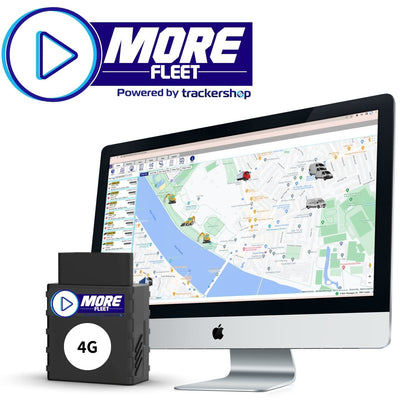
• Real-time tracking: live positions for every vehicle on one dashboard.
• Route optimisation and history: plan efficient journeys and review completed routes.
• Geofencing: confirm arrivals and departures at job sites automatically.
• Driver behaviour reporting: monitor speeding, harsh braking and idling to improve safety and cut costs.
• Timesheet and mileage logging: accurate records for payroll, billing and compliance.
• Alerts: instant notifications for unauthorised movement or out-of-hours use.
Managing a growing installation fleet
As demand for full-fibre broadband and upgraded telecoms infrastructure grows, installation fleets are expanding fast. A tracking system that scales easily lets you add vehicles without losing oversight, and consolidates data from a mixed fleet of vans and utility vehicles into one place.
The most useful platforms combine live tracking with reporting that helps you spot inefficiencies, such as consistently late jobs, excessive idling or underused vehicles. Turning that data into action is where the real savings come from.
Choosing the right fleet tracking partner
Look for a provider with proven experience in field-service and mobile-workforce applications, dependable hardware and a platform that is easy for dispatchers and managers to use every day. Responsive support, clear reporting and straightforward scalability all matter when tracking is central to your daily operations.
It is also worth checking subscription costs, network coverage and how well the system integrates with your existing scheduling or job-management tools. Investing in quality Fleet Tracking
is one of the smartest moves a cable, internet or telecom installation business can make, paying for itself through lower costs, higher productivity and a sharper, more reliable service.
Frequently asked questions
How does fleet tracking improve first-time fix rates?
By assigning the nearest available engineer and providing accurate scheduling, tracking reduces delays and helps ensure the right person reaches each job on time and prepared.
Can fleet tracking help reduce fuel costs?
Yes. Route optimisation, reduced idling and less unnecessary mileage typically deliver noticeable fuel savings across a busy installation fleet.
Will tracking help protect tools and stock in vans?
Absolutely. Movement alerts and real-time location data deter theft and give you the information to recover a stolen vehicle and its contents quickly.