Key Takeaways: Fleet Management for Water and Utilities Field Service Teams
• Faster Response Times: Live vehicle tracking and route optimisation help engineers reach leaks, outages, and emergencies sooner, protecting service levels and public safety.
• Effortless Compliance: Telematics automates compliance monitoring, from digital walkaround checks to maintenance scheduling, protecting your operator licence and regulatory standing.
• Smarter Job Scheduling: Real-time location data lets you assign the nearest available engineer to every job, cutting travel time and boosting first-time fix rates.
• Stronger Lone Worker Safety: Movement alerts, geofencing, and panic button integration safeguard engineers working alone at remote sites and in confined spaces.
• Lower Running Costs: Tackling idling, harsh driving, and inefficient routing cuts fuel and maintenance spend across your entire field service fleet.
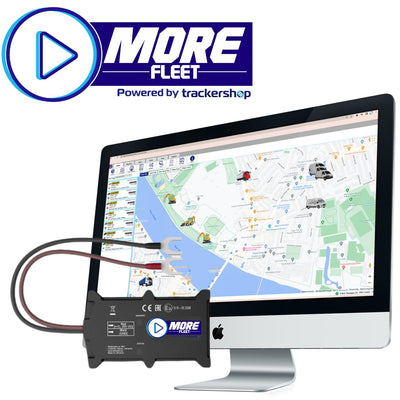
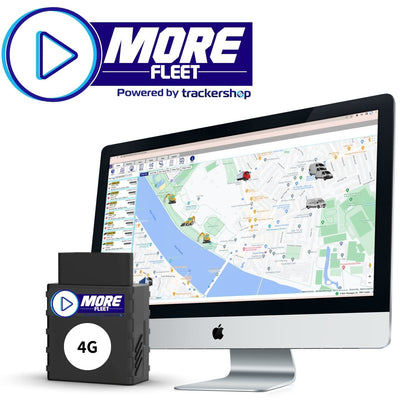
Effective fleet management for water and utilities field service teams improves response times, compliance, job scheduling, driver safety, and cost control by placing reliable fleet tracking and telematics data at the heart of every decision. Whether you manage engineers repairing water mains, restoring power, or servicing the gas network, the pressures are constant: reach faults quickly, prove compliance at every turn, keep lone workers safe, and do it all within a tight budget. Manual logs and radio check-ins simply cannot keep pace. To gain complete visibility across your vehicles, engineers, and jobs, the Fleet Tracking platform from MoreFleet gives field service managers a single, dependable source of truth.
Why Water and Utilities Fleets Are Different
Managing a utilities field service fleet is nothing like running a standard delivery operation. Your engineers respond to burst mains, supply interruptions, and safety-critical faults that cannot wait. A slow response is never a minor inconvenience; it can mean flooded streets, homes without water, or a regulatory breach.
The stakes raise the bar for everything. Engineers travel across sprawling regional networks, often to remote or hazardous sites. Vehicles carry specialist equipment, and jobs range from planned maintenance to genuine emergencies that reshape the day in an instant.
Add the weight of Ofwat and industry regulation, strict health and safety duties, and demanding service level agreements, and the margin for error shrinks. This is precisely why data-driven oversight has become essential. You cannot manage what you cannot see.
Improving Response Times with Route Optimisation
When a main bursts or a supply fails, every minute counts. Route optimisation directly attacks delays by planning the fastest, smartest journeys for your engineers.
A strong telematics platform factors in live traffic, avoids known bottlenecks, and guides engineers along the quickest viable route to a fault. For a control room juggling emergencies alongside planned work, that means quicker resolution and fewer breached SLAs.
Real-Time Visibility for Control Rooms
Live vehicle tracking lets your control room see exactly where every engineer sits at any moment. When an urgent job lands, dispatchers can instantly identify and send the nearest available team rather than guessing.
This transparency also supports honest communication with customers and regulators. Accurate arrival estimates replace vague promises, which builds trust across the whole service.
Mini takeaway: Route optimisation and live tracking turn a reactive scramble into a controlled, measurable response.
Smarter Job Scheduling and Field Service Management
Poor scheduling wastes the two things utilities fleets can least afford to lose: engineer hours and vehicle miles. Fleet tracking transforms how you allocate work across the day.
By combining live location data with job details, you can match the right engineer, with the right skills and equipment, to the right job. This lifts first-time fix rates and reduces the costly return visits that frustrate customers.
Effective field service management relies on this constant feedback loop:
• Assign the nearest qualified engineer to each new job
• Reroute teams instantly when an emergency reshuffles priorities
• Confirm arrivals and completions with time-stamped accuracy
• Balance planned maintenance against reactive callouts
To turn this insight into smoother scheduling and stronger operational efficiency, explore the Fleet Tracking tools from MoreFleet, which bring routing, location, and job data into a single clear dashboard.
Protecting Lone Worker Safety
Lone worker safety sits at the centre of utilities field service. Engineers routinely work alone at isolated pumping stations, in confined spaces, and beside busy roads, often far from immediate help.
Fleet tracking underpins a credible safety strategy for these vulnerable staff. Real-time location data means you always know where your people are. Geofence and movement alerts flag when a vehicle stops unexpectedly or strays from its planned route, prompting an immediate welfare check.
Panic Buttons and Automated Check-Ins
Many telematics platforms support panic button or SOS integration. If an engineer faces danger, a single press sends an instant distress signal to the control room, complete with exact GPS coordinates.
Automated check-ins add a further layer of protection. If a worker fails to confirm they are safe, or a vehicle behaves unexpectedly at a remote site, managers are prompted to act at once. For staff working nights or in hazardous conditions, that constant oversight genuinely matters.
Strengthening Compliance Monitoring
Water and utilities operators face intense regulatory scrutiny. Compliance monitoring through telematics turns a heavy administrative burden into an automated, audit-ready process.
A robust fleet tracking system should support:
• Digital daily walkaround checks with instant defect reporting
• Automated MOT and service reminders based on real mileage
• Driver licence and DVLA verification
• Tachograph and Working Time Directive monitoring where relevant
• Time-stamped journey records for incident review
When a regulator requests evidence or an incident needs investigating, you can produce accurate records in minutes rather than days. That speed protects your standing, your contracts, and your reputation.
This evidence trail also reinforces your duty of care. Should an incident ever be scrutinised, time-stamped data proves your business took its safety and compliance obligations seriously.
Controlling Costs Across the Fleet
Budgets in the water and utilities sector are under constant pressure. Telematics turns vague spending into clear, actionable data.
Cutting Fuel Waste
Idling is a common and avoidable drain. Vehicles left running at job sites, depots, and remote stations burn fuel for no benefit. Telematics pinpoints where and when idling happens, giving you something concrete to address.
Combined with route optimisation, idling reduction can meaningfully lower your fuel bill without ever compromising response times.
Driver Behaviour and Safer Driving
Driver behaviour monitoring captures harsh braking, rapid acceleration, sharp cornering, and speeding. These habits burn more fuel, wear out tyres and brakes faster, and raise accident risk.
Scorecards highlight which drivers need coaching and which set the standard. Smoother driving cuts costs across fuel and maintenance while lowering the chance of an incident that takes a vehicle and engineer off the road.
Smarter Maintenance Scheduling
Unexpected breakdowns are expensive and disruptive, and a stranded vehicle means a missed job. Usage-based maintenance scheduling, driven by real mileage and engine hours, ensures each vehicle is serviced at exactly the right time.
Proactive maintenance catches wear before it becomes failure. It extends asset life, reduces downtime, and keeps your fleet roadworthy and ready to respond.
Common Mistakes to Avoid
Even with the right technology, a few errors hold utilities fleets back. Here is what to watch for.
• Collecting data but never acting on it. Reports only save money and improve safety when they drive coaching, scheduling, and route changes.
• Treating compliance as a one-off task. Regulations, routes, and contracts evolve, so reviews must be ongoing.
• Ignoring engineer engagement. Introducing tracking without explaining its purpose breeds resistance. Lead with lone worker safety and staff protection.
• Overlooking equipment data. Failing to track which vehicles carry which kit leads to the wrong van arriving for the wrong job.
Building a Smarter Field Service Strategy
The strongest operators treat telematics as an everyday decision-making tool, not a passive record. Start by assessing your current compliance gaps, then configure your system around the data you genuinely need.
Next, identify your largest cost areas, usually fuel, maintenance, and wasted travel, and ask whether better data could reduce each one. Tackle the biggest leak first for a quick win, then layer in further improvements.
Finally, build in regular reporting so insights reach the people who can act on them. Consistency is what separates a well-run service from a reactive one. Monthly performance reviews keep your data working hard and surface new inefficiencies before they grow.
Conclusion
Fleet management for water and utilities field service teams succeeds when reliable data sits behind every decision. Strong fleet tracking improves response times, automates compliance monitoring, sharpens job scheduling, protects lone workers, and controls costs, all while keeping your engineers safe and your service responsive.
The operators who get this right are those that act on their data consistently, not just to report on what happened, but to shape what happens next. Whether you maintain the water network, the power grid, or the gas supply, the approach is the same: gather the right data, review it regularly, and build accountability into every journey.
Ready to deliver a faster, safer, and more cost-effective service? Discover how the Fleet Tracking solutions from MoreFleet can help you protect engineers, improve operational efficiency, and keep your entire field service fleet moving.