Key Takeaways How Do I Keep Lone Engineers Safe on Dark Winter Evening Jobs?
• Keeping lone engineers safe on dark winter evenings starts with a lone working risk assessment that covers darkness, weather, location and the type of job.
• Live fleet tracking lets managers see where engineers are in real time, spot overdue jobs and respond quickly if something goes wrong.
• Clear check-in and check-out routines, with an escalation plan when someone fails to respond, make sure no engineer goes unaccounted for.
• SOS buttons, lone worker devices and out-of-hours alerts give engineers a fast way to call for help.
• Practical measures such as good lighting, winter vehicle kit, sensible scheduling and the right to refuse unsafe jobs complete a strong safety plan.
You keep lone engineers safe on dark winter evening jobs by combining a proper risk assessment, a reliable check-in routine and technology that shows where your team is at all times. Fleet tracking gives managers a live view of every engineer’s vehicle, so they know when someone has arrived on site, how long they have been there and whether they have left safely. Add an emergency alert option, clear escalation steps if an engineer does not check in, and practical winter precautions such as head torches, hi-vis clothing and well-equipped vehicles, and you create a safety net that protects engineers from the moment they leave to the moment they get home.
Why Winter Evenings Increase the Risk for Lone Engineers
Lone working is part of everyday life for many engineers, from heating and boiler engineers to electricians, telecoms technicians and maintenance teams. In winter, early sunsets mean a large share of afternoon and evening jobs take place in darkness.
That brings added risks:
Poor visibility on unfamiliar properties, poorly lit car parks, rural lanes and industrial sites.
Slips, trips and falls on icy paths, wet steps and uneven ground that is harder to see.
Personal safety concerns when working alone in empty buildings or isolated locations after dark.
Hazardous driving conditions caused by ice, fog, rain and reduced daylight.
Vehicle breakdowns in cold weather, leaving engineers stranded in remote areas.
Fatigue at the end of a long working day, which affects concentration both on site and behind the wheel.
Employers in the UK have a legal duty to assess and manage risks to lone workers, and these winter factors should be part of that assessment.
Start With a Lone Working Risk Assessment
Every safety plan begins with understanding the risks. A lone working risk assessment should consider:
The job itself. Is the work suitable for one person, or does it involve heights, confined spaces, live electrics or heavy lifting that should never be done alone?
The location. Is the site isolated, poorly lit, unoccupied or known for security problems?
The time of day. Will the engineer arrive or finish after dark, and how does that change the risks?
The customer. Are there any known concerns about the property or the people present?
The individual. Does the engineer have any training needs, experience gaps or circumstances that increase their risk?
Review the assessment as the seasons change. A job that is low risk on a summer afternoon may need extra controls on a December evening.
Use Fleet Tracking to Know Where Engineers Are
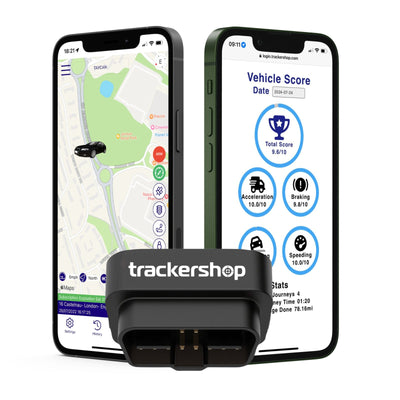
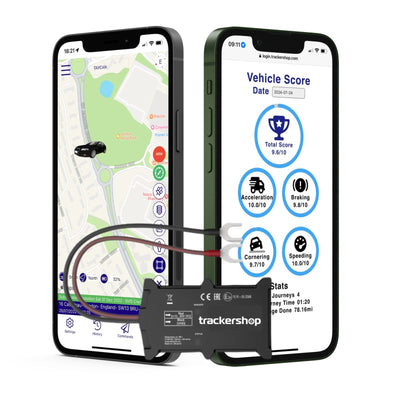
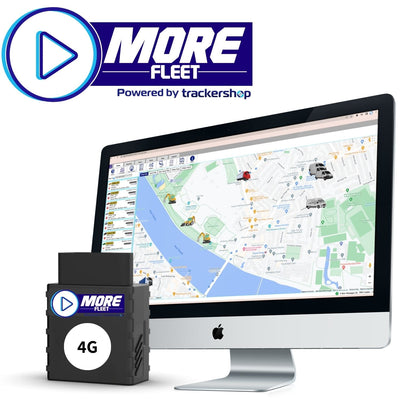
When an engineer is working alone, the most important thing is that someone knows where they are. A fleet tracking system provides that visibility without relying on phone calls or guesswork.
Live location
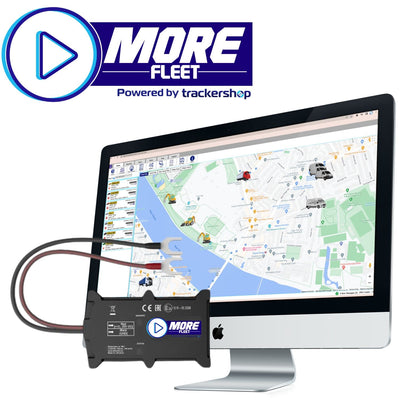
Managers can see each engineer’s vehicle on a map in real time. If an engineer stops responding, their last known location is immediately available.
Arrival and departure times
Tracking records when a vehicle arrives at a job and when it leaves. This makes it easy to spot an engineer who has been on site much longer than expected.
Geofences around job sites
Virtual boundaries around customer sites or high-risk locations can trigger alerts when a vehicle enters or leaves, helping managers keep track of evening jobs without watching the screen constantly.
Out-of-hours alerts
Alerts can flag vehicles moving or still on site outside expected hours, prompting a welfare check.
Panic and SOS features
Some tracking devices and lone worker solutions include an SOS button that sends an immediate alert with the engineer’s location to a manager or monitoring team.
Journey history
If an incident does occur, the stored journey data shows exactly where the vehicle travelled and stopped, helping managers and emergency services understand what happened.
It is worth remembering that vehicle tracking shows where the van is, not always where the engineer is. When an engineer walks away from the vehicle into a large building or remote site, a personal lone worker device or app adds an extra layer of protection.
Set Up a Check-In and Check-Out Routine
Technology works best alongside a simple, consistent process.
Check in on arrival. Engineers confirm when they arrive at each evening job.
Agree an expected finish time. The manager or office knows roughly how long the job should take.
Check out on leaving. Engineers confirm they have left the site safely.
Confirm the end of the shift. A final message when the engineer finishes for the day or arrives home closes the loop.
Have a clear escalation plan. If an engineer misses a check-in, there should be a defined sequence: call the engineer, check their tracking location, contact the customer, then escalate to emergency services if needed. Everyone should know who is responsible at each step, including outside office hours.
Tracking data makes these routines easier to manage, because managers can see arrivals and departures for themselves and only need to chase when something looks wrong.
Practical Winter Safety Measures
Alongside monitoring, good preparation reduces risk on every dark evening job.
Lighting. Provide head torches and work lights so engineers have both hands free and a clear view of their surroundings.
Hi-vis clothing. Make sure engineers are visible when working near roads, car parks or loading areas.
Winter footwear. Boots with good grip reduce the risk of slips on ice and wet surfaces.
Vehicle winter kit. Stock vans with a blanket, warm clothing, water, snacks, a phone charger, a shovel, de-icer and a first aid kit in case of breakdown or delays.
Fully charged phones. Engineers should start every shift with a full battery and carry a power bank.
Safe parking. Encourage engineers to park in well-lit areas, as close to the job as possible, facing the exit for a quick departure.
Vehicle security. Locking the van while on site protects both tools and the engineer’s safe route home.
Schedule Jobs With Darkness in Mind
How you plan work can remove risk before it arises.
Book higher-risk jobs in daylight wherever possible, especially isolated sites or unfamiliar properties.
Send two engineers for jobs that the risk assessment shows are unsuitable for one person after dark.
Avoid overloading schedules, which can push engineers into rushing or driving tired late in the evening.
Allow extra travel time for winter road conditions.
Use tracking data to plan routes, so engineers spend less time driving in darkness and poor weather.
Give Engineers the Right to Walk Away
No job is worth an engineer’s safety. Make it clear that engineers can leave any site where they feel unsafe, whether that is because of the people present, the condition of the property or the environment, without fear of criticism. Encourage them to report concerns so the risk can be assessed before anyone returns.
Respect Privacy While Protecting Engineers
Tracking engineers involves personal data, so be open about how it is used. A clear written policy should explain what is recorded, why, who can see it and how long it is kept. Engineers should be told before tracking begins, and privacy settings can be used where personal use of vehicles is allowed outside working hours.
When tracking is presented as a safety tool that protects engineers on dark evenings, rather than a way of watching them, it is far more likely to be welcomed.
Frequently Asked Questions
Are employers responsible for lone worker safety?
Yes. UK employers have a legal duty to assess the risks faced by lone workers and put sensible measures in place to control them.
Can fleet tracking protect lone engineers?
Fleet tracking shows where engineers’ vehicles are in real time, records arrival and departure times and can trigger alerts, helping managers notice problems quickly and send help to the right location.
What should happen if a lone engineer misses a check-in?
Follow a set escalation plan: try to contact the engineer, check their tracking location, contact the customer and escalate to emergency services if you cannot confirm they are safe.
Does vehicle tracking show where the engineer is?
Vehicle tracking shows where the vehicle is. If an engineer is working away from the van, a personal lone worker device or app can provide their individual location and an SOS option.
Which jobs should not be done alone after dark?
Your risk assessment should decide this, but jobs involving heights, confined spaces, live electrical work, isolated sites or known security concerns often need a second person or a daytime appointment.
What should be in a winter vehicle kit?
A useful kit includes a blanket, warm clothing, water, snacks, a phone charger or power bank, a torch, de-icer, a shovel and a first aid kit.
Make Every Engineer’s Journey Home a Safe One
Dark winter evenings bring real risks for lone engineers, but those risks can be managed. A thorough risk assessment, clear check-in routines, sensible scheduling and the right equipment create a strong foundation. Adding live tracking means you always know where your team is and can act quickly the moment something goes wrong.
If your engineers work alone through the winter months, give them the protection they deserve. Explore our fleet tracking solutions to keep every engineer visible, supported and safe, whatever time the job finishes.