Key Takeaway Do Thieves Check for Trackers Before Stealing a Car in Winter?
• Yes. Professional car thieves often check for trackers, usually after the theft rather than before it, by leaving the car parked nearby for a few days to see if anyone comes for it.
• This “cooling-off” tactic is used all year round, but long winter nights give thieves more darkness to move, hide and search vehicles unseen.
• Thieves may also use scanners to look for tracker signals, check obvious fitting spots such as the OBD port, or use jammers, which are now illegal to possess under the Crime and Policing Act 2026.
• Opportunistic winter thieves, such as frost jackers, rarely check for trackers at all.
• A well-hidden, professionally fitted tracker that alerts you quickly gives you the best chance of recovering your car during the cooling-off window.
Yes, many thieves do check for trackers, but most do it after stealing a car rather than before. Organised gangs commonly park a stolen vehicle in a quiet residential street or car park for a few days and watch to see whether the police or owner turn up. If nobody comes, they assume there is no working tracker and move the car on to be broken for parts, given a false identity or shipped abroad. Winter does not change this tactic, but longer nights make it easier for thieves to move cars and search them unnoticed. That is why where and how your tracker is fitted matters. Whether you choose hardwired car trackers or compact GPS trackers, the aim is the same: to be found before your car disappears for good.
What Is the “Cooling-Off” Period?
After a theft, criminals often drive the car a short distance and leave it parked somewhere unremarkable, such as a residential street, supermarket car park or industrial estate. Police and vehicle recovery specialists call this the cooling-off period, and it typically lasts from a couple of days up to several days.
The logic is simple. If the car has a live tracker, the police or owner will usually come for it during this window. If the car is still sitting there days later, the thieves treat that as a sign it is safe to collect.
For you, this period is the best opportunity to get your car back. A tracker that alerts you as soon as the car moves, and shows its location clearly, can make all the difference.
How Thieves Look for Trackers
Not every thief checks for trackers, but organised gangs often use one or more of these methods:
Watching and waiting. The cooling-off period is the most common and cheapest way to test for a tracker.
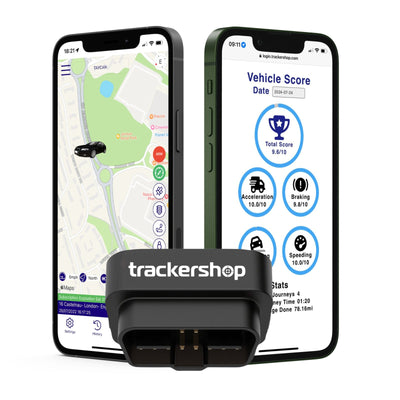
Checking the obvious places. Plug-in trackers in the OBD port, devices under seats, in the glovebox or boot, and magnetic units under bumpers are the first places a thief will look.
Scanning for signals. Some criminals use detectors that pick up the radio and mobile signals trackers send when they report their location.
Jamming signals. Jammers attempt to block GPS and mobile signals so the tracker cannot report. Since the Crime and Policing Act 2026, possessing these devices without a legitimate reason is a criminal offence, although organised gangs may still use them.
Does Winter Make a Difference?
The checking methods stay the same in winter, but the conditions favour thieves in a few ways:
• Longer darkness gives more time to steal, move and search a car without being seen.
• Quieter streets on cold, dark evenings mean fewer people notice a car being moved or searched.
• Frost jacking rises on icy mornings, when drivers leave cars running to defrost. These thefts tend to be opportunistic, so the thief is unlikely to check for a tracker first, which makes a hidden tracker even more valuable.
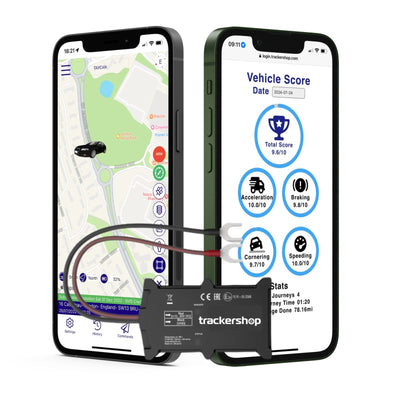
With winter giving thieves more cover, fitting a discreet tracker is one of the simplest ways to protect your vehicle. Browse our car trackers for hardwired options, or see our range of portable GPS trackers that can be hidden in less obvious places.
How to Make Your Tracker Harder to Find
Choose a professional installation
Hardwired trackers fitted by a professional installer can be hidden deep within the vehicle, away from the spots thieves check first. A plug-in OBD tracker is convenient, but it is also one of the first things a thief will look for.
Avoid obvious hiding places
If you use a portable tracker, avoid the glovebox, under the seats, the boot well and the OBD port. Think about places that would take time and tools to reach.
Consider a second tracker
Some owners fit two devices: a main hardwired tracker and a hidden portable unit as backup. If a thief finds one, the other may still report.
Look for smart features
Trackers with movement alerts, tamper or power-loss alerts, and a backup battery help you react quickly. Some devices only report periodically, which can make them harder to detect with a scanner.
Act fast during the cooling-off period
If your car is stolen, report it to the police straight away and share the tracker’s location with them. The sooner police know where the car is, the better the chance of recovering it before the thieves return.
Pair Your Tracker With Other Security
A tracker helps you get your car back, but layered security helps stop the theft in the first place:
• Keep keyless fobs in a signal-blocking pouch
• Never leave your car running unattended on frosty mornings
• Use a visible steering wheel or pedal lock
• Fit an immobiliser that needs a PIN code before the car can be driven
• Park in well-lit areas or a locked garage where possible
Frequently Asked Questions
Do car thieves check for trackers?
Organised thieves often do, usually by leaving a stolen car parked for a few days to see if anyone comes to recover it. Some also search common fitting spots or use signal scanners.
How long do thieves leave a stolen car to cool off?
It varies, but stolen cars are often left for a couple of days up to several days before thieves return to collect them.
Can thieves detect a GPS tracker?
Some thieves use scanners to pick up tracker signals, and they will check obvious places such as the OBD port. A professionally hidden tracker is much harder to find.
Are GPS jammers illegal in the UK?
Under the Crime and Policing Act 2026, it is a criminal offence to possess, make, import, adapt or supply electronic devices used to steal vehicles, including signal jammers, without a legitimate reason.
Is a tracker still worth it if thieves check for them?
Yes. Many thieves do not check, and those who do can miss a well-hidden device. A tracker that alerts you quickly gives you the best chance of recovering your car during the cooling-off period.
The Bottom Line
Thieves do check for trackers, but usually by waiting rather than searching, and winter’s long nights give them more cover to do it. The answer is not to skip a tracker, but to fit one that is well hidden, alerts you quickly and is backed up by other security. Explore our full range of car trackers or find a discreet option among our GPS trackers to protect your car this winter.