It's 7am, it's dark and the windscreen is white with frost. You start the engine, pop back inside for a coffee and come out to an empty drive.
Winter changes how we use our vehicles, and that changes the risks. Police in England and Wales recorded 312,231 vehicle offences in the year to June 2026 (ONS, 2026), and around 119,000 vehicles were stolen in 2025 (Home Office data via Insurance Business, 2026).
These winter vehicle security tips cover the habits that matter most when the clocks go back, plus the products that add real protection. Tip 5 is the one most tracker owners forget until something goes wrong.
Let's start with the cold-morning habit that catches out thousands of drivers.
1. Never leave your car running to defrost
Stay with your vehicle whenever the engine is running, even for a minute. A car left running and unattended on a frosty morning is one of the easiest thefts there is, because the thief doesn't need to beat any security at all.
It's more common than you'd think. One in four UK drivers admits leaving their car running unattended while de-icing the windscreen, and Aviva warns most policies wouldn't cover a car stolen that way (Aviva and Censuswide poll of 1,520 drivers, 2024).

Scrape while the engine warms up, and stay with the car until it's clear.
The safer routine: start the engine, then scrape the windows yourself with the de-icer and scraper while you wait. It takes a few extra minutes and keeps you insured.
2. Keep keys away from doors and windows on long nights
Store your keys well inside your home and put keyless fobs in a signal-blocking pouch or tin overnight. Longer, darker evenings give thieves more cover to try a relay attack, where one device picks up your fob's signal through the front door and passes it to a second device next to the car.

The car then thinks the key is nearby, unlocks and starts, often with almost no noise. Police-backed Secured by Design recommends exactly these two steps.
Quick test: put your fob in the pouch, stand next to the car and try the door. If it opens, the pouch isn't blocking the signal and it's time to replace it.
Remember the spare key too. It needs a pouch just as much as the one you use every day.
3. Park in well-lit spots as the nights draw in
Park on a driveway, in a locked garage or on a busy, well-lit street wherever you can. In winter you'll often park up and set off in the dark, so a spot that felt safe in summer may be pitch black at 5pm.

On a driveway, park nose-in towards the house or a wall to make the car harder to tow or load. A motion-activated light or doorbell camera covering the drive gives a thief another reason to move on.
4. Use a visible steering wheel lock
A good-quality steering wheel or pedal lock is a cheap, visible deterrent that adds time and noise to any theft attempt. Someone looking for a quick job in the dark will usually pick an easier car.
It won't stop a determined, equipped gang on its own, so treat it as one layer alongside the electronic measures below.
5. Check your tracker and battery before the cold sets in
If you already have a tracker, check now that your subscription is active and the app alerts are switched on. Monitoring, alerts and app tracking all need an active subscription, and a lapsed one is easy to miss until you need it.
Cold weather is also hard on vehicle batteries. If your car sits for weeks over winter, a trickle charger or a 15 to 30 minute run every month keeps the battery healthy for both the car and its security.
Did you know? Many owners change phones over the winter sales. If your number changes, tell your tracker provider so alerts reach the right phone.
6. Add an immobiliser that needs your own code
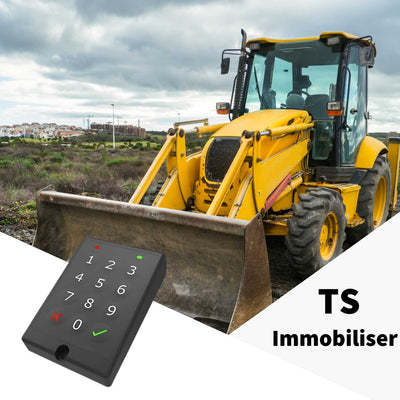
An aftermarket immobiliser stops the engine starting until you enter a personal sequence using buttons already in the car, such as the window switches or steering wheel controls. If a thief has cloned or relayed your key, the car still won't drive away without that sequence.
Factory immobilisers are built to recognise your key, and many modern thefts work by fooling or replacing that key. Immobilisers such as the Ghost range work through the vehicle's own data network, so there's no visible box or fob for a thief to find.
7. Keep presents and valuables out of sight
Lock shopping, presents and bags in the boot before you arrive, not in the car park where someone can watch you. A visible bag on the back seat gives a thief a reason to break a window, and in December that bag is more likely to be worth it.

Take sat navs, phones and charging cables with you, and never keep the V5C logbook or a spare key in the car.
8. Get your dash cam ready for dark, icy roads
Winter driving means more journeys in the dark and more chance of a bump on icy roads. A dash cam gives you a record of what happened, and a visible camera can put off an opportunist on the drive.

Before winter, format the memory card, clean the lens and check the parking mode settings if your camera has them. Parking mode usually needs a hardwire kit so it can draw power safely when the engine is off. Browse dash cams.
Fit a monitored tracker for peace of mind
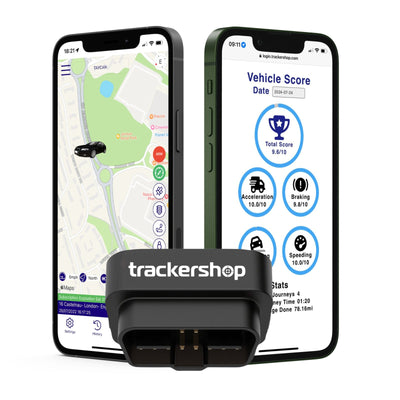
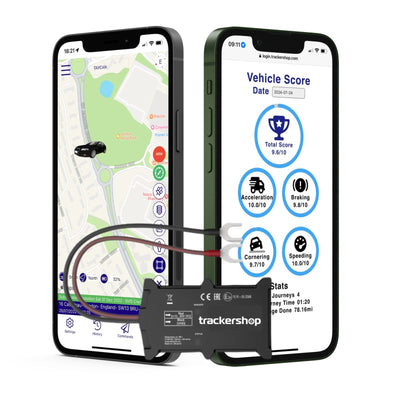
If you don't have a tracker yet, a monitored GPS tracker lets you see where your vehicle is from your phone, and the monitoring centre can work with the police using its live location if it's stolen. It doesn't stop the theft, but it gives you the best chance of getting the vehicle back.
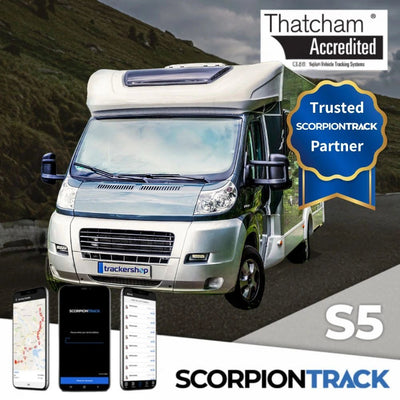
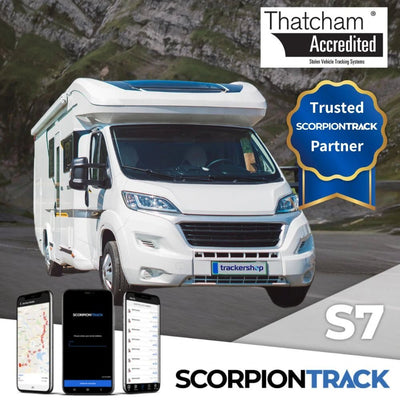
Some insurers ask for a specific Thatcham category on higher-value vehicles. The ScorpionTrack S5 includes Driver Recognition, which alerts the monitoring centre if the vehicle moves without your tag present. Compare options in our car tracker range.
Layered winter security: why two or three measures beat one
The most effective approach combines measures that do different jobs, so a thief who gets past one still faces the next.
| Layer | What it does | Winter example |
|---|---|---|
| Habits | Makes your vehicle a less attractive target | Stay with the car while it defrosts, keys in a pouch |
| Deter | Adds time and visible effort | Steering wheel lock |
| Prevent | Stops the vehicle being driven away | Button-sequence immobiliser |
| Locate | Helps find the vehicle after a theft | Monitored GPS tracker, subscription checked |
| Record | Captures footage of what happened | Dash cam with parking mode |
You don't need every layer. For most drivers, good winter habits plus an immobiliser or a tracker (or both, for higher-value vehicles) covers the main risks.
FAQs
Is it illegal to leave your car running to defrost?
Leaving your engine running while the car is unattended on a public road can break the rules on stationary idling and leaving a vehicle unattended. On a private driveway the bigger risk is insurance: most policies won't pay out if the car is stolen with the engine running.
How do I protect a keyless car in winter?
Keep every key, including the spare, in a signal-blocking pouch well away from doors and windows. Then add a layer that doesn't rely on the key, such as a button-sequence immobiliser or a steering wheel lock.
Do car trackers reduce insurance premiums?
Some insurers offer a discount for an approved tracker, and some require one on higher-value vehicles. It depends on your insurer, your vehicle and the tracker's Thatcham category, so ask your insurer before you buy.
Does cold weather affect my tracker?
Cold weather mainly affects your vehicle's battery, which powers the tracker. Keep the battery healthy with regular drives or a trickle charger, and check your app alerts and subscription are active before winter.
Your winter security checklist
Tonight, do the free things: keys and spare in a pouch away from the door, valuables out of the car, and a promise to yourself to stay with the car while it defrosts. Then pick one product that fills your biggest gap: an immobiliser if you worry about the car being driven away, a monitored tracker if you want the best chance of getting it back.
New: fit it yourself
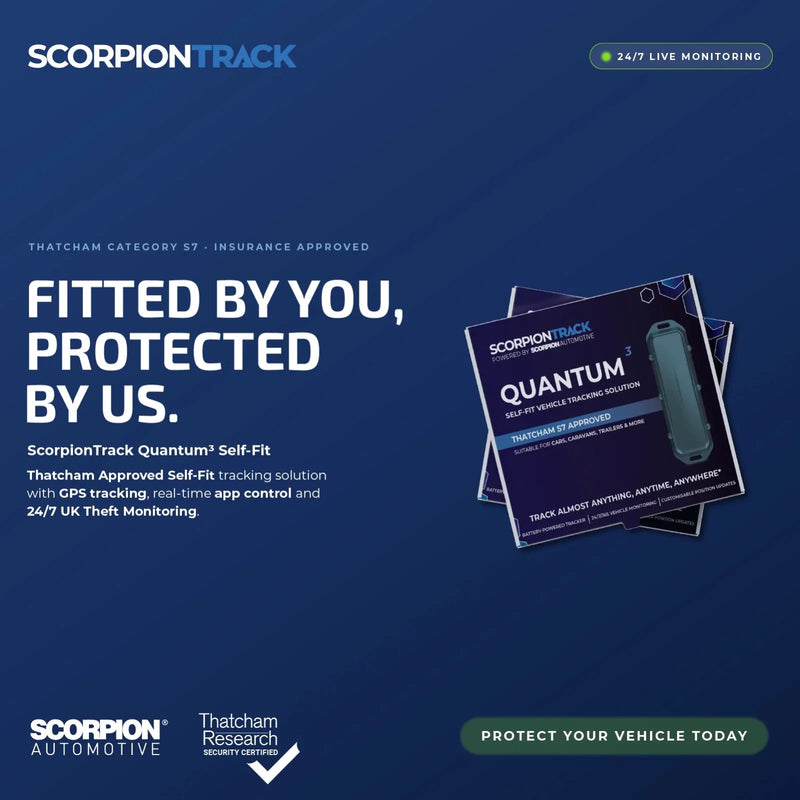
Quantum3 Self-Fit: Thatcham S7 security, no installer needed
There's no wiring and no fitting appointment to book. Quantum3 Self-Fit runs on its own batteries, so you can fit it yourself and arm it from your phone whenever the vehicle is parked up for the night.
- Thatcham Category S7 approved*
- Battery powered with up to 3 years before you swap the batteries yourself*
- IP68 waterproof and dustproof, ready for winter weather
- Arm it in the ScorpionTrack app, and if it moves while armed, our monitoring team calls you
*Must be fitted exactly as set out in the Quantum3 Self-Fit instruction guide, with a valid subscription, to keep Thatcham S7 approval. Battery life depends on use.
Not sure what fits your vehicle? Our UK team is open 7 days a week and will tell you honestly what fits your vehicle and your insurance.