Key Takeaways of The Differences Between GPS Tracking & Telematics
• Scope of Data: GPS tracking primarily provides location and time data, whereas telematics offers deep insights into vehicle health, fuel usage, and driver behaviour.
• Technology: Telematics integrates GPS technology with onboard diagnostics and telecommunications to send comprehensive data to a central system.
• Use Cases: Simple GPS is often sufficient for basic navigation, while telematics is essential for complex fleet management and cost reduction.
• Two-Way Communication: Telematics systems facilitate two-way communication between the office and the driver, enabling dynamic routing and job dispatch.
• Business Impact: Adopting full telematics leads to greater operational efficiency, improved safety, and lower insurance premiums compared to basic tracking.
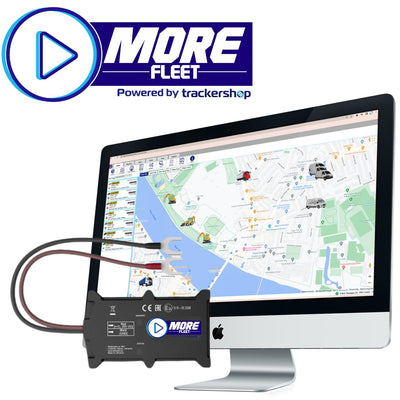
The fundamental difference between GPS tracking and telematics lies in the depth of data they provide. While GPS tracking answers the question "where is my vehicle?", telematics answers "how is my vehicle being driven and is it healthy?". GPS focuses strictly on geographical location (latitude and longitude), whereas telematics is a broader system that encompasses GPS location data but combines it with vehicle diagnostics, driver behaviour metrics, and telecommunications to provide a complete picture of fleet operations. For businesses looking to move beyond simple dots on a map and gain actionable intelligence, upgrading to a comprehensive fleet tracking solution from MoreFleet is the logical next step.

Understanding GPS Tracking: The Foundation
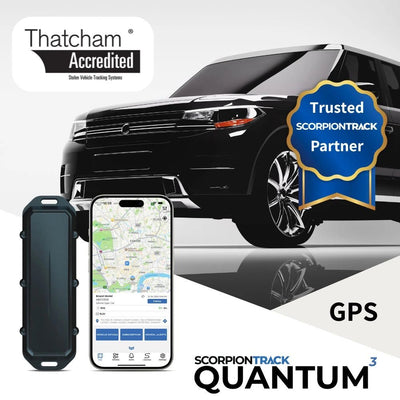
To understand the comparison, we must first look at the foundation. GPS (Global Positioning System) is a satellite-based navigation system. A GPS tracking device in a vehicle communicates with satellites to determine its precise location, speed, and direction.
Historically, this was the gold standard for logistics. Fleet managers could see where a truck was, estimate when it would arrive, and recover it if it was stolen.
What GPS Tracking Does Best
• Location Monitoring: Real-time visibility of assets on a digital map.
• Route History: A record of where a vehicle has travelled over a specific period.
• Speed Tracking: Basic monitoring of how fast a vehicle is moving relative to its position.
However, while knowing a vehicle's location is vital, it is often not enough to optimise a modern business. A GPS tracker won't tell you if the engine is overheating, if the driver is braking harshly, or how much fuel was consumed on the last trip. That is where telematics takes over.
Unpacking Telematics: The Bigger Picture
The term "telematics" is a blend of "telecommunications" and "informatics". It represents the technology of sending, receiving, and storing information using telecommunication devices in conjunction with the control of remote objects.
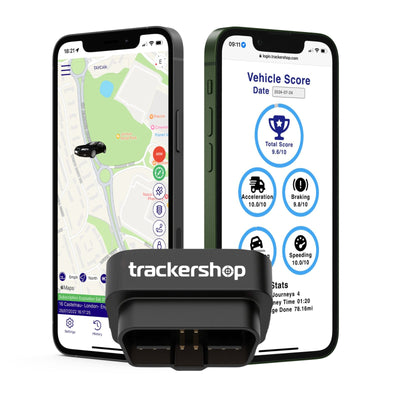
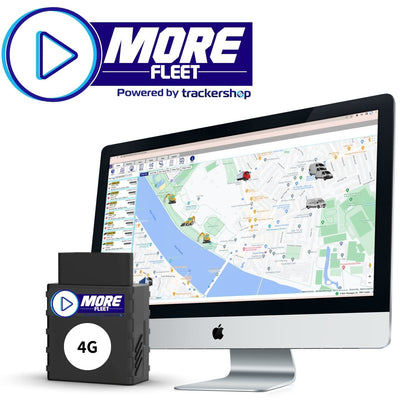
In a fleet context, a telematics device connects directly to the vehicle's On-Board Diagnostics (OBD) port or CAN bus system. This means it isn't just sitting in the vehicle; it is listening to the vehicle's computer. It captures the GPS data but enriches it with a vast array of mechanical and operational data points.
The Data Advantage
Telematics systems gather granular data that GPS alone cannot access:
• Fuel Consumption: Exact MPG figures and fuel levels.
• Engine Diagnostics: Fault codes, battery voltage, and coolant temperature.
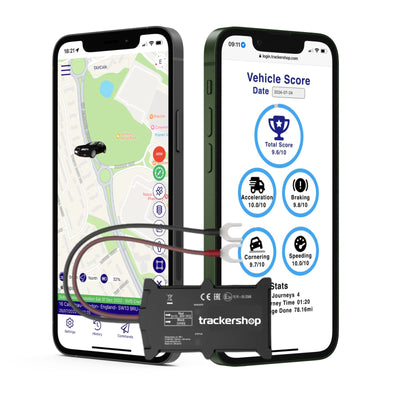
• Driver Behaviour: Harsh braking, rapid acceleration, and aggressive cornering.
• Idling Time: How long the engine runs while the vehicle is stationary.
This wealth of data transforms fleet management from a reactive task into a proactive strategy. By utilising advanced telematics and vehicle monitoring through platforms like MoreFleet, managers can identify inefficiencies that are invisible to standard GPS trackers.
Key Differences Breakdown
To help you decide which technology suits your needs, let’s break down the specific differences across three critical areas.
1. Data Richness and Diagnostics
As mentioned, GPS gives you the "where". Telematics gives you the "what" and "why". A standard GPS tracker cannot tell you that a vehicle has a check engine light on. A telematics unit will alert you immediately to the specific fault code. This allows you to schedule maintenance before a breakdown occurs, saving money on recovery costs and lost downtime.
2. Driver Safety and Behaviour
Basic GPS can tell you if a driver is speeding, but only based on distance over time. Telematics uses accelerometers to measure G-force. This means it detects if a driver slams on the brakes or takes a roundabout too quickly. These insights are crucial for building safety profiles, reducing accident risks, and lowering insurance premiums.
3. Two-Way Functionality
GPS tracking is typically a one-way street: the device sends location data to the user. Telematics facilitates a two-way exchange. Fleet managers can send new routes, job details, or messages directly to an in-cab display or tablet connected to the system. This dynamic capability is essential for service fleets that need to react to emergency call-outs or changing schedules.
Why Modern Fleets Are Choosing Telematics
In the past, telematics was seen as a complex tool reserved for massive haulage companies. Today, the technology is accessible to fleets of all sizes, from local plumbers with five vans to national delivery networks. The shift from simple GPS tracking to telematics is driven by the need for efficiency.
Reducing Operational Costs
The primary driver for adoption is cost reduction. By monitoring idling times and fuel usage, companies can cut their fuel bills by significant margins—often 10-15%. Predictive maintenance alerts prevent costly mechanical failures, extending the lifespan of the vehicle.
Improving Customer Service
Customers today expect transparency. With telematics, you don't just tell a customer "the driver is nearby". You can provide accurate ETAs based on real-time traffic and driver status. If a delay occurs, you know instantly and can proactively manage the customer's expectations.
Regulatory Compliance
For larger vehicles, compliance is non-negotiable. Telematics systems can automate digital tachograph downloads, ensuring that driving hour regulations are met without the administrative headache of manual checks. This level of integration is simply not possible with a standalone GPS tracker.
Conclusion
While the terms are often used interchangeably, the difference between GPS tracking and telematics is significant. GPS tracking is a component of telematics, but it is just one piece of the puzzle. GPS tells you where your assets are; telematics tells you how your business is performing.
If your goal is simply to recover a stolen vehicle, a GPS tracker may suffice. However, if your goal is to reduce fuel costs, improve driver safety, extend vehicle life, and streamline your operations, telematics is the essential tool for the job.
Ready to unlock the full potential of your fleet with data that goes beyond the map? Explore the comprehensive fleet tracking and telematics solutions from MoreFleet and start making smarter, data-driven decisions today.