Key Takeaways What Industries Use Fleet Management Systems?
• Logistics and Couriers: Delivery sectors rely heavily on tracking for route optimisation, reducing fuel costs, and meeting tight delivery windows.
• Construction and Engineering: Firms use these systems to secure heavy plant machinery, monitor engine hours, and manage mixed fleets effectively.
• Healthcare and Emergency: Blue-light services depend on real-time data to dispatch the nearest vehicles and ensure rapid response times.
• Utilities and Field Services: Maintenance companies boost efficiency by assigning urgent jobs to the closest available technicians based on live locations.
• Public Transport: Bus and coach networks maintain accurate timetables, monitor driver behaviour, and improve overall passenger safety.
When asking what industries use fleet management systems, the answer stretches far beyond standard delivery vans. Industries such as logistics, construction, public transport, utilities, and healthcare rely heavily on fleet management systems to optimise their daily operations and significantly reduce costs. Whether it is a hospital dispatching a critical ambulance, a builder securing a valuable excavator, or a plumber responding to an emergency leak, telematics technology provides the vital visibility needed to thrive. If you want to transform your own business operations and cut unnecessary overheads, exploring the comprehensive fleet management systems from MoreFleet is the perfect place to start.

Logistics, Freight, and Courier Services
The logistics and freight industry is perhaps the most obvious user of vehicle tracking technology. For companies moving goods across the country, profit margins are notoriously tight. Fuel consumption, vehicle wear and tear, and driver wages all eat into the bottom line.
Fleet managers in this sector use telematics to monitor exact vehicle locations and optimise routes. By avoiding heavy traffic and road closures, hauliers can significantly cut down their fuel usage. Furthermore, courier services rely on this data to provide customers with highly accurate estimated times of arrival (ETAs).
Knowing exactly where a lorry or van is at any given moment also prevents unauthorised vehicle use. Managers receive instant alerts if a vehicle deviates from its planned route or moves outside of working hours. This level of oversight guarantees that supply chains remain robust, secure, and highly efficient.
Construction and Heavy Plant Machinery
Construction companies face entirely different logistical challenges. Their assets are not just vans driving on motorways; they include excavators, cranes, dumpers, and generators scattered across multiple temporary building sites.
Managing these mixed assets requires a specialised approach to vehicle tracking. Construction firms use telematics to monitor equipment utilisation. Instead of renting additional machinery for a new project, a site manager can quickly identify idle equipment sitting on another site and redeploy it. This prevents unnecessary rental expenses and keeps projects moving forward.
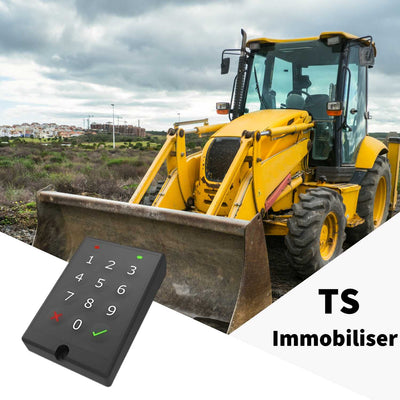
Security is another major factor for the construction sector. Plant machinery is highly valuable and frequently targeted by thieves. Fleet managers set up virtual boundaries, known as geofences, around their sites. If a piece of machinery leaves the designated area, the system triggers an immediate alarm, drastically improving the chances of recovering stolen assets.
Healthcare and Emergency Responders
For emergency services, operational efficiency is literally a matter of life and death. Ambulances, rapid response vehicles, and non-emergency patient transport services rely entirely on live location data to function properly.
When an emergency call comes in, dispatchers must identify the closest available vehicle instantly. Fleet management software allows them to see the exact location of every unit on a live map, factoring in current traffic conditions to assign the fastest route. This shaves crucial minutes off response times.
Furthermore, healthcare fleets use these systems to monitor driver safety. Driving at high speeds under blue-light conditions carries inherent risks. Telematics data helps training departments review journeys, ensuring that drivers maintain the highest safety standards even when rushing to an incident.
Utilities and Field Service Operations
Plumbers, electricians, broadband engineers, and gas technicians spend their entire working day on the road. For these field service operations, knowing the location of every technician is essential for delivering good customer service.
If a customer reports an emergency water leak or a power outage, the dispatch team needs to react quickly. Using live tracking data, they can locate the nearest engineer with the right skills and divert them to the urgent job. To see how your service business can benefit from these intelligent dispatching tools, discover the advanced vehicle tracking solutions at MoreFleet and take total control of your mobile workforce.
Beyond reactive dispatching, utility companies use this technology to manage regular maintenance schedules. By reviewing historical journey data, they can structure a technician's day to minimise driving time between routine appointments. This allows engineers to complete more jobs per shift, boosting overall revenue.
Public Transport and Passenger Services
Bus companies, coach operators, and taxi firms use fleet systems to keep their passengers safe and their schedules running on time. A reliable public transport network depends entirely on accurate timetables and predictable journey times.
Tracking software allows control rooms to monitor bus routes in real time. If a vehicle falls behind schedule due to traffic, operators can inform waiting passengers via digital bus stop displays or mobile apps. This transparency builds trust and greatly improves the passenger experience.
Driver behaviour monitoring is equally vital in this industry. Transport managers track harsh braking, rapid acceleration, and sharp cornering to ensure a smooth ride for passengers. Identifying and correcting erratic driving habits not only prevents accidents but also reduces fuel consumption and lowers expensive insurance premiums.
Waste Management and Environmental Services
Refuse collection is a highly complex logistical operation. Bin lorries must navigate narrow residential streets, adhere to strict collection schedules, and manage heavy loads safely.
Local authorities and private waste management firms use telematics to optimise these dense, multi-stop routes. The software ensures that drivers take the most efficient path, preventing them from driving down the same street twice. This cuts down fuel usage and reduces the carbon emissions produced by heavy diesel engines.
Additionally, managers can monitor Power Take-Off (PTO) events. This tells them exactly when and where the lifting mechanism was engaged. If a resident complains that their bin was missed, the company can check the data to confirm whether the lorry visited the street and operated its equipment at the specified time.
Agriculture and Farming
Modern farming is a highly technological industry. Agricultural businesses manage vast fleets of tractors, combine harvesters, and utility vehicles across hundreds of acres of private land.
Farmers use GPS tracking to monitor exactly which fields have been ploughed, seeded, or harvested. This prevents overlapping work and ensures that expensive fertilisers or pesticides are applied efficiently. By tracking the precise movements of their machinery, farmers can maximise their crop yields while minimising their chemical usage.
Fuel theft is also a significant concern in rural areas. Telematics devices alert farm managers to sudden drops in fuel levels or unauthorised vehicle movements during the night. This provides peace of mind and protects vital agricultural assets from rural crime networks.
Conclusion
The vast range of industry applications for vehicle tracking proves that this technology is no longer an optional luxury. It is an essential component for any modern business that operates vehicles or mobile machinery. From saving lives in the healthcare sector to cutting fuel bills in logistics, the benefits of monitoring your assets are undeniable.
Data is the key to identifying hidden inefficiencies, protecting your valuable equipment, and providing a superior service to your customers. If your business relies on vehicles, you cannot afford to leave their movements to guesswork.
Ready to boost your operational efficiency and cut your daily running costs? Upgrade your business today with the powerful fleet tracking technology from MoreFleet and join the diverse industries already reaping the rewards of smart fleet management.