Key Takeaways For Key Metrics Fleet Managers Should Track
• Vehicle Location: Real-time location data ensures accurate customer ETAs and rapid theft recovery.
• Fuel Consumption: Monitoring fuel usage and idling times highlights inefficiencies and drastically reduces operational costs.
• Driver Behaviour: Tracking driver performance improves road safety and helps negotiate lower insurance premiums.
• Maintenance Schedules: Logging diagnostic data and odometer readings prevents costly, unexpected vehicle breakdowns.
• Compliance Metrics: Automated tracking of safety checks and driving hours protects the business from severe legal penalties.
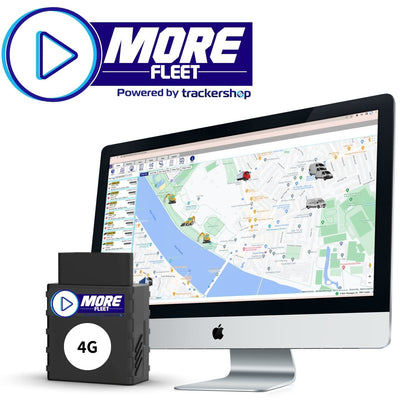
When determining what data should fleet managers track, the answer lies in focusing on metrics that directly impact efficiency, safety, and the bottom line. To optimise operations effectively, fleet managers must track core data points including real-time vehicle location, fuel consumption rates, driver behaviour, upcoming maintenance schedules, and essential compliance metrics. Gathering this information transforms a reactive operation into a proactive, highly efficient enterprise. For businesses looking to capture and utilise these insights seamlessly, implementing a comprehensive fleet data tracking system from MoreFleet is the ideal starting point to elevate your daily operations.

The Foundation of Fleet Optimisation
Managing a commercial fleet involves juggling multiple moving parts, both literally and figuratively. Relying on guesswork or outdated spreadsheets simply cannot keep up with the demands of modern logistics. You need hard data to make informed decisions.
However, the sheer volume of available data can feel overwhelming. The key is filtering out the noise and focusing on actionable intelligence. By tracking the right key performance indicators (KPIs), you can spot trends, correct poor practices, and reward excellent performance.
Let us break down the specific categories of data every fleet manager must monitor to build a safer, more profitable business.
1. Real-Time Vehicle Location and Routing
Knowing the exact location of your assets is the most fundamental aspect of fleet data tracking. This goes far beyond simply plotting a dot on a digital map.
Location data allows dispatchers to assign urgent jobs to the nearest available driver. This reduces unnecessary mileage and ensures faster response times for your clients. Furthermore, comparing planned routes against the actual routes taken helps managers identify persistent traffic bottlenecks or unauthorised detours.
Geofencing is another critical location-based metric. By drawing virtual boundaries around depots or customer sites, managers receive instant alerts when a vehicle enters or exits the area. This automates the recording of site arrival times, providing indisputable proof of delivery and protecting your business against customer disputes.
2. Fuel Consumption and Idling Metrics
Fuel is consistently one of the largest variable expenses for any fleet. Tracking fuel consumption accurately is non-negotiable if you want to maintain healthy profit margins.
Do not just look at the total fuel bill at the end of the month. You need to track the miles per gallon (MPG) for every individual vehicle. Sudden drops in fuel efficiency can indicate underlying mechanical issues, such as underinflated tyres or clogged filters, allowing you to intervene early.
Equally important is tracking engine idling time. An idling engine burns fuel while achieving zero miles, representing a pure financial loss. Fleet management software easily highlights vehicles that spend excessive time idling at depots or delivery drops. By addressing this single metric, many companies slash their annual fuel costs significantly.
3. Driver Performance and Safety Scores
Your vehicles are only as safe and efficient as the people driving them. Tracking driver performance is essential for reducing accident rates and protecting your brand reputation on the road.
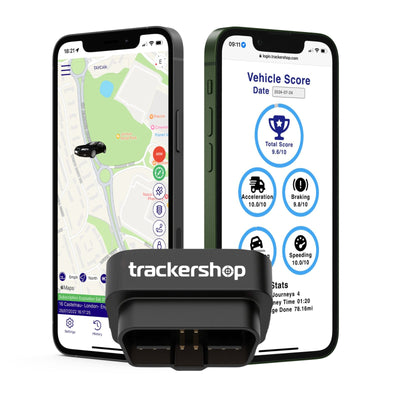
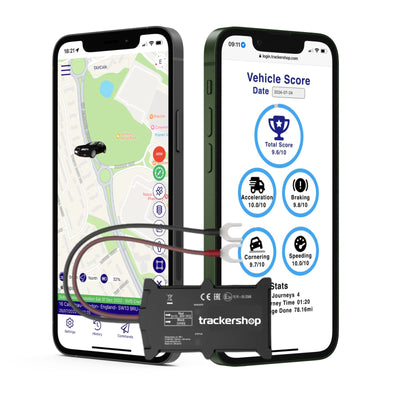
Telematics devices use sensitive accelerometers to detect aggressive driving patterns. You should track specific events such as harsh braking, rapid acceleration, and sharp cornering. Speeding is another critical metric; you need to know not just if a driver exceeded the limit, but by how much and for how long.
Gathering this information allows you to create driver behaviour scorecards. These scores highlight which staff members require further training and which deserve recognition for their safe habits. Integrating this data requires robust vehicle monitoring tools from MoreFleet to ensure your team drives safely and efficiently every single day. Safer driving also leads directly to lower insurance premiums, as you can prove your fleet's low-risk profile to underwriters.
4. Preventative Maintenance and Vehicle Health
Waiting for a van or lorry to break down before fixing it is an expensive strategy. Unplanned downtime costs money in lost revenue, delayed deliveries, and emergency repair fees.
Fleet managers must track odometer readings and engine hours continuously. This data feeds into automated maintenance schedules, triggering alerts when a vehicle is due for a service, oil change, or tyre rotation based on actual usage rather than just calendar dates.
Furthermore, advanced telematics systems plug directly into the vehicle's onboard diagnostics port. This allows managers to track Diagnostic Trouble Codes (DTCs) in real time. If an engine warning light activates on the dashboard, the fleet manager receives an instant alert detailing the exact fault. You can then schedule a repair before a minor issue escalates into a catastrophic engine failure.
5. Compliance and Regulatory Metrics
Operating commercial vehicles comes with strict legal responsibilities. Failing to track compliance data can result in hefty fines, vehicle seizures, or even the loss of your operator's licence.
First, track your digital daily walkaround checks. Drivers must complete these safety inspections before starting their shifts. Digital tracking ensures these checks are actually performed, rather than hastily filled out on a paper pad at the end of the week. Defect reports flow instantly to the maintenance team for immediate action.
Second, you must track drivers' hours of service. Fatigue is a major cause of road traffic accidents. Monitoring tachograph data ensures your drivers are taking their legally mandated rest breaks and not exceeding their maximum driving hours. Automating this data collection removes the administrative burden of manual compliance checks and keeps your business firmly within the boundaries of the law.
How to Manage Fleet Data Effectively
Collecting data is only the first step. The true value comes from how you manage and interpret that information.
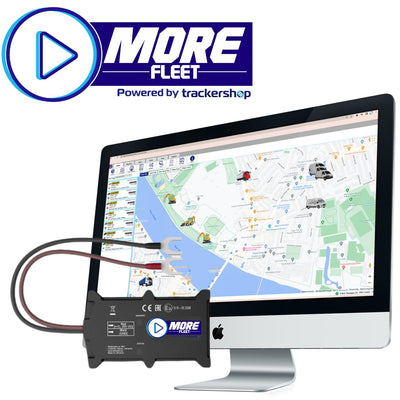
Avoid data silos by using a single, unified platform. Logging into five different software packages to check fuel, location, and maintenance creates friction and leads to missed insights. A centralised dashboard gives you a holistic view of your entire operation at a glance.
Set up automated alerts for critical events. You do not have time to watch a screen all day. Configure your software to send a notification if a vehicle speeds excessively, strays outside a geofence, or triggers an engine fault code. This management-by-exception approach means you only step in when your attention is genuinely required.
Transforming Data into Action
The ultimate goal of tracking fleet data is continuous improvement. Use the insights you gather to set realistic, measurable targets for your team.
Hold regular review meetings to discuss fuel efficiency trends and safety scores. Share the data transparently with your drivers. When staff understand how their performance is measured and how it impacts the company, they are far more likely to embrace positive changes.
Data tracking is no longer a luxury for large corporations; it is an absolute necessity for fleets of all sizes. By monitoring location, fuel, behaviour, maintenance, and compliance, you take definitive control of your assets. Ready to take control of your metrics? Explore the advanced fleet optimisation solutions at MoreFleet today and transform your data into actionable business intelligence.