Key Takeaways Patient Transport Fleet Management
• Punctuality That Patients Rely On: Live vehicle tracking and route optimisation help non-emergency patient transport arrive on time, reducing missed appointments and improving care outcomes.
• Watertight Compliance: Telematics automates compliance monitoring, from digital walkaround checks to maintenance scheduling, protecting your operator's licence and your patients.
• Genuine Duty of Care: Real-time location data and driver behaviour insights safeguard both vulnerable passengers and the staff transporting them.
• Smarter Vehicle Utilisation: Accurate usage data lets you balance workloads across the fleet, retire underused assets, and avoid unnecessary hires.
• Lower Running Costs: Tackling idling, harsh driving, and inefficient routing cuts fuel and maintenance spend across NHS and private patient transport fleets.
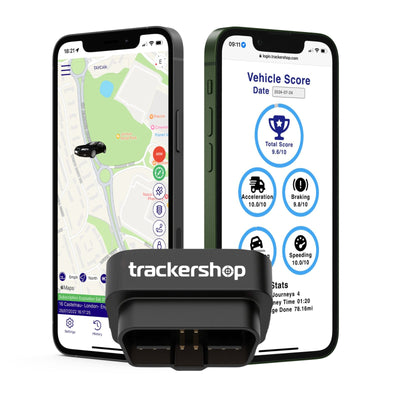
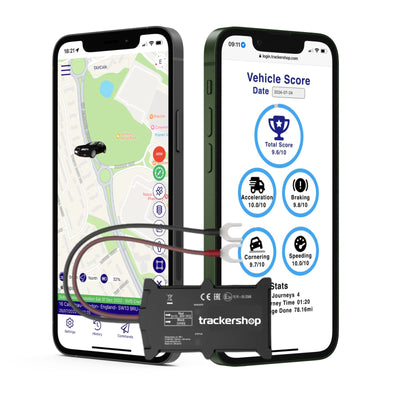
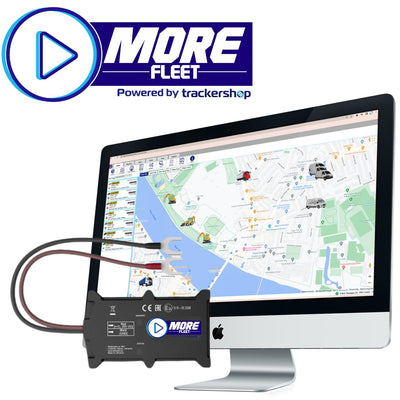
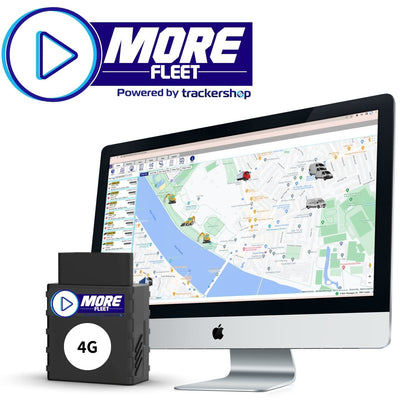
Effective patient transport fleet management improves punctuality, compliance, duty of care, vehicle utilisation, and cost control by putting reliable fleet tracking and telematics data at the heart of every decision. Whether you coordinate non-emergency patient transport for an NHS trust or run a private contract service, the pressures are the same: get vulnerable people to appointments safely and on time, prove compliance at every turn, and do it all within a tight budget. Manual logs and guesswork cannot keep pace with those demands. To gain the visibility you need across vehicles, drivers, and journeys, the patient transport fleet tracking platform from MoreFleet gives transport managers a single, dependable source of truth.
Why Patient Transport Is Different
Managing a patient transport fleet is not the same as running a standard delivery operation. Your cargo is people, often elderly, frail, or anxious. A late pickup is not a minor inconvenience; it can mean a missed dialysis session, a cancelled outpatient appointment, or a discharged patient stuck waiting on a ward.
The stakes raise the bar for everything. Punctuality, vehicle cleanliness, driver conduct, and accessibility all matter intensely. Add the regulatory weight of NHS transport contracts and CQC expectations, and the margin for error shrinks further.
This is precisely why data-driven oversight has become essential. You cannot manage what you cannot see, and patient transport leaves no room for blind spots.
Improving Punctuality with Route Optimisation
Late arrivals damage patient confidence and clog up appointment schedules. Route optimisation directly attacks this problem by planning smarter, faster journeys.
A telematics platform plans efficient sequences for multi-pickup runs, factors in live traffic, and prevents the wasted miles that come from poor scheduling. For a coordinator managing dozens of daily journeys, this means fewer missed appointments and better use of every vehicle hour.
Real-Time Visibility for Control Rooms
Live vehicle tracking lets your control room see exactly where each ambulance car or minibus is at any moment. If a vehicle falls behind, dispatchers can react instantly, reassigning a nearby driver or warning a clinic of a delay.
This transparency also supports honest communication with patients and wards. Accurate arrival estimates replace vague promises, which builds trust across the whole service.
Strengthening Compliance Monitoring
Patient transport operators face strict regulatory scrutiny. Compliance monitoring through telematics turns a heavy administrative burden into an automated, audit-ready process.
A strong fleet tracking system should support:
• Digital daily walkaround checks with instant defect reporting
• Automated MOT and service reminders based on real mileage
• Driver licence and DVLA verification
• Tachograph and Working Time Directive monitoring where relevant
• Time-stamped journey records for incident review
When a commissioner requests evidence or an incident needs investigating, you can produce accurate records in minutes rather than days. That speed protects both your contract and your reputation.
Upholding Duty of Care
Duty of care sits at the centre of patient transport. You are responsible for the safety of vulnerable passengers and the wellbeing of the drivers and crew who care for them.
Telematics underpins a credible duty of care policy. Real-time location data means you always know where your people are. Geofence and movement alerts flag when a vehicle stops unexpectedly or strays from its planned route, prompting an immediate check.
To see how location data and safeguarding features work together in practice, explore the duty of care and fleet tracking tools from MoreFleet, which give managers the oversight to act quickly when something goes wrong.
Protecting Lone Drivers
Many patient transport drivers work alone, often visiting homes in isolated areas. Panic button integration and out-of-hours alerts provide a direct lifeline back to base, ensuring help reaches them fast in an emergency.
Driver Behaviour and Passenger Comfort
How a vehicle is driven matters enormously when the passenger is unwell or in pain. Harsh braking, sharp cornering, and rapid acceleration cause discomfort and distress, and they push up costs at the same time.
Driver behaviour monitoring captures these events objectively. Scorecards highlight which drivers need coaching and which set the standard. Smoother driving delivers a gentler ride for patients while reducing fuel use, tyre wear, and accident risk.
Frame this monitoring around safety and patient comfort rather than surveillance. Drivers engage far more readily when they understand the system protects their passengers and supports their own development.
Maximising Vehicle Utilisation
Patient transport fleets are often mixed, ranging from wheelchair-accessible vehicles and stretcher cars to standard pool cars and minibuses. Managing this variety without good data leads to uneven wear and wasted capacity.
Fleet tracking shows real usage patterns across every vehicle type. You can spot assets that sit idle while others are overworked, then rebalance the workload accordingly. This insight helps you:
• Avoid costly short-term hires by redeploying underused vehicles
• Retire or replace assets at the right point in their lifecycle
• Match the correct vehicle type to each patient's needs
Better utilisation stretches your budget further and keeps the right vehicles available for the patients who need them most.
Controlling Costs Across the Fleet
Budgets in both NHS transport and private contracts are under constant pressure. Telematics turns vague spending into clear, actionable data.
Cutting Fuel Waste
Idling is a common and avoidable drain. Vehicles left running outside surgeries, homes, and hospitals burn fuel for no benefit. Telematics pinpoints where and when idling happens, giving you something concrete to address.
Combined with route optimisation, idling reduction can transform a fuel bill without compromising service quality.
Smarter Maintenance Scheduling
Unexpected breakdowns are expensive and disruptive, and they put patients at risk. Usage-based maintenance scheduling, driven by real mileage and engine hours, ensures vehicles are serviced at the right time, not too early and not too late.
Proactive maintenance extends asset life, reduces downtime, and keeps your fleet safe and roadworthy for vulnerable passengers.
Common Mistakes to Avoid
Even with the right technology, a few errors hold patient transport fleets back. Here's what to watch for.
• Collecting data but never acting on it. Reports only save money and improve safety when they drive coaching, scheduling, and route changes.
• Treating compliance as a one-off task. Regulations and routes evolve, so reviews must be ongoing.
• Ignoring driver engagement. Introducing tracking without explaining its purpose breeds resistance. Lead with patient safety and staff protection.
• Overlooking accessibility data. Failing to track which vehicles carry which equipment leads to the wrong vehicle arriving for the wrong patient.
Building a Smarter Patient Transport Strategy
The strongest fleets treat telematics as an everyday decision-making tool, not a passive record. Start by assessing your current compliance gaps, then configure your system around the data you genuinely need.
Next, identify your largest cost areas, usually fuel, maintenance, and missed appointments, and ask whether better data could reduce each one. Finally, build in regular reporting so insights reach the people who can act on them.
Consistency is what separates a well-run service from a reactive one. Monthly performance reviews keep your data working hard and surface new inefficiencies before they grow.
Conclusion
Patient transport fleet management succeeds when reliable data sits behind every decision. Strong fleet tracking improves punctuality, automates compliance monitoring, reinforces your duty of care, balances vehicle utilisation, and controls costs, all while delivering a safer, more comfortable journey for the patients who depend on you.
The organisations that get this right are those that act on their data consistently, not just to report on what happened, but to shape what happens next. Whether you manage community transport for an NHS trust or a private patient transport contract, the approach is the same: gather the right data, review it regularly, and build accountability into every journey.
Ready to deliver a more punctual, compliant, and cost-effective service? Discover how the patient transport fleet tracking solutions from MoreFleet can help you protect patients, support drivers, and improve operational efficiency across your entire fleet.