Key Takeaways Night-Shift Fleet Management for 24-Hour Businesses
• Round-the-Clock Visibility: Real-time location monitoring gives managers full sight of every vehicle after dark, when supervision is thinnest and risks are highest.
• Automated Out-of-Hours Alerts: Instant notifications flag unexpected movement, route deviations, and possible theft the moment they happen, even while the office is empty.
• Driver Fatigue Management: Telematics and behaviour data help you spot tired drivers before fatigue turns into a serious incident.
• Compliance After Dark: Fleet tracking maintains a complete audit trail across every shift, protecting your operator's licence and your duty of care.
• Lower Night-Time Costs: Route optimisation, idling reduction, and better vehicle utilisation keep 24-hour operations lean and cost-efficient.
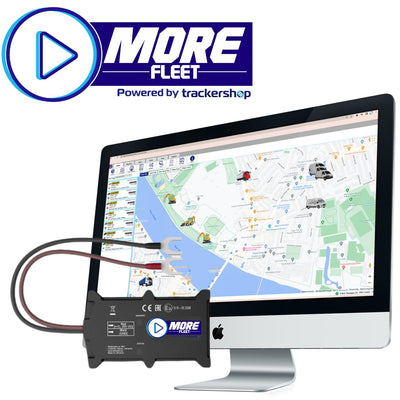
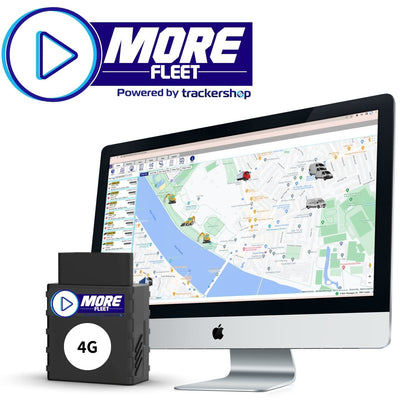
How do you keep a fleet safe, compliant, and productive when half its work happens in the dark? Effective night-shift fleet management relies on fleet tracking, real-time visibility, automated alerts, and telematics to keep 24-hour operations safe, compliant, and cost-efficient after dark. When the depot is quiet and managers are off-site, your vehicles and drivers still need oversight, and manual checks simply cannot deliver it. Live data fills that gap, letting you monitor, respond, and manage exactly as you would in daylight. To bring genuine control to your round-the-clock operation, the fleet tracking platform from MoreFleet gives you the visibility every night-shift manager needs.
Why Night-Shift Fleet Management Is Different
Running a fleet through the night is not simply running a day fleet with the lights off. The challenges shift entirely once the sun goes down, and the standard management methods that work at 2pm often fall apart at 2am.
The most obvious difference is supervision. During the day, managers, dispatchers, and colleagues are on hand to notice problems. At night, a driver may be the only person awake for miles, with no one watching over the operation until the morning shift arrives.
Then there are the physical conditions. Reduced visibility, tiredness, quieter roads that tempt speeding, and a higher risk of theft all combine to make night work riskier. For 24-hour fleet operations, these factors demand a management approach built specifically for the dark.
Real-Time Location Monitoring After Dark
The single most valuable tool for night-shift management is real-time visibility. When you cannot physically see your fleet, live tracking becomes your eyes on the ground.
A live dashboard shows exactly where every vehicle sits at any moment, whether that is a delivery lorry on a motorway, an engineer's van at a remote site, or a security patrol moving between locations. On-call managers can check the whole operation from a phone without leaving home.
Spotting Problems Before Morning
Real-time location monitoring does more than reassure. If a vehicle stops for too long in an unexpected place, or fails to reach a scheduled destination, you can act immediately rather than discovering the issue hours later.
Here's what this looks like in practice: a night driver's van sits stationary on a dark A-road for 40 minutes. Instead of nobody knowing until dawn, an alert prompts the on-call manager to call and check the driver is safe. That speed of response can turn a crisis into a routine phone call.
Automated Out-of-Hours Alerts
You cannot watch a screen all night, and you should not have to. Automated alerts do the watching for you, flagging only the events that genuinely need attention.
A strong telematics platform lets you configure triggers around your specific operation. Common out-of-hours alerts include:
• Movement outside approved working hours
• A vehicle leaving a permitted zone or geofence
• Prolonged stops in unexpected locations
• Sudden impacts consistent with a collision
• Unusual activity at a depot or compound overnight
These alerts land on your phone the instant they occur, so you can respond even while the office is dark and empty. For night-shift managers, this turns passive tracking into an active safety net.
Geofencing for Night-Time Control
Geofencing adds a powerful layer of location-based control that suits night work perfectly. You draw virtual boundaries around depots, customer sites, and approved operating areas on a digital map.
When a vehicle crosses one of these boundaries outside its permitted hours, the system triggers an immediate alert. A lorry leaving a locked yard at 3am, or a van straying far from its assigned route, becomes instantly visible.
This is especially valuable for spotting theft, which peaks during the quiet overnight hours. To see how geofencing and out-of-hours alerts combine into a single, practical system, explore the night-shift fleet tracking tools from MoreFleet, which give you firm control of your vehicles around the clock.
Managing Driver Fatigue on Night Shifts
Driver fatigue is the defining safety risk of night work. The human body is wired to sleep during darkness, so night drivers fight their natural rhythms every shift. Tired drivers react slower, make poorer decisions, and are far more likely to have accidents.
Fleet tracking and telematics help you manage this risk with hard data rather than guesswork.
Spotting the Warning Signs
Driver behaviour monitoring captures the subtle signs of fatigue as they emerge. Late-night drifting, inconsistent speed, delayed braking, and sharp corrective steering can all indicate a driver whose concentration is slipping.
So what does this mean for you? When the data flags a driver whose performance is deteriorating through the small hours, you can intervene before tiredness causes a collision. That might mean a welfare call, a mandatory break, or a review of the shift pattern itself.
Building Fatigue Into Your Planning
Telematics also supports smarter scheduling. By tracking hours behind the wheel and monitoring Working Time Directive limits where relevant, you can plan shifts that respect the genuine limits of human endurance rather than pushing drivers too far.
Combine this data with sensible break policies, and you build a night operation that protects both your people and everyone else on the road.
Compliance Monitoring Across Every Shift
Compliance does not clock off at night. Your operator's licence, health and safety obligations, and duty of care apply just as strongly at 3am as they do at midday. The challenge is proving it when no one is in the office.
Fleet tracking maintains a complete, time-stamped record across every shift automatically. That audit trail supports:
• Digital daily walkaround checks with defect reporting
• Automated MOT and service reminders based on real mileage
• Tachograph and Working Time Directive monitoring where relevant
• Time-stamped journey records for incident review
• Evidence of driving hours and rest breaks
When an audit lands or an incident needs investigating, you produce accurate records in minutes, regardless of which shift they relate to. That consistency protects both your licence and your reputation.
Lone Worker Safety Through the Night
Many night-shift drivers work entirely alone, often in isolated locations with no colleague nearby. This makes lone worker safety a central concern for any 24-hour operation.
Fleet tracking underpins a credible safety strategy for these isolated employees. Real-time location data means you always know where your night workers are. Geofence and movement alerts flag when something goes wrong, prompting an immediate check even in the dead of night.
Many platforms also support panic button or SOS integration, giving a lone driver a direct lifeline back to an on-call manager. Pressing the button sends an instant distress signal along with exact GPS coordinates, ensuring help reaches them fast. For workers handling deliveries to unfamiliar addresses or managing valuable cargo overnight, that reassurance genuinely matters.
Controlling Costs in a 24-Hour Operation
Night work carries its own cost pressures, and telematics turns vague overnight spending into clear, actionable data.
Cutting Fuel Waste
Idling is a common night-time drain. Vehicles left running to keep cabs warm during breaks, or engines idling at quiet loading bays, burn fuel for no benefit. Telematics pinpoints exactly where and when this happens, giving you something concrete to address.
Route optimisation adds further savings. Quieter overnight roads offer a real chance to plan faster, more direct journeys, and a data-driven system helps drivers make the most of clearer conditions.
Making the Most of Every Vehicle
A 24-hour operation should sweat its assets, but not unevenly. Vehicle tracking reveals real usage patterns across day and night shifts, so you can spot machinery sitting idle overnight while other vehicles are pushed too hard. Rebalancing that workload extends asset life and improves overall operational efficiency.
Common Mistakes to Avoid
Even with the right technology, a few errors undermine night-shift management. Here is what to watch for.
• Treating night shifts as an afterthought. Configure alerts, geofences, and schedules specifically for overnight work rather than reusing daytime settings.
• Ignoring fatigue data. Behaviour insights only protect drivers when you act on them with breaks and schedule changes.
• Leaving no one on call. Automated alerts are useless if there is nobody empowered to respond to them at night.
• Collecting data but never reviewing it. Regular analysis of night-shift performance surfaces risks and inefficiencies before they grow.
Building a Smarter Night-Shift Strategy
The strongest 24-hour operators treat telematics as an everyday decision-making tool, not a passive record. Start by mapping the specific risks of your night work, whether that is fatigue, theft, or lone working, then configure your system to address each one directly.
Next, make sure someone is always empowered to act on out-of-hours alerts. A clear on-call rota turns real-time data into real-time response. Finally, build in regular reviews of night-shift performance so insights reach the people who can act on them.
Consistency is what separates a controlled night operation from a reactive one. A short weekly review of your overnight data keeps the whole operation safe, lean, and accountable.
Conclusion
Night-shift fleet management succeeds when reliable data replaces the supervision that darkness takes away. Strong fleet tracking delivers the real-time visibility, automated out-of-hours alerts, fatigue insights, and compliance records that keep 24-hour operations safe, legal, and cost-efficient after dark.
The operators who get this right are those that plan for the night specifically, act on their data consistently, and keep someone ready to respond whenever an alert fires. Do that, and the small hours become just another well-managed part of your day.
Ready to bring genuine control to your round-the-clock operation? Discover how the night-shift fleet tracking solutions from MoreFleet can help you protect drivers, safeguard vehicles, and run a safer, more efficient operation through every hour of the night.