Key Takeaways NHS and Public Sector Fleet Tracking: Compliance, Cost and Control
• Compliance Made Manageable: Fleet tracking gives public sector organisations a verifiable audit trail covering vehicle checks, driver behaviour, and maintenance schedules.
• Reduced Operational Costs: Real-time data on fuel use, idling, and route efficiency helps NHS trusts and councils cut avoidable spend.
• Stronger Duty of Care: Continuous location monitoring and driver behaviour data protect both lone workers and the organisation's legal standing.
• Better Service Delivery: Route optimisation ensures vehicles reach patients, sites, and residents faster, directly improving outcomes.
• Scalable Control: Whether managing ten vehicles or ten thousand, a central fleet management platform provides consistent oversight across all departments and locations.
Public sector fleet tracking helps NHS trusts, local authorities, and government agencies improve compliance, reduce operational costs, and gain meaningful control over vehicles, drivers, and service delivery. For organisations under constant pressure to do more with less, poorly managed fleets represent a significant drain on budgets and a genuine risk to public accountability. The good news is that modern telematics removes much of that risk. If you manage vehicles on behalf of a public body and want a practical route to better oversight, MoreFleet's fleet tracking platform is built to meet the specific demands of public sector operations.
Why Fleet Management Matters in the Public Sector
Public sector organisations operate under a different set of pressures to private businesses. Every pound spent on fleet operations is public money. Every vehicle incident carries reputational, legal, and financial consequences. And every missed service whether a patient transport run, a housing repair, or an emergency response affects real people.
Despite this, many public bodies still rely on spreadsheets, manual logs, and fragmented systems to manage their fleets. That approach creates blind spots. Without consistent data, it is almost impossible to demonstrate compliance, control costs, or make confident decisions about fleet strategy.
Fleet tracking closes those gaps. It turns a collection of moving assets into a managed, accountable system.
Compliance Monitoring: Meeting Your Legal and Regulatory Obligations
What Compliance Looks Like in Practice
For NHS fleet managers and local authority transport teams, compliance is not optional. Operator licence conditions, DVSA requirements, health and safety legislation, and internal audit frameworks all demand evidence. Compliance monitoring through telematics provides that evidence automatically.
At a minimum, public sector fleet tracking should support:
• Digital daily walkaround checks with defect reporting
• Automated MOT and service reminders based on actual mileage
• Driver licence verification and DVLA checks
• Tachograph and Working Time Directive monitoring for HGV and PSV operators
• Incident reporting and post-event journey review
When an audit is requested or an incident is investigated, you need to produce records quickly and accurately. Manual processes make that difficult. A centralised fleet management system makes it straightforward.
Duty of Care and Lone Worker Protection
Many public sector workers drive alone, often to isolated locations or people's homes. Community nurses, social care staff, council inspectors, and utility operatives all fall into this category. UK health and safety law requires employers to manage the risks these workers face.
Fleet tracking provides real-time location data, geofence alerts, and movement notifications that form the foundation of a credible duty of care policy. If a vehicle stops unexpectedly, if a worker fails to reach a scheduled location, or if a journey deviates significantly from plan, managers are alerted immediately.
This matters beyond legal compliance. It protects people.
Controlling Costs Across NHS and Public Sector Fleets
Fuel Efficiency and Idling
Fuel is typically the second largest fleet expense after labour. For large NHS trusts or county councils operating hundreds of vehicles, even a modest reduction in consumption translates into significant savings.
Fleet tracking identifies where fuel is being wasted. Idling is one of the most common culprits. Vehicles left running outside GP surgeries, council offices, or patient homes burn fuel with no operational benefit. Telematics data pinpoints which drivers and which routes generate the most idle time, giving managers something concrete to act on.
Route optimisation reduces unnecessary mileage. Shorter, smarter routes mean less fuel, less wear, and faster service delivery. For patient transport coordinators managing dozens of daily runs, this directly affects both cost and patient experience.
Maintenance Scheduling and Asset Life
Unexpected breakdowns cost more than planned maintenance in almost every scenario. Emergency repairs are expensive. Downtime disrupts service. And poorly maintained vehicles carry safety risks that no public body can afford.
Usage-based maintenance scheduling changes the equation. Rather than servicing vehicles on a fixed calendar, telematics tracks actual mileage and engine hours. That means servicing happens when it should not too early, not too late.
Over time, consistent maintenance extends the working life of each vehicle and protects residual value when assets are replaced. For fleets managed against tight capital budgets, this represents a meaningful return on investment.
Operational Control: Managing a Diverse Public Sector Fleet
Mixed Fleets and Multiple Departments
NHS trusts and local authorities rarely operate a single type of vehicle. A typical trust might run patient transport minibuses, estates maintenance vans, clinical waste collection vehicles, and pool cars for management staff. A council might add HGVs, refuse lorries, and specialist plant machinery to that mix.
Managing these assets through separate systems creates inconsistency and gaps. A single fleet tracking platform that handles all vehicle types gives managers a unified view across every department. That consistency makes reporting cleaner, audits simpler, and decision-making faster.
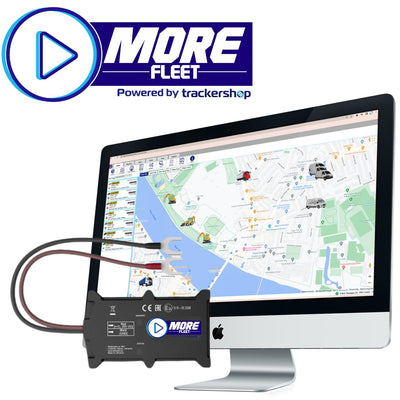
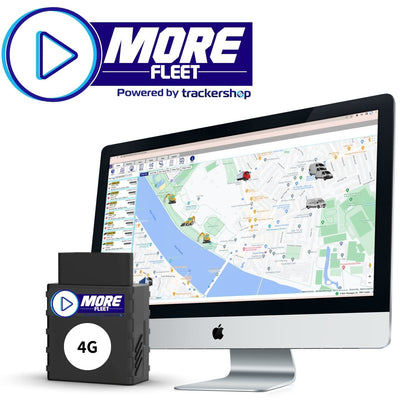
This is where investing in the right technology pays dividends beyond day-to-day operations. MoreFleet's vehicle tracking platform is designed to handle mixed public sector fleets, giving transport managers a single source of operational truth rather than a patchwork of disconnected tools.
Driver Behaviour and Safety Scores
Driver behaviour directly affects fuel costs, maintenance requirements, accident rates, and insurance premiums. Harsh braking, rapid acceleration, speeding, and sharp cornering all increase wear and risk.
For public sector fleets, the reputational dimension adds another layer of concern. A council vehicle driven aggressively through a residential area, or an NHS van caught speeding outside a school, reflects poorly on the organisation as a whole.
Telematics captures behaviour data objectively. Scorecards allow managers to identify who needs coaching and who is performing well. Targeted training reduces repeat incidents, and over time, the data shows a measurable improvement in fleet safety standards.
Route Optimisation for Service Delivery
Patient transport is a strong example of where route optimisation delivers direct operational value. Getting a patient to an outpatient appointment on time requires accurate journey planning, awareness of traffic conditions, and efficient sequencing of multiple pickups.
Manual scheduling cannot match what a data-driven system achieves. Fleet tracking shows real journey times, identifies persistent traffic bottlenecks, and allows coordinators to adjust routes dynamically. The result is fewer missed appointments, fewer complaints, and better use of vehicle capacity.
The same logic applies to council services. Waste collection routes, housing repairs, and environmental health visits all benefit from smarter planning backed by accurate fleet data.
Common Challenges in Public Sector Fleet Management
Fragmented Data and Siloed Systems
One of the most common problems in NHS fleet management and local authority transport is data fragmentation. Maintenance records sit in one system, fuel data in another, and driver records somewhere else entirely.
Fleet tracking platforms that integrate with existing HR, finance, and maintenance systems eliminate this fragmentation. Data flows automatically between systems, reducing manual input and improving accuracy.
Budget Justification and Procurement
Public sector procurement requires clear value justification. Fleet tracking needs to demonstrate a return, not just a theoretical benefit. The most persuasive cases are built on specific savings: fuel reduction percentages, maintenance cost comparisons, accident rate changes, and compliance audit outcomes.
Choosing a provider experienced in public sector contracting also simplifies procurement. Framework agreements, G-Cloud listings, and transparent pricing structures all support faster approval processes.
Staff Engagement
Introducing tracking to an existing workforce can generate resistance if it is not handled well. Staff may feel monitored or distrusted. Public sector unions may raise concerns about data privacy.
The solution is transparency. Explain clearly what is tracked, why it is tracked, and how the data will be used. Emphasise safety and compliance over performance management. When employees understand that the system is there to support them not to catch them out adoption is far smoother.
Building a Smarter Public Sector Fleet Strategy
Fleet tracking is not a standalone solution. It works best as part of a broader fleet strategy that includes clear policies, regular data reviews, and a commitment to continuous improvement.
Start with your compliance baseline. What records do you currently hold? Where are the gaps? Use that assessment to configure your tracking system around the data you actually need.
Then look at cost. Identify your three largest areas of fleet expenditure and ask whether better data could reduce each one. Fuel, maintenance, and accident-related costs are usually the most productive starting points.
Finally, build in regular reporting. Monthly fleet performance reviews, shared with relevant stakeholders, keep the data working for you rather than sitting unused in a dashboard.
Conclusion
NHS and public sector fleet tracking is not a luxury. It is a practical tool for meeting legal obligations, protecting public money, and delivering services more effectively. The organisations that manage their fleets well are those that use data consistently not just to report on what happened, but to make better decisions about what happens next.
Compliance, cost, and control are all achievable with the right platform behind you. Whether you manage community transport for a clinical commissioning group, a council maintenance fleet, or a mixed estate across multiple departments, the approach is the same: get the right data, act on it regularly, and build accountability into every journey.
Take the next step towards a more efficient, compliant, and accountable fleet. Explore the public sector fleet tracking solutions from MoreFleet and find out how smarter vehicle management can improve outcomes across your organisation.