Key Takeaways Lone Worker Safety: How Fleet Tracking Protects Isolated Employees
• Real-Time Visibility: Fleet tracking gives managers instant access to the exact location of every lone worker, enabling rapid response when something goes wrong.
• Emergency Alerts: Automated distress signals and man-down alerts connect isolated employees to help when they cannot call for assistance themselves.
• Duty of Care Compliance: UK health and safety law requires employers to protect lone workers, and fleet tracking creates a verifiable digital record of that commitment.
• Behaviour Monitoring: Telematics data identifies risky driving habits before they lead to accidents, keeping isolated employees safer on the road.
• Operational Efficiency: Protecting lone workers does not just reduce risk; it also improves scheduling, response times, and overall workforce management.
Fleet tracking enhances lone worker safety by providing real-time location data, automated emergency alerts, and the digital audit trail that UK employers need to demonstrate compliance with their duty of care. When an employee works alone on the road, they face risks that office-based colleagues simply do not encounter vehicle breakdowns in remote areas, medical emergencies with no one nearby, or confrontations at unfamiliar locations. Without a reliable system behind them, isolated employees are genuinely vulnerable. For businesses that want to protect their people and meet their legal obligations, implementing a dedicated lone worker fleet tracking solution from MoreFleet provides the safeguard that modern workplaces require.
The Scale of Lone Working in the UK
Lone working is far more common than many people realise. Across the UK, millions of employees spend their working day without direct supervision. Mobile engineers, delivery drivers, community healthcare workers, field sales representatives, and utility technicians all fall into this category.
For many of these roles, a company vehicle is effectively a mobile workplace. The person inside it may be miles from the nearest colleague, travelling through unfamiliar territory, visiting a client's property, or managing an emergency repair on the side of a road.
The Health and Safety at Work Act 1974 places a clear legal responsibility on employers to manage this risk. The Management of Health and Safety at Work Regulations 1999 reinforce it further, requiring businesses to carry out specific risk assessments for lone workers and put appropriate controls in place.
Fleet tracking is one of the most effective controls available.
What Makes Lone Workers Vulnerable?
Understanding the specific risks faced by isolated employees is the starting point for building a meaningful safety strategy.
Delayed emergency response is the most serious concern. If a lone worker has a medical episode, is involved in a road traffic accident, or finds themselves in a threatening situation, they may not be able to call for help. Without a tracking system, colleagues might not realise anything is wrong for hours.
Vehicle breakdowns present a practical but sometimes dangerous challenge. A driver stranded alone at night, in bad weather, or in an isolated location faces real risk. Knowing their exact location speeds up recovery and ensures they are not waiting alone for longer than necessary.
Violence and aggression affect workers who visit homes, manage deliveries to unknown addresses, or handle valuable goods. While tracking cannot prevent an incident, the knowledge that a worker's location is monitored and that alerts can be triggered quickly acts as a genuine deterrent.
Cumulative fatigue also affects mobile workers. Long hours behind the wheel, combined with pressure to meet tight schedules, increases the likelihood of accidents. This risk is especially high for those working without colleagues to notice warning signs.
How Fleet Tracking Addresses Lone Worker Safety
Real-Time Location Monitoring
The most fundamental protection fleet tracking offers is continuous visibility. A live dashboard allows fleet managers to see the location of every vehicle at any moment. If a driver fails to arrive at a scheduled destination, or if a vehicle remains stationary in an unexpected location, the system flags the anomaly.
This constant awareness means concerns can be identified and acted upon quickly, rather than waiting for a missed check-in call to prompt investigation.
Automated Alerts and Trigger Points
Advanced fleet tracking platforms go well beyond passive monitoring. Systems can be configured to send automated alerts when a vehicle:
• Remains stationary for an unusual period outside of a known stop
• Travels outside of a pre-defined area or geofence
• Moves during out-of-hours periods
• Records a sudden impact or rapid deceleration consistent with a collision
These trigger points allow managers to respond immediately, even when they are not actively watching the screen. In a genuine emergency, that speed of response can be the difference between a serious outcome and a safe recovery.
Panic Button and SOS Integration
Many fleet tracking solutions support integration with in-vehicle panic buttons or driver apps that allow a lone worker to raise an alert discreetly. Pressing the button sends an instant distress signal to the management team, complete with the worker's exact GPS coordinates.
This feature is particularly important for drivers who visit private addresses or handle cash and valuable goods, where the risk of confrontation is higher. It gives the driver a direct lifeline back to the office at all times.
Strengthening Your Duty of Care with Digital Evidence
Under UK law, demonstrating your duty of care requires more than good intentions. Employers must be able to show, with evidence, that they assessed the risks and took appropriate action to manage them.
Fleet tracking creates a time-stamped, verifiable record of every journey. It shows where your workers were, how long they spent at each location, and how they drove. If an incident occurs and your practices are scrutinised by the Health and Safety Executive, this data can prove that your business took its obligations seriously.
Managing that evidence trail, however, requires the right tools. Purpose-built platforms make it straightforward to store, access, and export data for compliance purposes. To see how this works in practice, explore the fleet tracking compliance features available through MoreFleet and ensure your duty of care records are always accurate and accessible.
Driving Behaviour and Road Safety for Lone Workers
Lone workers are, statistically, more likely to drive for longer periods and cover more varied routes than other members of staff. That exposure means road risk management is a core part of any lone worker safety strategy.
Fleet tracking collects detailed driver behaviour data, including:
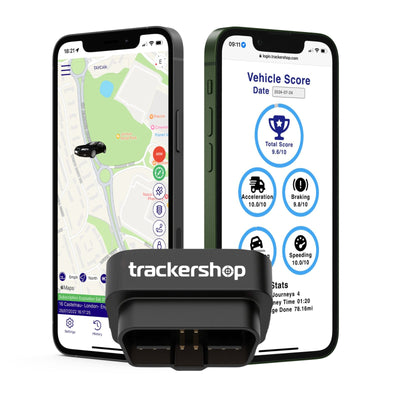
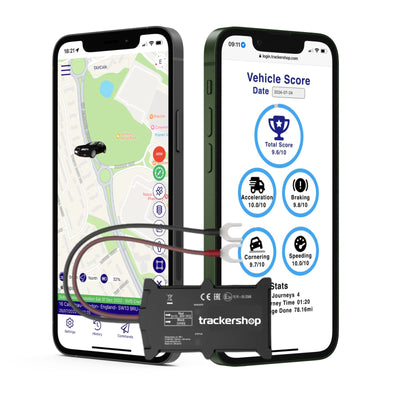
• Speeding: Flagging every incident where a driver exceeds the legal limit, including duration and frequency
• Harsh braking: An indicator of following too closely or poor forward awareness
• Rapid acceleration: Associated with an impatient driving style and increased fuel consumption
• Sharp cornering: A risk factor for larger commercial vehicles, particularly vans carrying heavy loads
• Excessive idling: Less of a safety concern, but a useful indicator of overall driver discipline
These metrics feed into individual driver scores. Managers can identify which lone workers need additional coaching and address risky habits before an accident occurs. This is especially valuable when there is no line manager physically present to observe behaviour.
Managing Out-of-Hours Risk
Many lone workers operate outside standard business hours. Night-shift delivery drivers, on-call engineers, and community care staff may be on the road at times when support is harder to access and visibility on the roads is reduced.
Fleet tracking does not stop when the office closes. Geofencing alerts can notify on-call managers if a vehicle enters a restricted area or moves unexpectedly during the night. Combined with automatic movement alerts, this ensures that someone is always aware of where lone workers are, regardless of the time.
For businesses that allow employees to drive company vehicles outside of work, the system can also be configured to respect driver privacy during genuine personal time, ensuring compliance with UK data protection law while still activating safety monitoring during scheduled shifts.
Creating a Culture That Supports Lone Worker Safety
Technology is only part of the solution. Policies, communication, and culture determine whether a lone worker safety strategy actually works in practice.
Clear communication matters enormously. Employees should understand why tracking is in place, what data is collected, and how it is used. When staff know the system exists to protect them not to micromanage their every movement they are far more likely to engage positively with it.
Regular check-in protocols complement tracking systems well. Whether automated through an app or managed manually, regular contact gives lone workers a consistent touchpoint with the wider team. It also creates a pattern that makes anomalies easier to spot.
Risk assessments for lone working should be reviewed regularly. As routes, customer locations, and business needs change, so do the risks. Tracking data can support these reviews by revealing patterns in journey types, locations visited, and hours worked.
Training should address both road safety and personal safety. Lone workers benefit from guidance on what to do if they feel unsafe, how to use emergency features in the vehicle or app, and when to escalate a concern.
The Business Case for Investment
Protecting lone workers is the right thing to do. It is also a sound commercial decision.
The cost of a lone worker incident in human terms, legal liability, and operational disruption far outweighs the investment in a tracking system. Fewer accidents mean lower insurance premiums, reduced vehicle downtime, and fewer claims. A reputation for taking employee safety seriously also supports staff retention and recruitment.
Fleet tracking delivers returns across multiple areas simultaneously. It improves lone worker safety, supports compliance, reduces fuel costs, strengthens maintenance scheduling, and provides the operational data needed to manage a mobile workforce effectively.
Conclusion
Lone worker safety is not a problem that can be solved by good intentions alone. Isolated employees face genuine, measurable risks every time they leave the depot, and UK law places the responsibility for managing those risks squarely on the employer.
Fleet tracking provides the real-time visibility, automated alerts, and compliance evidence that every business with a mobile workforce needs. It gives managers the tools to respond quickly when something goes wrong, and to identify risks before they escalate.
If your business has employees working alone on the road, now is the time to act. Protect your people, meet your legal obligations, and manage your mobile workforce with confidence by exploring the advanced lone worker safety and fleet tracking tools from MoreFleet today.