Key Takeaways For Managing Driver Hours & Fatigue
• Technology is Essential: Modern fatigue management relies on advanced telematics to proactively monitor driving limits and prevent exhaustion.
• Regulatory Compliance: Adhering strictly to UK driver hours rules protects businesses from heavy fines and legal action.
• Proactive Interventions: Real-time alerts notify fleet managers before a driver breaches their legal hours, allowing for immediate route adjustments.
• Cultural Shift: Promoting open communication about tiredness encourages drivers to take necessary breaks without fear of penalty.
• Financial Benefits: Reducing fatigue lowers accident rates, leading to fewer insurance claims and reduced vehicle downtime.
Managing driver hours and fatigue in 2026 involves leveraging technology to ensure compliance, improve safety, and boost operational efficiency across your entire mobile workforce. As the demands on the UK logistics and transport sectors grow, relying on manual paper logs or basic guesswork is no longer viable. Fleet operators must now adopt smart, automated systems that monitor driving times with absolute precision. By implementing robust digital tools, businesses can protect their drivers from exhaustion while safeguarding their operator's licence. If you want to eliminate the guesswork and ensure absolute compliance, integrating the advanced fleet tracking software from MoreFleet is the most effective step you can take for your business.

The True Cost of Driver Fatigue
Driver fatigue remains one of the most significant risks on the UK road network. Tiredness degrades reaction times, impairs judgement, and drastically reduces a driver's ability to anticipate hazards. Understanding the true cost of this issue is the first step toward effective fatigue management.
Immediate Safety Implications
When a driver falls asleep at the wheel, the results are almost always catastrophic. Commercial vehicles carry immense weight, and collisions occurring at motorway speeds cause severe damage. Even micro-sleeps brief moments of unconsciousness lasting just a few seconds can result in a lorry drifting across lanes or failing to stop for stationary traffic. Road safety must always be the top priority, and preventing these incidents requires strict oversight of working hours.
Financial and Legal Risks
Beyond the human cost, fatigue-related accidents create a massive financial burden for fleet operators. Companies face soaring insurance premiums, vehicle repair costs, and compensation claims. Furthermore, if an investigation reveals that the business systematically ignored driver hours compliance, company directors can face criminal prosecution. The Traffic Commissioner has the power to revoke an operator's licence entirely, effectively closing the business down overnight.
Understanding 2026 UK Regulations
To protect both drivers and the public, the UK enforces strict regulations governing how long commercial drivers can operate a vehicle. Staying compliant requires a thorough understanding of these complex rules.
Tachograph Rules Explained
Most heavy goods vehicles (HGVs) and large passenger vehicles must be fitted with a tachograph. These devices record driving time, breaks, and rest periods. Under the core regulations, a driver must not drive for more than 9 hours in a single day, though this can be extended to 10 hours twice a week. Furthermore, they must take a 45-minute break after every 4.5 hours of driving. Keeping track of these limits across a large team is a complex administrative challenge.
The Working Time Directive
Alongside specific driving limits, operators must also adhere to the Road Transport (Working Time) Regulations. These rules dictate the total amount of working time permitted, which includes driving, loading, unloading, and administrative tasks. Drivers cannot exceed an average of 48 hours of work per week. Managing these overlapping regulations requires meticulous record-keeping and a proactive approach to scheduling.
Leveraging Technology for Compliance
Manual tracking and paper timesheets are prone to human error and deliberate manipulation. To manage these risks effectively, modern fleets rely on sophisticated telematics.
Real-Time Data Collection
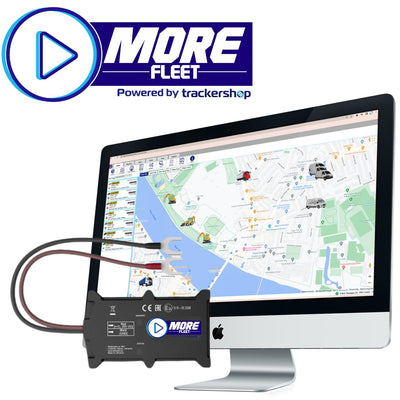
Advanced fleet management systems connect directly to a vehicle's digital tachograph. This integration provides the transport office with a live feed of every driver's current status. Managers can see exactly how much driving time an individual has left before they must legally take a break. To see how real-time data transforms your operations, discover the comprehensive fatigue management and fleet tracking solutions at MoreFleet and take total control of your compliance.
Automated Alerts and Routing
With a live data feed, the software does the heavy lifting for you. Fleet managers receive automated alerts when a driver is approaching their legal limit. If a driver gets caught in unexpected traffic and risks breaching their hours, the dispatcher can intervene instantly. They can reroute the vehicle to the nearest safe parking area or assign another driver to take over the load. This dynamic approach completely removes the risk of accidental compliance breaches.
Creating a Culture of Road Safety
Technology provides the data, but management must provide the leadership. Fostering a supportive company culture is just as important as installing the latest hardware.
Training and Education
Drivers must understand exactly why these rules exist. Regular training sessions should highlight the physical signs of fatigue, such as heavy eyelids, frequent yawning, and drifting across lanes. Education empowers drivers to recognise when they are dangerously tired, rather than pushing through the exhaustion to finish a shift early.
Open Communication
Many drivers feel pressured to meet unrealistic delivery deadlines, leading them to skip crucial rest breaks. Fleet managers must actively remove this pressure. You must encourage open communication, ensuring drivers know they will not face disciplinary action for stopping if they feel too tired to continue safely. A business that prioritises road safety over minor delivery delays builds a loyal, healthy, and highly efficient workforce.
Managing Shift Patterns Effectively
How you schedule your drivers has a direct impact on their physical well-being. Poorly planned shift patterns disrupt circadian rhythms, making severe fatigue inevitable.
Avoiding Irregular Rotas
Constantly shifting a driver between early morning starts and late-night runs prevents them from establishing a healthy sleep routine. Where possible, fleet managers should implement consistent shift patterns. Forward planning allows drivers to manage their personal rest time effectively, ensuring they arrive for their shifts fully refreshed and alert.
Accommodating Night Work
Night driving carries a naturally higher risk of fatigue because it forces the driver to fight their body's natural sleep cycle. UK regulations limit night workers to 10 hours of work in any 24-hour period. Transport planners must factor this into their routes, allowing extra time for breaks and ensuring night drivers receive adequate recovery time between their shifts.
The Future of Fatigue Management
As we move through 2026, the tools available to fleet operators continue to evolve. We are moving away from simple reactive tracking toward highly predictive safety models.
Predictive Analytics
By analysing historical data, modern software can identify specific routes or times of day that consistently cause fatigue-related issues. For example, a system might highlight that drivers returning to the depot on a Friday afternoon show signs of erratic driving. Armed with this insight, managers can adjust schedules permanently to eliminate these high-risk bottlenecks.
Driver Facing Cameras
Many fleets now utilise inward-facing cameras equipped with artificial intelligence. These cameras scan the driver's face for signs of distraction or drowsiness, such as prolonged eye closure or sudden head drops. If the system detects a micro-sleep, it triggers an audible alarm in the cabin and alerts the transport office instantly. This technology acts as a vital safety net, preventing accidents before they happen.
Conclusion
Managing driver hours and fatigue is not simply a box-ticking exercise for the traffic authorities. It is a fundamental responsibility that protects your staff, the public, and the financial health of your enterprise.
Relying on outdated methods to manage modern logistical challenges leaves your business exposed to severe legal and financial risks. By combining a strong safety culture with intelligent telematics, you can optimise your routes, support your drivers, and eliminate compliance breaches entirely.
Do not leave your compliance to chance. Protect your operator's licence and improve your operational efficiency by exploring the advanced driver hours compliance and fleet tracking systems from MoreFleet today.