Key Takeaways How Fleet Operators Are Managing Driver Shortages
• Doing More with Fewer Drivers: Fleet tracking and telematics help operators squeeze maximum value from every available driver, reducing the pressure to recruit constantly.
• Smarter Route Planning: Route optimisation cuts wasted miles and idle time, allowing the same workforce to complete more jobs each day.
• Stronger Driver Retention: Fairer workloads, recognition through driver behaviour data, and reduced stress help operators keep the skilled drivers they already have.
• Better Vehicle Utilisation: Real usage data reveals underused assets and uneven workloads, so you deploy vehicles and people where they deliver the most value.
• Lower Reliance on Headcount: Operational efficiency gains mean you can absorb demand without endlessly chasing scarce, expensive new recruits.
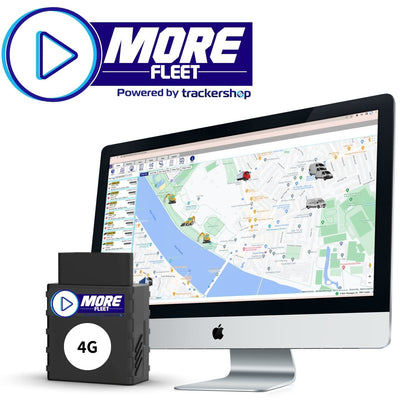
How are fleet operators coping with a shrinking pool of qualified drivers? They are managing driver shortages by using fleet tracking and telematics to maximise efficiency, improve driver retention, optimise vehicle utilisation, and reduce their reliance on additional headcount. Rather than competing in an expensive recruitment race, the smartest operators are getting more from the drivers and vehicles they already have. Live data shows exactly where time and capacity leak away, allowing managers to redesign operations around the workforce available to them. If you want to ease the strain of a tight labour market, the fleet tracking platform from MoreFleet gives you the visibility to do far more with less.
Why the Driver Shortage Is Hitting UK Fleets Hard
The shortage of qualified drivers across the UK is no longer a temporary blip. An ageing workforce, fewer young people entering the profession, and the lingering effects of regulatory and economic change have left many operators permanently short-handed.
The consequences ripple through the whole business. Vehicles sit parked because there is nobody to drive them. Existing drivers face longer hours and heavier workloads, which fuels burnout and pushes good people out of the door. Missed deliveries and slow response times then damage customer relationships.
So what? Throwing money at recruitment alone rarely solves the problem. Wages rise, agency costs balloon, and you still end up competing for the same scarce talent. The operators who thrive are those who change how they work, not just how much they spend.
Maximising Efficiency from Every Driver
When you cannot easily add drivers, the priority shifts to getting more value from each one. This is where telematics earns its keep.
Route Optimisation That Reclaims Hours
Route optimisation is one of the fastest ways to free up capacity. By planning smarter multi-drop sequences, avoiding congestion, and eliminating backtracking, you allow each driver to complete more jobs within the same shift.
For a short-handed fleet, those reclaimed hours are gold. A driver who saves 45 minutes a day through better routing effectively adds capacity you would otherwise have to recruit for. Across a team, that adds up to entire shifts recovered each week.
Cutting Idle Time and Wasted Movement
Idling and unnecessary journeys quietly drain productive time. Telematics pinpoints exactly where vehicles sit running or take inefficient routes, giving managers something concrete to fix.
Quick test: Look at your idling data for a single week. If drivers are losing hours to avoidable downtime, that is hidden capacity you can recover without hiring a single extra person.
Improving Driver Retention with Better Data
Recruitment matters, but retention matters more during a shortage. Every driver who leaves takes hard-won experience with them and forces you back into a costly hiring cycle.
Fleet management data helps you keep your best people by making their working lives fairer and less stressful. When you can see real workloads across the team, you can balance jobs evenly rather than overloading your most reliable drivers until they burn out.
Driver behaviour monitoring also supports retention when handled well. Instead of using it purely to catch mistakes, the best operators use it to recognise and reward safe, efficient driving. Fair scorecards, coaching, and genuine recognition make drivers feel valued. To build a workplace that retains talent, the fleet management tools from MoreFleet give you the workforce insight to support your drivers rather than simply police them.
Optimising Vehicle Utilisation
A driver shortage is also a capacity problem, and your vehicles are part of that equation. If assets sit idle while others are overworked, you are wasting the very resources that could ease the strain.
Vehicle tracking reveals real usage patterns across the whole fleet. You can quickly spot which vehicles are underused and which are stretched too thin, then rebalance accordingly. This insight helps you:
• Match the right vehicle and driver to the right job
• Avoid expensive short-term hires by redeploying spare capacity
• Retire or reassign assets that no longer earn their keep
Here's what to do instead of hiring reactively: before adding headcount, check whether better utilisation of your existing fleet could absorb the demand. Often it can.
Reducing Reliance on Additional Headcount
The goal is not to run drivers into the ground with fewer people. It is to design an operation that does not depend on a constant stream of new recruits.
Operational efficiency gains compound over time. Smarter routing, lower idling, balanced workloads, and better utilisation together create real spare capacity. That capacity lets you absorb seasonal peaks or new contracts without immediately scrambling to hire.
Supporting and Upskilling Existing Staff
Data also helps you develop the drivers you have. Behaviour insights highlight where targeted coaching will lift performance, turning average drivers into confident, efficient ones. Investing in your team this way improves both productivity and loyalty.
Planning Workforce Needs with Confidence
Accurate telematics data takes the guesswork out of workforce management. When you understand exactly how long jobs take and where capacity sits, you can plan shifts realistically and recruit strategically rather than in a panic.
Common Mistakes to Avoid
Even with the right technology, a few errors undermine progress. Watch for these.
• Collecting data but never acting on it. Reports only ease shortages when they drive real changes to routing, scheduling, and coaching.
• Using tracking to punish, not support. Heavy-handed monitoring damages morale and accelerates the very turnover you are trying to prevent.
• Recruiting before optimising. Adding headcount before fixing inefficiencies simply masks waste and inflates costs.
• Ignoring driver feedback. Your drivers see problems first. Combine their input with your data for the best results.
Building a Resilient Fleet Strategy
The strongest operators treat telematics as an everyday decision-making tool, not a passive record. Start by identifying your biggest sources of lost capacity, whether that is idling, inefficient routes, or uneven workloads.
Next, tackle the largest leak first to win quick capacity gains, then layer in further improvements. Build in regular reviews so insights reach the people who can act on them, and involve your drivers in the changes you make.
Consistency is what separates a resilient fleet from a stretched one. Monthly performance reviews keep your operation lean and surface new pressures before they force you into reactive hiring.
Conclusion
Driver shortages are a structural challenge, not a passing inconvenience. The operators managing them best are not winning a bidding war for scarce talent; they are using fleet tracking and telematics to get more from the drivers and vehicles they already have. Smarter routing, fairer workloads, stronger retention, and better utilisation together reduce the constant pressure to recruit.
Treat your data as a strategic asset, act on it consistently, and involve your drivers in the journey. Do that, and you can meet demand without endlessly chasing new headcount.
Ready to ease the strain of the driver shortage and build a more resilient operation? Discover how the fleet tracking solutions from MoreFleet can help you maximise efficiency, retain your best drivers, and do more with the workforce you already have.