Key Takeaway GPS Tracking for Motorhome and Campervan Rental Companies
• Motorhomes and campervans are high-value, highly portable assets that spend most of their life in the hands of someone who isn't the owner, which makes them a distinct theft and misuse risk compared with a standard rental car fleet.
• GPS tracking gives rental companies real-time location visibility, geofencing alerts if a vehicle strays outside an agreed area, and mileage or usage data that supports fair billing and dispute resolution.
• Thatcham-approved trackers can lower fleet insurance premiums and are increasingly expected by insurers as standard due diligence for high-value leisure vehicles.
• Fitting trackers across the fleet protects the business from theft, unauthorised cross-border travel, and costly "he said, she said" disputes over how a vehicle was used.
Yes, GPS tracking is one of the most effective tools a motorhome or campervan rental company can use to protect its fleet, because it gives you continuous, verifiable visibility over vehicles that are, by the nature of the business, handed to strangers for days or weeks at a time. Fitting GPS trackers across your fleet means you always know where each vehicle is, you're alerted immediately if one leaves an agreed boundary, and you have hard data to fall back on if a hire ends in a dispute over mileage, route, or misuse.
Why Rental Fleets Face a Different Risk Profile
A private motorhome owner only has to worry about theft from their own driveway or a storage yard. A rental company hands the keys to a different person every week, often for multi-day trips across the country or across borders, and has no way of physically supervising how the vehicle is treated once it leaves the yard. That gap is where the real risk sits.
Common issues rental operators report include vehicles taken outside the agreed hire area (particularly abroad, where insurance and breakdown cover may not apply), unauthorised subletting or extended use beyond the booked return date, and straightforward theft, either by someone posing as a legitimate hirer or by opportunists targeting a vehicle left unattended at a campsite or service station. Motorhomes and campervans are also simply easier to steal and resell profitably than the average car, given their high value and the demand for used leisure vehicles.
What GPS Tracking Actually Solves for a Rental Business
The value of tracking a rental fleet goes well beyond "finding it if it's stolen," although that matters. Real-time location tracking means your operations team can see exactly where every vehicle in the fleet is at any moment, which is useful for scheduling, breakdown response, and simply confirming a vehicle is where the hirer says it is.
Geofencing is arguably the single most useful feature for a rental business specifically. You set the boundary agreed in the hire contract, whether that's mainland UK, a specific region, or a defined radius, and you receive an instant alert if the vehicle crosses it. That turns a contract clause into something enforceable in real time, rather than something you only discover was broken when the vehicle comes back with 2,000 unexplained miles on the clock.
Trip and mileage history also gives you an objective record to settle disputes: if a hirer claims they never left the country, or query a fuel or excess mileage charge, you have the data to confirm or correct it, rather than relying on their word against yours.
Choosing the Right Tracking Setup for a Fleet
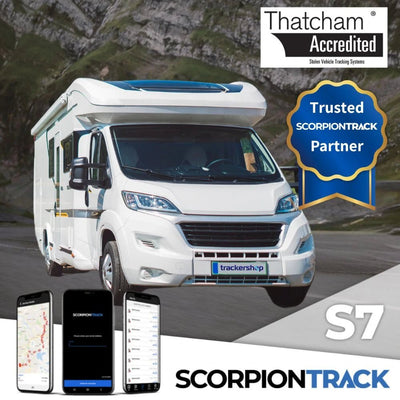
Fleet tracking for motorhomes and campervans has slightly different requirements from a single private car. Look for trackers with strong battery backup or hardwired power, since vehicles may sit unused for periods between hires and you need coverage throughout. Thatcham approval (S5 or S7) is worth prioritising, both for the security standard it represents and for the insurance recognition that comes with it, particularly important when insuring a fleet of high-value vehicles rather than a single one.
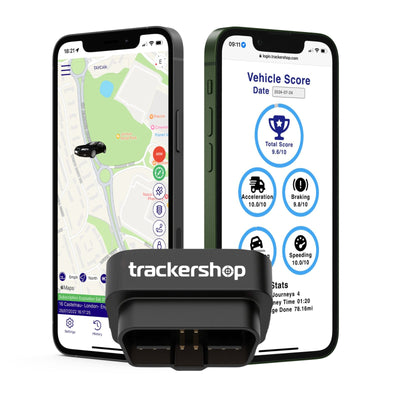
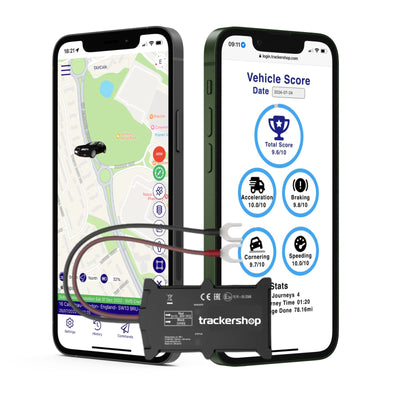
It's also worth considering a tracker with built-in geofencing and fleet management reporting rather than a basic consumer unit, so you can manage multiple vehicles from one dashboard instead of juggling separate apps. Comparing the full range of car trackers available will help you match the specification to your fleet size and hire model, whether you run five vehicles or fifty.
Protecting the Fleet Is Protecting the Business
For a motorhome or campervan rental company, each vehicle represents a significant capital outlay, and the business model depends on trusting people you've often only just met with that asset for days at a time. GPS tracking doesn't replace good vetting and clear contracts, but it closes the gap between "we hope this goes well" and "we know exactly what's happening with our fleet at all times."
If you're reviewing your fleet security ahead of the next hire season, it's worth comparing GPS trackers and car trackers suited to leisure vehicles, so every hire is backed by real visibility rather than just a signed agreement.
Frequently Asked Questions
Can GPS tracking help enforce geographic hire restrictions?
Yes. Geofencing lets you set a permitted area for each hire and receive an instant alert if the vehicle leaves it, which is far more reliable than relying on the hirer to stick to the contract terms.
Does fitting trackers reduce fleet insurance costs?
Many insurers offer reduced premiums for fleets fitted with Thatcham-approved trackers (S5 or S7), and some now expect this as standard for high-value leisure vehicle cover.
Is tracking data useful for resolving customer disputes?
Yes. Location and mileage history give you an objective record of how a vehicle was used during a hire, which is useful for settling disagreements over excess mileage, route restrictions, or return times.