Key Takeaways Fleet Tracking for London Local Council Vehicles: Cutting Costs, Meeting Net Zero and Protecting Public Assets
• Fleet tracking gives London councils real-time visibility of every vehicle, helping cut fuel costs, reduce emissions and improve service delivery to residents.
• London's 32 boroughs still run heavily diesel-based fleets, with analysis estimating around 5,000 council diesel vehicles on the capital's roads, so tracking data is central to hitting ULEZ and net-zero targets.
• Telematics supports duty of care, driver safety and transparent public accountability for how taxpayer-funded vehicles are used.
• With tool and van theft rising sharply across London, GPS tracking protects high-value council vehicles, plant and equipment and improves recovery rates.
• Choosing the right system means looking for accurate GPS, driver behaviour reporting, maintenance alerts and integration with existing council systems.
How can London local councils run safer, cleaner and more cost-effective vehicle fleets?
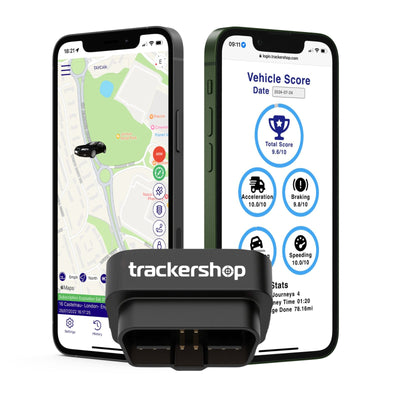
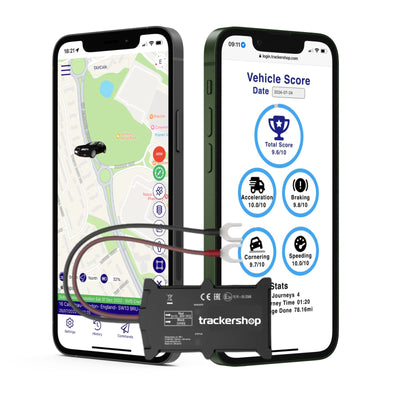
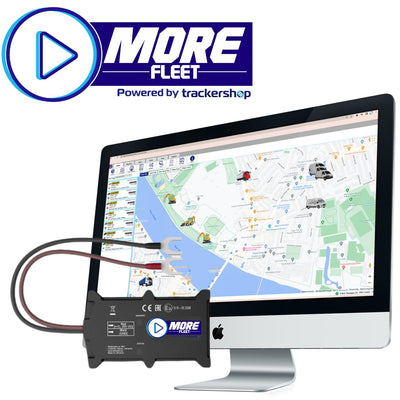
The most effective answer is Fleet Tracking: GPS telematics that shows exactly where every council vehicle is, how it is being driven and how efficiently it is being used. For London boroughs juggling tight budgets, strict air quality rules and growing public scrutiny, a connected fleet turns a fixed operating cost into a source of live, actionable data. From bin lorries and street sweepers to housing repair vans and parks vehicles, tracking helps councils cut mileage and fuel spend, evidence progress towards net zero, keep drivers safe and protect valuable assets from theft. In short, it is the single most practical tool for running a modern local authority fleet.
The scale of London's council fleet challenge
Council fleets are the vehicles local authorities rely on every day to deliver frontline services, including bin lorries, street-cleaning vehicles, maintenance vans and transport used by housing, highways and parks teams. Across the capital, that adds up to a significant carbon and cost footprint.
Analysis based on Freedom of Information requests to all 32 London boroughs found that most councils continue to run diesel-heavy fleets, with roughly 5,000 council-operated diesel vehicles on London's roads and electric vehicles accounting for only around one in five. More than two-thirds of the councils that responded confirmed that diesel makes up the majority of their fleet. With individual boroughs such as Enfield having committed to decarbonise their vehicle fleets by 2030, the gap between ambition and reality is exactly where fleet data earns its keep.
You cannot manage what you cannot measure. Without tracking, councils lack the granular mileage, idling and utilisation figures needed to plan electrification, retire underused vehicles and prove emissions reductions to residents and auditors.
Meeting ULEZ, air quality and net-zero targets
London's Ultra Low Emission Zone and the wider net-zero agenda have made fleet emissions a political as well as an operational issue. Investing in Fleet Tracking gives councils the evidence base to act.
Telematics data pinpoints excessive idling, inefficient routing and unnecessary journeys, all of which drive up both fuel bills and emissions. Route optimisation alone can shave meaningful mileage off waste collection and maintenance rounds, while driver behaviour reporting curbs the harsh acceleration and speeding that waste fuel and increase wear.
The direction of travel is clear from leading boroughs. Westminster City Council, for example, invested £20 million in 45 zero-emission refuse collection vehicles as part of a programme to replace its 80-strong diesel truck fleet, cutting fleet emissions by around 2,000 tonnes of CO2 a year. The scheme was partly funded by the Mayor's Energy Efficiency Fund set up by the Greater London Authority. Tracking is what allows a council to plan a transition like this, monitor the performance of new electric vehicles and demonstrate the return on that investment.
Protecting council vehicles, plant and equipment from theft
Council fleets are a prime target for criminals, and London is at the sharp end of the trend. Reports indicate that tool thefts from vans in London rose by 70% in 2024, and industry analysis suggests a tool theft is reported in the UK roughly every 12 minutes. For a local authority, a stolen van, tipper or piece of plant means not just a replacement cost but a disruption to essential public services.
GPS tracking is a proven deterrent and recovery tool. Live location data helps councils respond the moment a vehicle moves outside authorised hours or geofenced areas, and it dramatically improves the chances of recovering a stolen asset and returning it to service quickly. Paired with immobilisers and covert tracking, it forms the layered security approach that police and insurers consistently recommend for high-value vehicles and equipment.
Duty of care, safety and public accountability
Councils have a legal duty of care to the staff who drive on their behalf. Telematics supports this by monitoring driver behaviour, flagging risky habits and providing data for coaching and training. Maintenance alerts based on real mileage and engine hours help keep vehicles roadworthy and reduce the risk of breakdowns during critical services such as refuse collection or highway repairs.
Just as importantly, tracking underpins public accountability. When residents and auditors ask how taxpayer-funded vehicles are being used, a council with robust fleet data can answer with confidence, evidencing efficient routing, fair working practices and responsible spending.
What to look for in a council fleet tracking solution
Not all systems are equal. London local authorities should look for accurate, reliable GPS positioning, clear driver behaviour and idling reports, geofencing and out-of-hours alerts, maintenance and MOT reminders, and reporting that is straightforward enough for procurement, fleet and sustainability teams to use side by side. Integration with existing council software and scalability across mixed fleets of vans, HGVs, plant and electric vehicles will future-proof the investment.
Conclusion
For London's local councils, the case for connected fleets is compelling. Efficiency savings, emissions reductions, stronger security and clear public accountability all flow from the same source: reliable, real-time vehicle data. As boroughs push towards net zero and contend with rising vehicle crime, Fleet Tracking is no longer a nice-to-have but a core part of running a modern, responsible and cost-effective public fleet.