Key Takeaways Fleet Tracking Cash-in-Transit Vehicles: Security, Compliance and Control
• Heightened Operational Security: Real-time GPS tracking gives control rooms constant sight of every cash-in-transit vehicle, so any deviation, delay, or threat is spotted the instant it happens.
• Route Compliance Enforced: Geofencing and pre-planned route monitoring ensure crews follow the safest, approved journeys, with instant alerts the moment a vehicle strays.
• Stronger Driver and Crew Safety: Panic button integration, lone worker protection, and live location data give crews a direct lifeline back to base during a high-risk job.
• Watertight Regulatory Compliance: Telematics builds a complete, time-stamped audit trail that supports SIA obligations, insurance requirements, and duty of care.
• Rapid Incident Response: When an attack or breakdown occurs, exact coordinates reach responders and police in seconds, turning a crisis into a controlled recovery.
Fleet tracking for cash-in-transit vehicles improves security, route compliance, real-time visibility, driver safety, and regulatory compliance by placing reliable telematics data at the heart of every journey. Few operations carry as much risk as moving cash and valuables between banks, retailers, ATMs, and secure depots. Crews are targeted, routes are predictable if left unmanaged, and a single lapse can cost dearly in money, safety, and reputation. Manual logs and radio check-ins simply cannot keep pace with that level of threat. To gain complete oversight of every vehicle, crew, and route, the cash-in-transit fleet tracking platform from MoreFleet gives security and fleet managers a single, dependable source of truth.
Why Cash-in-Transit Fleets Demand a Different Approach
Managing a cash-in-transit fleet is unlike running any standard commercial operation. Your vehicles carry high-value cargo, follow known collection points, and operate under the constant threat of targeted attack. The stakes could hardly be higher.
That reality raises the bar for everything. Route secrecy, crew conduct, timing discipline, and instant response capability all matter intensely. Add the regulatory weight of SIA licensing, strict insurance conditions, and demanding health and safety obligations, and the margin for error shrinks to almost nothing.
This is precisely why data-driven oversight has become essential. You cannot protect what you cannot see, and cash-in-transit work leaves no room for blind spots. Real-time visibility is not a luxury here; it is the foundation of a safe operation.
Real-Time GPS Tracking for Total Visibility
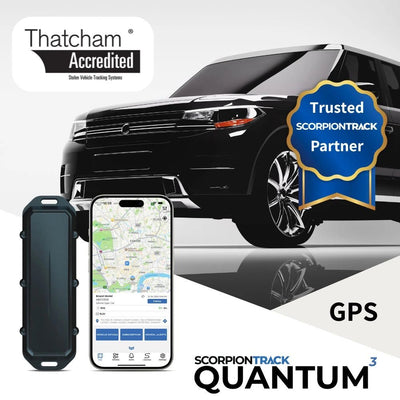
The single most valuable tool for secure vehicle management is real-time GPS tracking. When a crew is out on a high-risk run, your control room needs to see exactly where they are at every moment, not where they were an hour ago.
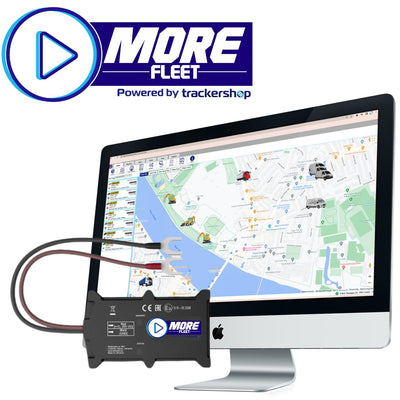
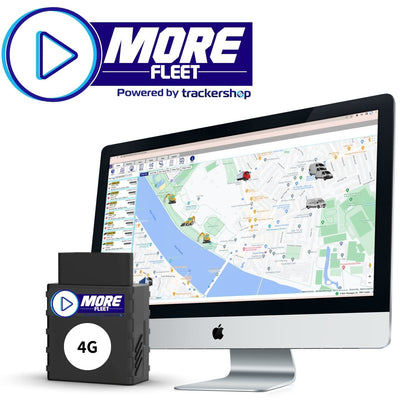
A live dashboard shows the precise location of every vehicle continuously. Dispatchers can confirm a crew has reached a collection point, monitor progress along a planned route, and spot the instant something looks wrong.
Spotting Trouble as It Happens
Real-time tracking does far more than reassure. If a vehicle stops unexpectedly, lingers too long at a location, or fails to reach its next scheduled point, the system flags it immediately. That speed matters enormously when an attack can unfold in seconds.
Instead of discovering a problem after the fact, your control room reacts while events are still unfolding. A rapid, informed response can be the difference between a foiled attempt and a serious loss.
Route Compliance and Geofencing
Predictable routes are a gift to would-be attackers. Route compliance turns that vulnerability into a controlled strength by ensuring crews follow only approved, risk-assessed journeys.
Geofencing sits at the heart of this. You draw virtual boundaries around approved routes, collection points, and secure depots on a digital map. The moment a vehicle strays outside a permitted zone, or deviates from its planned path, the system triggers an instant alert.
This control delivers several security benefits:
• Deviation alerts flag when a vehicle leaves its authorised route, prompting an immediate check
• Restricted zone warnings notify managers if a vehicle enters a known high-risk area
• Timing checks confirm crews are keeping to schedule, so delays are investigated quickly
• Arrival and departure logs create a precise record of every stop
Varying routes and monitoring compliance in real time removes the predictability that criminals rely on. To see how geofencing and route monitoring combine into a single, practical system, explore the fleet tracking solutions from MoreFleet, built for the specific demands of secure cash-in-transit work.
Protecting Driver and Crew Safety
The people moving cash face genuine, measurable danger every shift. Their safety must sit at the centre of any cash-in-transit strategy, and fleet tracking provides the tools to protect them.
Panic Buttons and SOS Integration
Many fleet tracking platforms support in-vehicle panic buttons or discreet SOS triggers. When a crew member faces a threat, a single press sends an instant distress signal to the control room, complete with exact GPS coordinates.
That direct lifeline transforms a crew's ability to summon help. Responders and police receive a precise location in seconds, rather than relying on a panicked, interrupted phone call. In a confrontation, those seconds count.
Lone Worker Protection
Cash-in-transit crews are often small, and some collection runs leave individuals exposed. Lone worker protection features, including automated check-ins and movement alerts, ensure no one is truly on their own.
If a crew member fails to check in, or a vehicle behaves unexpectedly, managers are prompted to act. This constant, quiet oversight protects staff during the most vulnerable moments of any journey.
Compliance Monitoring and Audit Trails
Regulatory scrutiny in the cash-in-transit sector is intense, and demonstrating compliance requires hard evidence rather than good intentions. Telematics turns a heavy administrative burden into an automated, audit-ready process.
A strong cash-in-transit fleet tracking system should support:
• Digital daily walkaround checks with instant defect reporting
• Automated MOT and service reminders based on real mileage
• Driver licence and DVLA verification
• Time-stamped journey and route records for incident review
• Detailed logs supporting SIA and insurance requirements
When an insurer, regulator, or investigator requests evidence, you produce accurate records in minutes rather than days. That speed protects your licence, your contracts, and your standing with the clients who trust you with their valuables.
This evidence trail also strengthens your duty of care. Should an incident ever be scrutinised, time-stamped data proves your business took its security and safety obligations seriously.
Rapid Incident Response and Recovery
Even the best-run operation can face an attack, a breakdown, or an emergency. What separates a controlled outcome from a disaster is the speed and quality of your response.
Fleet tracking works as a silent guardian throughout every shift. If a vehicle is hijacked or stolen, live location tracking dramatically improves the chances of recovery. You can pass exact, real-time coordinates to the police, turning a fast-moving crisis into a coordinated pursuit.
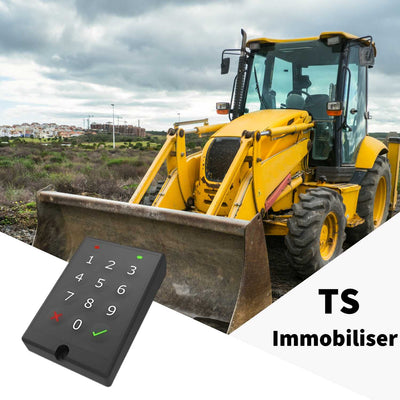
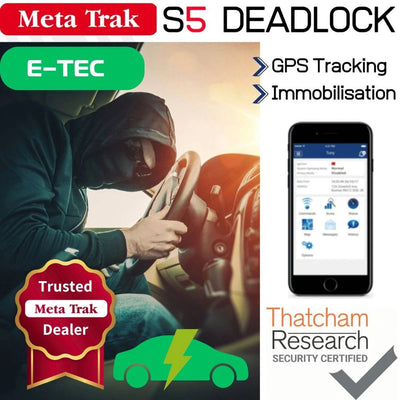
Some systems also integrate with immobilisation technology, allowing authorised staff to prevent a compromised vehicle from being driven further. Combined with instant alerts and precise location data, this gives your control room genuine power to intervene when it matters most.
Controlling Costs Without Compromising Security
Security is the priority, but a well-managed cash-in-transit fleet also runs efficiently. Telematics turns vague operational spending into clear, actionable data.
Idling and inefficient routing quietly drain budgets. Vehicles left running at collection points, or crews taking longer routes than necessary, burn fuel for no benefit. Telematics pinpoints where this waste happens, giving managers something concrete to address without ever undermining route security.
Usage-based maintenance scheduling adds further value. By servicing vehicles on real mileage and engine hours, you avoid unexpected breakdowns that could leave a cash-laden vehicle stranded in a vulnerable position. Proactive maintenance keeps every vehicle roadworthy, reliable, and ready for duty.
Common Mistakes to Avoid
Even with the right technology, a few errors weaken security and undermine value. Watch for these.
• Collecting data but never acting on it. Alerts and reports only protect crews when they drive real decisions and rapid responses.
• Leaving no one to monitor alerts. Real-time tracking is useless if nobody in the control room is watching and empowered to act.
• Using fixed, predictable routes. Failing to vary journeys and enforce route compliance hands an advantage to criminals.
• Treating compliance as a one-off task. Regulations, contracts, and threats evolve, so reviews must be continuous.
• Overlooking crew engagement. Introduce tracking as protection for staff, not surveillance, and adoption improves markedly.
Building a Smarter Cash-in-Transit Strategy
The strongest operators treat telematics as an everyday security tool, not a passive record. Start by mapping the specific risks of your operation, whether that is attack, route predictability, or lone working, then configure your system to address each one directly.
Next, ensure your control room is always staffed and empowered to respond to alerts the instant they fire. Real-time data only protects your crews when it triggers real-time action. Finally, build in regular reviews of route compliance, driver safety, and incident data so insights reach the people who can act on them.
Consistency is what separates a secure operation from a reactive one. A disciplined weekly review of your tracking data keeps crews safe, routes unpredictable, and the whole operation accountable.
Conclusion
Cash-in-transit work carries a level of risk that few other fleet operations face. Success depends on reliable data sitting behind every decision. Strong fleet tracking delivers the real-time visibility, route compliance, driver safety, and regulatory evidence that keep secure vehicle operations protected at every stage of the journey.
The operators who get this right are those that plan for the threats specifically, act on their data consistently, and keep their control room ready to respond whenever an alert fires. Do that, and you protect not only the cargo, but the people who move it.
Ready to bring genuine security and control to your cash-in-transit operation? Discover how the vehicle fleet tracking platform from MoreFleet can help you safeguard crews, enforce route compliance, and improve operational security across your entire fleet.