Key Takeaways Fleet Management for Construction Companies
• Total Asset Visibility: Tracking extends beyond vans to excavators, generators, and expensive plant machinery, preventing theft and unauthorised use.
• Maximised Equipment Utilisation: Identifying idle equipment allows for better allocation across sites, reducing the need for unnecessary rentals.
• Enhanced Project Cost Control: Accurate data on engine hours and fuel usage helps project managers stick to tight budgets and bid more accurately.
• Preventative Maintenance: Automated alerts based on actual usage hours ensure machinery is serviced on time, preventing costly on-site breakdowns.
• Site Security & Geofencing: Virtual perimeters alert managers immediately if an asset leaves a construction site unexpectedly, aiding rapid recovery.
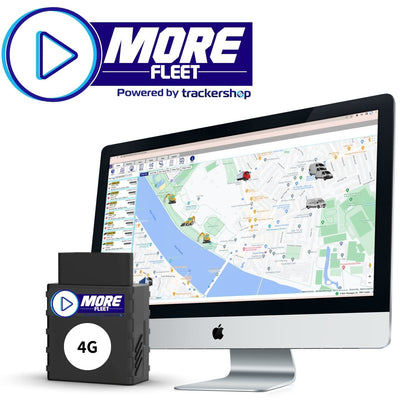
Fleet management for construction companies is a specialised discipline that goes far beyond simple vehicle tracking; it involves the comprehensive real-time monitoring of mixed assets from transit vans to heavy plant machinery to ensure optimal equipment utilisation, rigorous cost control, and project efficiency. Unlike standard logistics, construction fleets operate in rugged, changing environments where the location and condition of an asset can make or break a project's timeline. By implementing a robust fleet management system from MoreFleet, construction firms can gain total visibility over their operations, turning disjointed site data into actionable insights that drive profitability and security.

The Unique Challenges of Construction Fleets
Managing a construction fleet is inherently more complex than managing a delivery fleet. You aren't just moving goods from A to B; you are deploying expensive, specialised equipment to various temporary sites.
The challenges are multifaceted:
• Mixed Assets: A typical fleet includes HGVs, light commercial vehicles (LCVs), and non-powered assets like trailers or generators.
• Rough Terrain: Equipment is often located off-road, where standard GPS signals might struggle without specialised hardware.
• High Theft Risk: Construction plant machinery is a prime target for thieves due to its high resale value and often remote storage locations.
• Fuel Wastage: Heavy machinery consumes vast amounts of fuel, and idling is a significant, often unmonitored, expense.
Without a centralised system, managers are often left guessing where equipment is, whether it is being used, or if it requires maintenance. This lack of visibility leads to bloated operational costs and delayed projects.
Maximising Equipment Utilisation
One of the biggest money pits in construction is underutilised equipment. It is common for a site manager to request a rental excavator because they believe the company's own units are all in use. In reality, a unit might be sitting idle on a site just ten miles away.
eliminating "Ghost" Assets
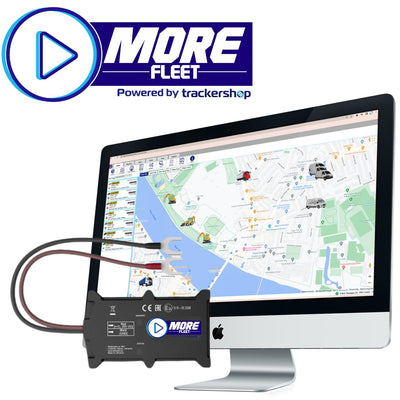
Effective fleet management software provides a live map of every asset. You can instantly see which machines are active and which have been sitting stationary for days.
This data allows for smarter allocation. Instead of renting extra kit, you can redeploy your existing assets where they are needed most. This simple shift in visibility can save thousands of pounds in rental fees per month.
Accurate Engine Hours
Tracking engine hours is crucial for billing and maintenance. Rather than relying on manual timesheets which are prone to error or exaggeration telematics devices record the exact runtime of the engine. This ensures that you are billing clients accurately for equipment time and that your project efficiency metrics are based on hard data.
Strengthening Site Security
Theft is a constant threat in the construction industry. The cost isn't just the replacement of the machine; it's the downtime caused by the delay.
Geofencing Technology
Modern fleet management systems allow you to set up virtual perimeters, known as geofences, around your construction sites and depots.
If a piece of machinery moves outside this designated zone especially out of hours an alert is triggered immediately. This allows for a rapid response, significantly increasing the chances of recovery.
Immobilisation
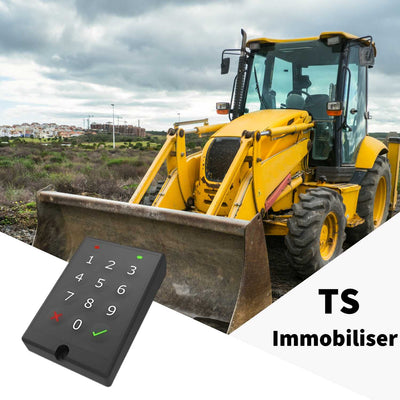
Advanced systems can even allow for remote immobilisation. If a theft is detected, the fleet manager can send a command to the vehicle or machine to prevent the engine from restarting once it has been turned off.
To see how these security features can protect your bottom line, explore the construction equipment tracking solutions available through MoreFleet.
Cost Control Through Fuel and Maintenance Management
Profit margins in construction are often tight. Controlling variable costs like fuel and repairs is essential for maintaining those margins.
Idling and Fuel Usage
Heavy machinery burns fuel at an alarming rate, particularly when idling. A crane or excavator left running while not in operation is burning cash.
Telematics systems monitor idling times and fuel burn rates. By identifying operators who habitually leave machines running, you can provide targeted feedback to change behaviour. Reducing idle time by just 10% across a fleet can result in massive fuel savings over a year.
Preventative Maintenance
Breakdowns on site are disastrous. They halt progress, leave crews standing around, and often incur emergency call-out fees for mechanics.
Fleet management software moves you from reactive repairs to preventative maintenance. By tracking actual engine hours or mileage, the system alerts you when a service is due. This allows you to schedule maintenance during downtime, ensuring that machines are in peak condition when they are needed most. It also extends the lifespan of your expensive assets, ensuring a better return on investment.
Improving Driver and Operator Safety
Construction sites are dangerous places. Ensuring the safety of your staff and compliance with health and safety regulations is paramount.
Behaviour Monitoring
Just as with road vehicles, the behaviour of plant operators can be monitored. Harsh usage of machinery not only damages the equipment but poses a risk to personnel on the ground.
Telematics data can highlight erratic operation, allowing safety managers to intervene with training before an accident occurs.
Compliance and Digital Checks
Daily safety checks are a legal requirement. Paper checklists are often lost or completed illegibly. Digital apps integrated into fleet management systems allow operators to complete their walk-around checks on a smartphone.
Photos of defects can be uploaded instantly, alerting the maintenance team to issues immediately. This digital audit trail is invaluable for proving compliance in the event of an inspection or incident.
Conclusion: Building a Smarter Future
The construction industry is digitising rapidly. Companies that stick to whiteboards and spreadsheets are finding it increasingly difficult to compete with those leveraging data to drive efficiency.
Fleet management for construction is about more than just knowing where your trucks are. It is about total control over your project's most valuable physical assets. It turns a chaotic mix of machinery and vehicles into a coordinated, efficient, and secure operation.
By investing in the right technology, you protect your assets, cut your overheads, and ensure your projects are delivered on time and on budget.
Ready to lay the foundations for a more efficient business? Discover the specialised fleet management tools for construction offered by MoreFleet and take control of your site operations today.