Key Takeaways Driver Behaviour Scoring and UK Fleet Insurance
• Premium Reduction: Driver behaviour scoring provides concrete evidence of safe driving, which can significantly lower UK fleet insurance premiums.
• Data-Driven Risk Assessment: Insurers use telematics data to move from broad assumptions to assessing the actual risk of your specific fleet.
• Proactive Safety Management: Scoring helps identify high-risk drivers for targeted training, reducing the likelihood of accidents before they happen.
• Faster Claims Resolution: In the event of an incident, telematics data can quickly establish fault, speeding up the claims process and protecting your drivers.
• Improved Fleet Health: Safer driving habits lead to less vehicle wear and tear, reducing maintenance costs alongside insurance expenses.
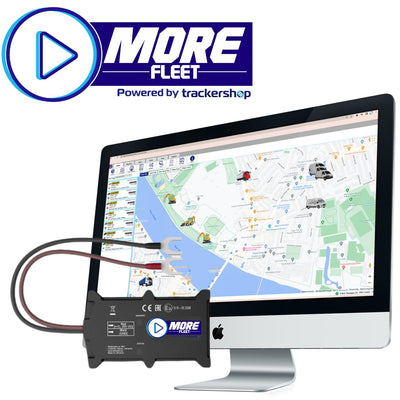
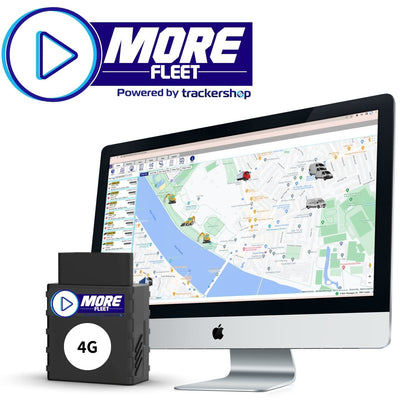
Driver behaviour scoring is a powerful tool that can significantly reduce fleet insurance premiums in the UK. By using telematics data to monitor and score driving habits, companies can provide insurers with objective proof of their commitment to safety, moving beyond traditional risk metrics like age and postcode. This data-backed approach demonstrates a lower risk profile, which insurers often reward with substantial discounts on annual premiums. For businesses looking to take control of spiralling insurance costs, implementing a system with robust driver behaviour scoring like MoreFleet is a proven strategy for achieving a better bottom line.

From Assumptions to Analytics: The Insurance Shift
Historically, fleet insurance in the UK has been calculated using broad, often blunt, statistical models. Insurers would look at factors such as the type of vehicles in your fleet, the age of your drivers, their claims history, and your geographical area of operation. While these factors are relevant, they paint an incomplete picture. This model penalises responsible fleets that happen to operate in a high-risk area or have younger drivers, regardless of their actual on-road performance.
The introduction of telematics and driver behaviour scoring has revolutionised this outdated approach. Insurers are increasingly moving towards Usage-Based Insurance (UBI). Instead of just asking "what could happen?", they can now ask "what is actually happening?".
This shift means your premium can be influenced by how your vehicles are driven, minute by minute, day by day. It puts the power back into the hands of the fleet operator. You are no longer just a passive recipient of a quote; you are an active participant in determining your risk level.
How Does Driver Behaviour Scoring Work?
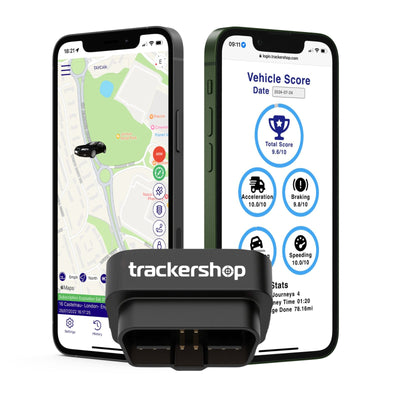
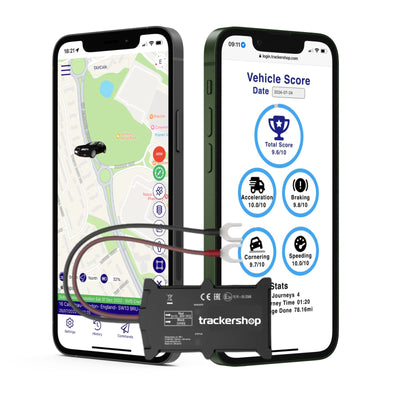
Driver behaviour scoring is a core function of modern fleet management systems. A telematics device installed in each vehicle collects data on specific actions that are strongly correlated with accident risk. The software platform then processes this data and assigns a score to each driver, typically out of 100.
Key Metrics That Influence Your Score
• Speeding: The system flags every instance of exceeding the legal speed limit. It doesn't just record the highest speed; it notes the duration and frequency of speeding events.
• Harsh Braking: Sudden, sharp braking is a key indicator of tailgating or a lack of forward awareness. It is a common precursor to rear-end collisions.
• Rapid Acceleration: Aggressive acceleration suggests an impatient driving style, wastes significant amounts of fuel, and puts unnecessary strain on the engine.
• Sharp Cornering: Taking corners or roundabouts too quickly can lead to a loss of vehicle control, especially in vans and larger commercial vehicles.
• Idling: While not a direct safety risk, excessive idling points to inefficiency and can correlate with a less disciplined approach to driving.
These individual events are weighted and aggregated to create an overall performance score. A driver who consistently avoids these behaviours will have a high score, while a driver who frequently triggers alerts will have a low one. This objective telematics data provides the foundation for negotiating with insurers.
Presenting Your Case to Insurers
When your insurance renewal comes up, you are no longer just submitting a list of vehicles and drivers. You can now present your insurer with a comprehensive data pack that demonstrates your fleet's safety culture.
You can show them:
• The average driver score across your entire fleet.
• The month-on-month improvement in driver scores as a result of your management.
• Evidence of how you have used the data to provide targeted training to underperforming drivers.
• A reduction in the number of speeding and harsh braking incidents over the policy period.
This evidence is compelling. It proves to the underwriter that your fleet represents a lower-than-average risk. Many insurers in the UK now offer specific telematics-based policies or will offer significant discounts to fleets that can provide this level of insight. The reduction in premiums can often be between 10-25%, which for a medium to large fleet, represents a substantial saving that can easily cover the cost of the tracking system itself.
Beyond Insurance: The Wider Benefits of Scoring
While the impact on insurance is a primary motivator, the benefits of implementing driver behaviour scoring ripple throughout the business.
Fostering a Culture of Safety
Scoring introduces accountability. When drivers can see their own performance and how it compares to their peers (often through a 'driver league table'), it encourages self-correction. This gamification turns safety into a positive and competitive element of the job, rather than a top-down mandate. It helps build a genuine culture of safer driving.
Reducing Accidents and Claims
The ultimate goal of scoring is to prevent accidents. By identifying and coaching drivers who exhibit risky behaviours, you can intervene before a minor habit becomes a major incident. Fewer accidents mean fewer claims, which is the most effective way to keep future insurance premiums low. It also protects your drivers from harm and your business from the disruption and costs associated with vehicle downtime.
Lowering Operational Costs
Safe driving is efficient driving. Smoother acceleration and braking reduce fuel consumption. Less speeding and aggressive cornering lead to reduced wear and tear on tyres, brakes, and suspension components. These operational savings contribute directly to your company's profitability, making the telematics system a cost-reduction tool on multiple fronts.
Conclusion: Take Control of Your Premiums
In the UK's competitive business environment, fleet insurance is a significant and often unpredictable expense. Driver behaviour scoring offers a clear path to taking control of this cost. It provides a transparent, data-driven method for demonstrating your commitment to road safety and proving that your fleet is a low-risk investment for insurers.
The technology is no longer a futuristic concept; it is a readily available tool that delivers a tangible return on investment. By embracing a system that prioritises safety analytics, you are not just ticking a box for an insurer you are creating a safer, more efficient, and more profitable operation for the long term.
Ready to see how data can drive down your insurance costs? Explore the advanced driver behaviour scoring and fleet insurance solutions from MoreFleet and start your journey to lower premiums today.