Key Takeaways GPS Tracker GDPR Compliance UK
• Legality: Using GPS trackers is legal in the UK, but processing and managing the data must comply with GDPR rules especially when used for tracking employees or their vehicles.
• Lawful Basis: Businesses need a justifiable "lawful basis" for tracking, typically "legitimate interest," but this must be balanced against the employee's right to privacy.
• Transparency is Crucial: Employers must clearly communicate when, why, and how tracking occurs. Written policies and open communication are essential. Covert tracking is rarely lawful.
• Data Minimisation: Collect only the minimum data necessary for your stated purpose. Tracking outside working hours or unnecessary collection can breach privacy rights.
• Robust Data Security: Secure handling, storage, and eventual deletion of tracking data is mandatory under GDPR. Employees have rights to access and challenge data held about them.
Ensuring your GPS trackers are GDPR compliant in the UK is critical for any business that uses them, particularly for vehicle and employee monitoring. While the use of these trackers is legal, strict data protection standards mean you need a legitimate purpose, must inform those being tracked, and must safeguard any information collected. Companies should consult the latest guidance and select secure, compliant devices such as those offered in our GPS Trackers range to stay within the law.

Understanding GDPR and GPS Vehicle Tracking
The General Data Protection Regulation (GDPR) affects all businesses handling personal data including location information collected by Car Trackers. If your organisation uses trackers to monitor fleet vehicles, you are potentially processing personal data whenever these vehicles are used by staff. GDPR demands that such processing be justified, proportionate, and transparent.
The Lawful Basis for Tracking
Under GDPR, organisations must establish a clear lawful basis before processing personal information. For GPS trackers used by employers, "legitimate interest" is the most common reason. This basis covers needs such as fleet management, improving security, and fulfilling regulatory or health and safety obligations. However, this interest must not outweigh employees' privacy rights. Employers should conduct a Legitimate Interests Assessment (LIA) before implementing tracking.
Transparency and Consent
Transparency is essential employees must be clearly informed, ideally in writing, about what is being tracked, when, why, and for what purpose. Covert tracking without employee knowledge is almost never lawful unless under very exceptional circumstances (e.g., police investigation with legal authorisation). Your company should have a written vehicle tracking policy, shared with and acknowledged by all relevant staff. Sample template policies and professional advice can often be found via reputable fleet security suppliers or HR services.
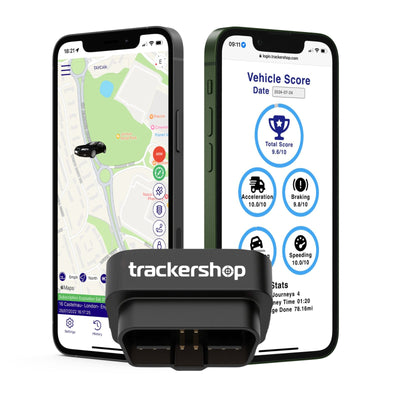
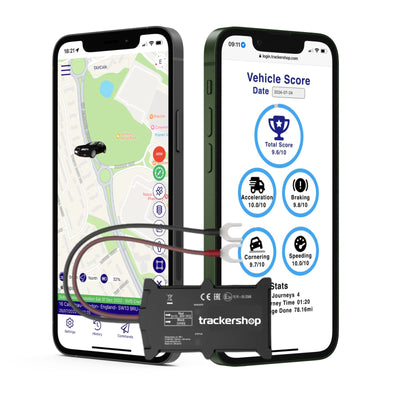
For businesses seeking peace of mind in both compliance and security, explore our Car Trackers selection for devices with advanced privacy controls.
Data Minimisation and Usage Limits
Under GDPR, you must only collect data needed for the stated purposes. Continuous monitoring outside of working hours or tracking employee vehicles for non-business use can breach privacy rights and attract penalties. Features like “work mode” or “private mode” in advanced Car Trackers can help you ensure compliance by only collecting data during agreed working periods. Always set clear limits and respect the boundaries of reasonable data collection.
Secure Data Handling and Employee Rights
Collected tracking data must be stored securely, protected from unauthorised access or accidental loss, and regularly reviewed. Only authorised personnel should access location data, and data should not be kept longer than necessary. GDPR also grants employees the right to access their data, correct any inaccuracies, and, in some circumstances, request deletion. Your internal procedures should make it easy for employees to exercise these rights.
If you want further reassurance that your tracking practices meet GDPR requirements, choosing reputable providers of GPS Trackers and Car Trackers can help ensure you’re using up-to-date, secure, and legal solutions.
Conclusion
Compliance with GDPR is not just a legal formality it's a critical part of building trust with your staff and safeguarding your business from penalties. The responsible and lawful use of GPS trackers and Car Trackers helps you protect your assets, optimise operations, and demonstrate professional, ethical leadership.
For guidance on secure, compliant tracking solutions or to browse a vetted selection of cutting-edge devices, visit our GPS Trackers and Car Trackers collections today. Make data protection and vehicle security a seamless part of your business.