Key Takeaways
• The single best all-round hiding place for a GPS tracker is inside the dashboard, because it is concealed, protected from the weather, and can be hardwired to the car's power supply.
• The strongest internal spots are the dashboard, behind the glove compartment, under the seats, the centre console, the boot, and the OBD-II port.
• The best external spots are the undercarriage, inside the bumpers, and the wheel well liners, all of which need a waterproof, magnetic tracker.
• Choose your spot by balancing four things: concealment, signal reception, power source, and how easily you can reach the device.
• You can only legally track a vehicle you own, or one whose driver has been told a tracker is fitted.
Finding the perfect place to hide a GPS tracker in a car comes down to your goal, but for the best mix of concealment and reliability, inside the dashboard wins. It keeps the device completely out of sight, shields it from the elements, and allows a hardwired connection to the car's power, so battery life is never a worry. Below are eleven proven hiding spots, ranked by how well they conceal the device and how strong a signal they hold. Our range of GPS Trackers includes options suited to every placement covered here.

Why Hide a GPS Tracker in a Car?
People fit hidden GPS trackers for security and peace of mind. For business owners they are essential for fleet management, monitoring vehicle locations, optimising routes, and preventing unauthorised use. For private owners they provide powerful anti-theft protection: if a car is stolen, a concealed tracker feeds real-time location data to the police and dramatically improves the odds of recovery. Parents also use them to keep an eye on a new teenage driver's whereabouts and driving habits.
The golden rule is simple. A tracker only protects you if a thief cannot find and remove it, so concealment matters just as much as the device itself.
Quick Comparison: The Best GPS Tracker Hiding Spots
| Hiding spot | Concealment | Signal strength | Power access | Best tracker type |
|---|---|---|---|---|
| Inside the dashboard | Excellent | Good | Hardwired | Hardwired |
| Behind the glove compartment | Very good | Good | Hardwired possible | Hardwired or battery |
| Under the seats | Good | Very good | Battery | Compact battery |
| Centre console | Good | Good | Battery | Compact battery |
| In the boot | Very good | Good | Battery | Battery |
| OBD-II port | Low | Good | Plug-in | Plug-and-play OBD |
| Under the chassis | Excellent | Very good | Battery | Waterproof magnetic |
| Inside the bumpers | Very good | Very good | Battery | Waterproof magnetic |
| Wheel well liner | Excellent | Good | Battery | Rugged waterproof |
Top Internal Hiding Spots for GPS Trackers
Placing a tracker inside the car gives the best protection from weather and tampering. These are the most effective internal locations.
1. Inside the Dashboard
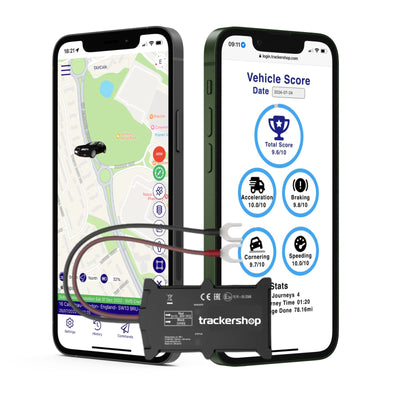
This is the prime location. It is the most discreet spot in the car, making the device almost impossible for a thief or unauthorised driver to find. A professional can hardwire the tracker straight into the vehicle's electrical system for a constant power source, so you get uninterrupted tracking with nothing to recharge. The dashboard's raised position also gives good satellite reception. For this spot, choose a hardwired vehicle tracker.
2. Behind the Glove Compartment
The cavity behind the glove box offers plenty of room and sits well out of sight. It is close enough to the dashboard wiring to allow a hardwired connection, yet still accessible if you ever need to reach the device. Because it is a hidden void rather than the glove box itself, a casual search will not reveal it.
3. Under the Seats
Tucking a tracker beneath a driver or passenger seat is quick and easy. The gap between the seat and the floor, or within the seat frame, offers good concealment and excellent signal reception. A small, battery-powered tracker is ideal here. Just fix it firmly so it is not dislodged by feet or seat adjustment.
4. In the Centre Console
The storage bin inside the centre console, or the space behind it, is another discreet option that keeps the tracker central to the vehicle for a steady signal. A slim, battery-powered device works best, secured with adhesive or a hook-and-loop pad so it stays put.
5. In the Boot
The boot has numerous hiding places: inside the spare tyre well, tucked into a side storage panel, or fixed to the underside of the rear parcel shelf. This keeps the device well hidden from anyone glancing into the car. Signal strength is generally good, though it is worth testing before you settle on the exact position.
6. The OBD-II Port
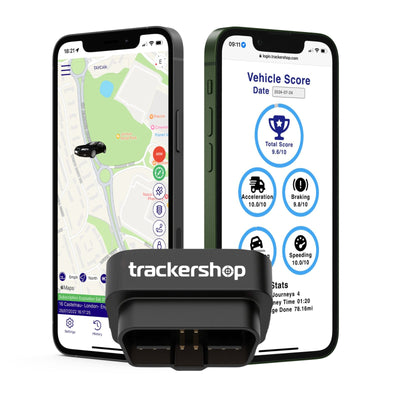
Most vehicles built after 1996 have an OBD-II port under the dashboard on the driver's side. Plug-and-play trackers connect directly to it, install in seconds, and draw power from the car. It is more obvious than the other spots, so it suits situations where covert tracking is not the priority, such as consented fleet or driver monitoring. If you want the easiest possible setup, explore our OBD GPS trackers.
Best External Hiding Spots for GPS Trackers
If you need a faster fit or cannot access the interior, the car's exterior is a viable alternative. These spots demand a tracker that is both waterproof and strongly magnetic. Browse our magnetic GPS trackers for devices built for this.
7. Underneath the Chassis
The undercarriage offers a large area to hide a magnetic tracker on the metal frame. Aim for a flat, clean surface away from the hot exhaust and any moving parts. Once fitted, the device is very hard to spot without someone deliberately looking under the vehicle, and the open position gives strong signal.
8. Inside the Bumpers
Front and rear bumpers often have voids perfect for concealment. A small magnetic device sits securely inside the plastic cover, shielded from direct exposure yet well out of sight. Attach it to a metal part of the frame within the bumper for a firm hold.
9. In the Wheel Wells
The plastic wheel well liner can hide a compact, rugged tracker behind it. This is highly covert, but it is also one of the dirtiest and wettest parts of the car, so use a device with a high waterproof rating and check it periodically to keep it clean and secure.
Spots to Avoid
Not every hiding place works. Steer clear of the engine bay, where heat can damage the device and surrounding metal blocks the signal, and avoid burying the tracker deep inside metal enclosures. The glove box interior and door pockets are also poor choices because they are the first places a thief looks.
How to Choose the Right Hiding Spot
Before you commit to a location, weigh up these four factors.
Power source. A hardwired tracker needs access to the vehicle's wiring, which limits it to spots like the dashboard or glove compartment cavity. A battery-powered device gives you more freedom but must be retrieved to recharge.
Signal reception. GPS trackers need a clear line to the sky to reach the satellites. They work from inside a car, but avoid fully metal-enclosed spaces such as the engine bay, which can block the signal.
Concealment. The harder the spot is for a thief to reach and inspect, the better. The best anti-theft placements are the ones a device thief would never think to check.
Legality. You can legally track a vehicle you own. If others use it, such as family or employees, you must tell them a tracker is fitted. Placing a tracker on a vehicle you do not own, without the owner's consent, is illegal.
Worried a Tracker Has Been Hidden on Your Car?
The same spots that make good hiding places are the first places to check if you suspect an unwanted device on your own vehicle. Inspect the wheel wells, under the bumpers, along the undercarriage, and under the seats, and look for any small box with a magnetic casing or a short aerial. A physical search covers most cases, and a professional inspection can confirm it. Protecting your own privacy is exactly why understanding these locations matters.
Which GPS Tracker Suits Your Chosen Spot?
• For dashboard or hardwired installs, choose a hardwired GPS tracker.
• For under-seat, boot, or console placement, a compact battery-powered tracker is ideal.
• For any external spot, you need a waterproof magnetic tracker.
• For instant, no-install tracking, an OBD plug-in tracker is the simplest option.
• For the strongest theft protection and recovery, consider an insurance approved tracker.
Choosing the right spot is all about balancing concealment, power, and signal. Get those three right and your tracker will quietly do its job for years. To find the ideal device for your vehicle, browse our full range of GPS Trackers and boost your vehicle's security today.
Frequently Asked Questions
Where is the best place to hide a GPS tracker in a car? Inside the dashboard is the best all-round spot. It is fully concealed, protected from the weather, and can be hardwired to the car's power so it never needs recharging, while still holding a strong satellite signal.
Can a GPS tracker work hidden under the car? Yes. The undercarriage actually gives strong signal because the device faces the open sky. It must be a waterproof, magnetic tracker, fixed to clean metal away from the exhaust and moving parts.
How do I find a hidden GPS tracker in my car? Check the wheel wells, under the bumpers, along the undercarriage, under the seats, and inside the boot. Look for a small box, often with a magnetic casing or short aerial. A professional inspection can confirm anything you are unsure about.
Is it legal to put a GPS tracker in a car? You can legally track any vehicle you own. If someone else drives it, such as a family member or employee, you must tell them a tracker is fitted. Tracking a vehicle you do not own without consent is illegal.
Do GPS trackers need to be near a window? No. Trackers work from concealed positions inside the car, including the dashboard and boot. They only struggle when fully enclosed in metal, such as the engine bay, so keep them clear of heavy metal shielding.