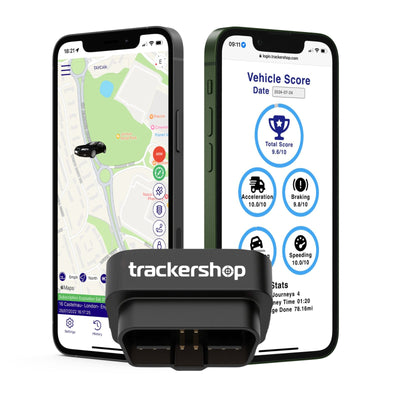
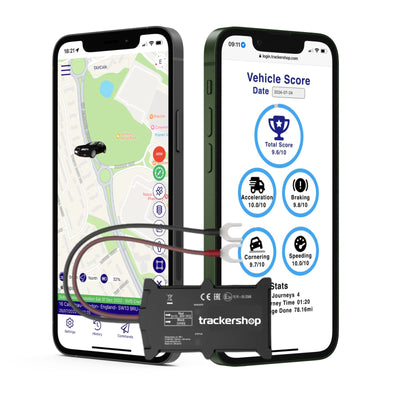
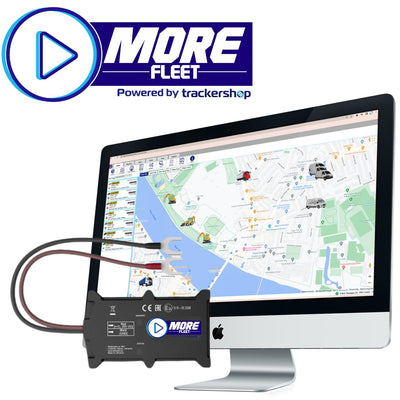
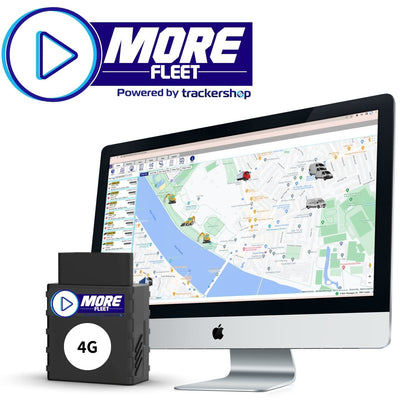
A fleet tracking system collects a comprehensive range of telemetry data, primarily focusing on real-time vehicle location, speed, fuel usage, driver behaviour metrics (such as harsh braking or rapid acceleration), and engine diagnostics for maintenance needs. This steady stream of information allows fleet managers to gain total visibility over their mobile assets, transforming raw numbers into actionable insights for efficiency and safety. For businesses seeking to harness this data to streamline operations, robust fleet tracking solutions from MoreFleet provide the precise analytics needed to make smarter decisions.

The Core of Telematics Data
At its heart, fleet tracking is powered by telematics a convergence of telecommunications and informatics. While many people assume these systems simply put dots on a map, the reality is far more sophisticated. Modern telematics devices interface directly with a vehicle's On-Board Diagnostics (OBD) port or CAN bus system, effectively listening to the vehicle's internal computer.
This connection allows the system to pull a wealth of granular data points every few seconds. This data is then transmitted via cellular networks to a central server, where it is processed and presented on a dashboard for the fleet manager. Understanding exactly what is being recorded is the first step in unlocking the potential of your fleet.
1. Location and Route History
The most fundamental data point is GPS location. However, it goes beyond just knowing where a van or lorry is right now.
• Real-Time Coordinates: The system pings the vehicle's latitude and longitude constantly, allowing for live tracking on a digital map.
• Historical Route Playback: The software stores historical data, allowing managers to replay a specific journey. You can see exactly which route a driver took, where they stopped, and for how long.
• Geofencing Alerts: Managers can set virtual boundaries (geofences). The system collects data on when a vehicle enters or exits these specific zones, such as a depot or a customer site.
2. Speed and Safety Metrics
Safety is a primary concern for any fleet operator. Telematics data is crucial for monitoring compliance and risk.
• Speed Tracking: The system records the vehicle's speed and compares it against the posted speed limit of the road it is travelling on. This highlights speeding incidents immediately.
• Driver Behaviour Monitoring: Advanced accelerometers within the tracking unit detect G-force events. This allows the system to log instances of harsh braking, rapid acceleration, and aggressive cornering.
• Seatbelt Usage: In many modern integrations, the system can even detect if the driver and passengers are wearing seatbelts while the vehicle is in motion.
By analysing this driver behaviour monitoring data, companies can identify at-risk drivers and provide targeted coaching, ultimately reducing accident rates and insurance premiums.
Operational and Diagnostic Data
Beyond the driver's actions, a fleet tracking system collects vital information about the health and operation of the vehicle itself. This is where significant cost savings are often found.
3. Fuel Consumption and Efficiency
Fuel is often the largest variable cost for a fleet. Tracking systems help managers get a grip on this expense by collecting precise fuel data.
• MPG Tracking: The system calculates the exact Miles Per Gallon (MPG) for each trip, highlighting which vehicles or drivers are burning excessive fuel.
• Idling Times: Excessive idling is a major waste of fuel. The system tracks exactly how long an engine is left running while the vehicle is stationary.
• Fuel Level and Refuelling: Some systems can interface with fuel cards or the fuel tank sensor to verify refuelling events, helping to prevent fuel theft or discrepancies.
4. Engine Health and Maintenance
Preventative maintenance is cheaper than reactive repairs. Vehicle tracking systems act as an early warning system for mechanical issues.
• Diagnostic Trouble Codes (DTCs): If a warning light appears on the dashboard, the telematics device often reads the specific error code. This tells the fleet manager exactly what is wrong (e.g., an oxygen sensor failure) before the vehicle returns to the depot.
• Battery Voltage: The system monitors battery health, alerting managers to dropping voltage levels which could result in a non-start situation on a cold morning.
• Service Reminders: The software tracks odometer readings and engine hours to automate service scheduling, ensuring no vehicle misses a vital inspection.
5. Compliance and Status Data
For commercial fleets, staying on the right side of the law is non-negotiable.
• Tachograph Data: For heavy goods vehicles (HGVs), systems can remotely download digital tachograph data, ensuring drivers are adhering to driving hour regulations without the need for manual downloads.
• PTO (Power Take-Off) Usage: For specialised vehicles like cement mixers or waste trucks, the system tracks when auxiliary equipment is being engaged and for how long.
Transforming Data into Strategy
The volume of data collected by a fleet tracking system can seem overwhelming, but the goal is not to drown in spreadsheets. The objective is to use this 'big data' to answer simple, critical business questions.
• Are my drivers safe?
• Are my vehicles healthy?
• Are we operating efficiently?
By consolidating location, behaviour, and diagnostic data, you move from a reactive management style to a proactive one. You stop guessing why fuel costs are high and start seeing the idling trends that cause them. You stop worrying about when the next MOT is due and let the system remind you.
To truly leverage this information, you need a platform that makes the data easy to interpret. A comprehensive vehicle tracking system from MoreFleet organises these millions of data points into clear, user-friendly reports, putting you in complete control of your fleet's performance.