Key Takeaways How Police Use GPS Evidence in Vehicle Theft Cases
• GPS tracking data is now used routinely by UK police to locate stolen vehicles, build criminal cases, and secure prosecutions.
• Car Trackers create a digital record of every journey, including timestamps, speeds, and precise coordinates, all of which can be submitted as evidence in court.
• Monitored tracking systems with Secure Operating Centres give police a direct intelligence feed, dramatically improving recovery speed and conviction rates.
• The earlier a tracker alert is raised, the better the outcome swift reporting gives police the best chance of catching thieves in the act.
• Installing GPS Trackers before a theft occurs is the only way to benefit from this evidence chain fitting a device after the event is too late.
Vehicle theft costs UK owners billions of pounds each year. Yet despite this, many drivers still rely on standard alarms and steering locks that modern criminals bypass in seconds. The truth is that GPS Trackers have fundamentally changed how police investigate and prosecute vehicle theft and understanding how that process works can help you make smarter decisions about protecting your own vehicle. If you want to benefit from the same evidence-gathering technology that UK police rely on, explore our range of professional Car Trackers designed for exactly this purpose.
Why GPS Data Has Become Central to Vehicle Crime Investigations
Organised vehicle theft has become increasingly sophisticated. Criminals use relay amplifiers, OBD port devices, and signal repeaters to steal modern keyless cars without leaving a single trace of forced entry. Traditional forensic methods fingerprints, witness statements, CCTV footage often yield little in these cases.
GPS data fills that gap. When a vehicle is fitted with a tracking device, it creates an unbroken digital trail from the moment it moves. That trail does not lie, degrade, or forget. It records exactly where the vehicle went, when it stopped, how fast it travelled, and which routes were taken.
For investigating officers, this kind of precise, timestamped data is enormously valuable. It corroborates witness accounts, disproves alibis, and places suspects at the scene at specific times. In many modern prosecutions, GPS evidence has proven to be one of the most compelling pieces of data the Crown Prosecution Service (CPS) can present.
How Tracking Data Is Used During a Live Theft
When a vehicle fitted with a monitored tracker is stolen, a sequence of events unfolds quickly.
The alert is raised immediately
Most professional GPS Trackers are connected to a 24/7 Secure Operating Centre (SOC). The moment an unauthorised movement is detected either through motion sensors, ignition status, or the absence of a driver recognition tag the SOC receives an automatic alert. Operators then contact the vehicle owner to confirm the theft is genuine before notifying police.
This live handover of information is critical. Rather than an owner phoning 999 and describing a missing car, police receive a live location feed directly from the monitoring centre. Officers can be directed to the vehicle's current position in real time.
Police receive actionable intelligence, not just a report
There is a significant difference between a theft report and a live GPS feed. With a monitored system, police know where the vehicle is right now, which direction it is travelling, and how fast it is moving. That level of actionable intelligence allows for coordinated responses, road closures, and interceptions that would otherwise be impossible.
This direct collaboration between tracking providers and police forces is one reason why professionally monitored Car Trackers achieve substantially higher recovery rates than unmonitored devices.
How GPS Data Is Used as Evidence in Court
Recovery is only part of the picture. GPS data also plays a significant role in building the criminal case that follows.
Creating a verified timeline
Tracking data logs every position update with a precise timestamp. This allows investigators to reconstruct a complete timeline of the vehicle's movements from the moment of theft. Courts can see exactly when the car left the owner's property, which roads it used, where it stopped, and for how long.
This kind of objective, digital timeline is far more persuasive than verbal testimony alone. It is consistent, independently verifiable, and difficult to challenge.
Placing suspects at specific locations
If a suspect claims they were not at a particular location at a given time, GPS evidence from a stolen vehicle can directly contradict that claim. Combined with ANPR (Automatic Number Plate Recognition) data and CCTV, tracker logs can establish a clear pattern of movement that links individuals to criminal activity.
GPS Trackers essentially turn a vehicle into a silent witness, recording everything without judgment or fallibility.
Supporting charges related to organised crime
Many vehicle thefts in the UK are not isolated incidents. They are carried out by organised gangs who steal to order, moving vehicles through a network of chop shops, storage locations, and export routes. GPS data can reveal these patterns across multiple incidents.
When investigators analyse location history across several linked thefts, they can map criminal networks, identify drop-off points, and support wider prosecutions that go well beyond a single stolen car. To ensure your own vehicle contributes to this evidence chain rather than disappearing without a trace, browse our selection of GPS Trackers and protect your asset today.
The Legal Status of GPS Tracking Evidence in the UK
GPS data collected by professionally installed tracking devices is legally admissible in UK courts. For evidence to be accepted, it must meet standards of reliability and integrity. Reputable tracking providers maintain data logs that are securely stored, time-stamped, and auditable, meeting the requirements set by the Police and Criminal Evidence Act 1984 (PACE) and associated codes of practice.
This is another reason why the quality of your tracking provider matters. Consumer-grade or unmanaged devices may not store data in a format that meets evidential standards. Professionally managed systems are built with this in mind.
What Happens When a Vehicle Has No Tracker
Without a tracking device, the investigation changes dramatically. Police have no live location data, no journey history, and no timestamped movement record. They rely entirely on CCTV coverage which is patchy in many areas ANPR reads, and whatever forensic evidence may have been left behind.
In practice, this means a significant number of stolen vehicles are never recovered, or are only found once they have been stripped, resprayed, or shipped abroad. Even when a suspect is identified, proving they were in possession of the vehicle at a specific time becomes far more difficult.
The absence of a tracker does not just reduce the chance of recovery. It reduces the chance of prosecution.
How Automatic Driver Recognition Strengthens the Evidence Chain
Many advanced Car Trackers include Automatic Driver Recognition (ADR) technology. This system requires the authorised driver to carry a small electronic tag. If the vehicle moves without the tag present, the system immediately flags the movement as unauthorised.
From an evidence perspective, ADR data is powerful. It proves not only that the vehicle moved, but that it moved without the owner's consent. That distinction matters enormously in court, particularly in cases where a defendant argues the vehicle was borrowed or the owner gave permission.
Practical Steps to Make Your Vehicle Part of the Evidence Chain
Understanding how police use GPS evidence only helps you if your vehicle is already equipped. Here is what you should do:
Install a professionally monitored tracker. A device connected to a 24/7 SOC gives police a live data feed, not just a historical log. That speed advantage can mean the difference between a recovery and a write-off.
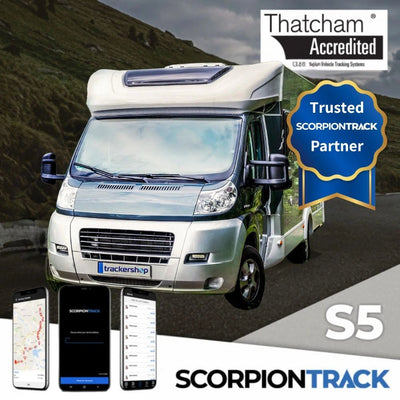
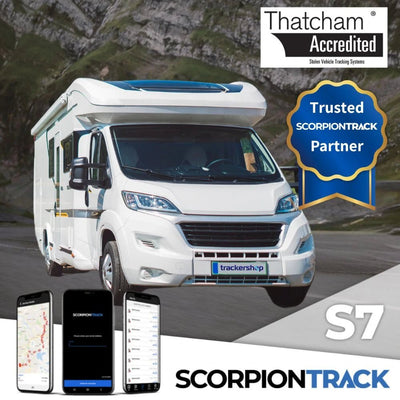
Choose a Thatcham-approved device. Thatcham certification particularly S5 or S7 indicates the device meets rigorous security and evidential standards recognised by UK insurers and law enforcement.
Keep your account details current. A tracked vehicle is only useful if your SOC can reach you quickly. Keep your contact information, emergency contacts, and vehicle details up to date at all times.
Report theft immediately. If your vehicle is stolen, call 101 or 999 first, obtain a Crime Reference Number, and then contact your tracking provider. The SOC can only share live data with police once a formal report is in place.
Conclusion: Your Tracker Is Part of a Wider Justice System
Most drivers think of a GPS tracker as a personal security device. It is that but it is also something more. When used properly, it becomes part of a wider system of detection, recovery, and prosecution that makes vehicle crime harder to commit and easier to prosecute.
UK police increasingly depend on this technology to build cases that result in real convictions. Every professional tracking device fitted to a vehicle makes the road a slightly less profitable place for criminals to operate. Do not wait until your vehicle is gone to think about your security. Protect your asset, support better policing, and give yourself the best chance of a fast recovery by investing in one of our professional Car Trackers today.