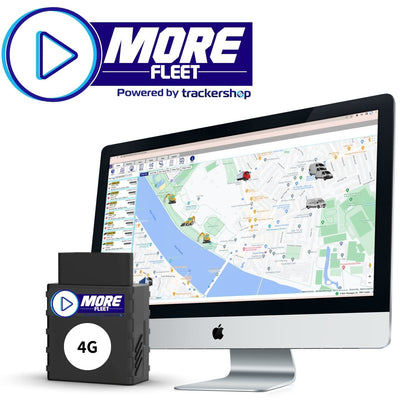
Yes, driver behaviour tracking demonstrably reduces accidents. By monitoring key driving metrics, fleet managers can promote safer driving habits, identify potential risks, and use actionable data to prevent incidents before they happen. This proactive approach to fleet safety not only protects your drivers and the public but also safeguards your vehicles and business reputation. For companies looking to enhance safety and efficiency, implementing a comprehensive fleet tracking solution like MoreFleet is a crucial first step.

The Mechanics of Driver Behaviour Monitoring
So, how does it all work? Driver behaviour monitoring systems use a combination of GPS technology and telematics devices installed in vehicles. These devices collect real-time data on a wide range of actions and events. This isn't about watching a driver's every move; it's about gathering objective data to build a clear picture of on-road habits.
Key Metrics Tracked
Most advanced systems focus on specific behaviours that are common contributors to road accidents. These include:
• Speeding: The system flags instances of exceeding the legal speed limit or driving too fast for the conditions.
• Harsh Braking: Sudden, sharp braking often indicates tailgating or a lack of awareness, increasing the risk of rear-end collisions.
• Rapid Acceleration: Aggressive acceleration wastes fuel and can be a sign of impatient or reckless driving.
• Sharp Cornering: Taking corners too quickly can lead to loss of vehicle control, especially in larger commercial vehicles.
• Idling Time: While not a direct safety risk, excessive idling highlights inefficiency, which can correlate with a less disciplined driving style.
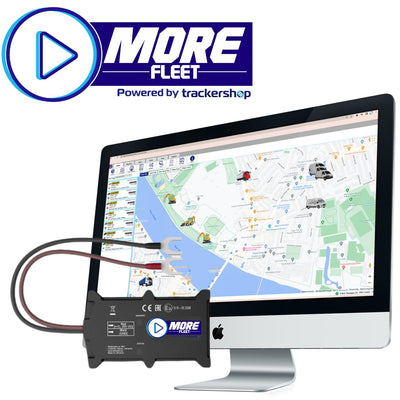
This data is then transmitted back to a central software platform, where it is compiled into easy-to-read reports and alerts. This allows fleet managers to move from guesswork to a data-driven safety strategy.
From Data to Accident Reduction: A Practical Approach
Simply collecting data is not enough. The real value of driver behaviour tracking lies in how you use the insights to foster a culture of safer driving.
Identifying At-Risk Drivers
The data immediately highlights which drivers are consistently exhibiting risky behaviours. A driver who frequently speeds or brakes harshly is statistically more likely to be involved in an accident. With this information, managers can intervene proactively. This intervention doesn't have to be punitive. It's an opportunity for a constructive conversation and targeted training to address specific habits.
Enabling Targeted Training and Coaching
Instead of generic safety briefings, you can provide personalised coaching. If a driver consistently struggles with harsh cornering, you can offer specific training on vehicle handling and load distribution. This focused approach is far more effective than a one-size-fits-all policy. It shows employees that you are invested in their professional development and personal safety, rather than just punishing mistakes. A powerful driver behaviour monitoring system provides the evidence needed to make this coaching impactful.
Fostering Healthy Competition with Gamification
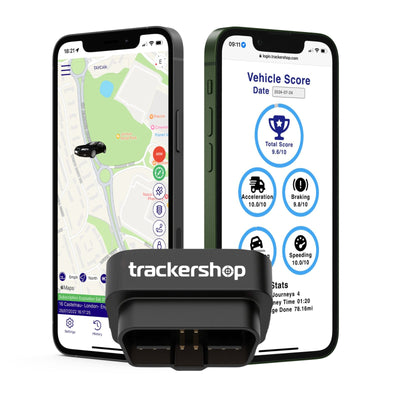
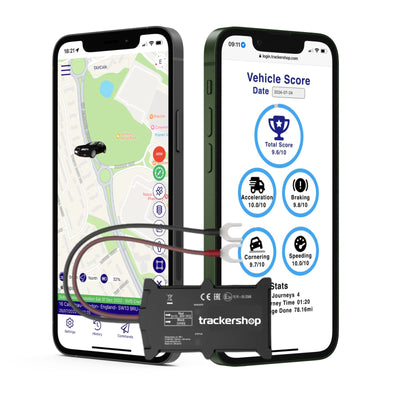
Many tracking systems include driver league tables or scoring systems. This can turn safety into a positive, competitive element within the team. Drivers are scored based on their performance against the key metrics, with rewards or recognition for the safest drivers. This gamification encourages self-correction and peer accountability, making everyone more conscious of their actions behind the wheel. The result is a natural improvement in driving standards across the entire fleet.
The Wider Business Benefits of Safer Driving
The primary goal of driver behaviour monitoring is accident reduction, but the positive effects extend far beyond that single objective.
Lowering Operational Costs
Safer driving is more efficient driving. Reducing instances of speeding, rapid acceleration, and harsh braking directly cuts fuel consumption. Fewer accidents mean lower repair bills, reduced vehicle downtime, and, crucially, a decrease in insurance premiums. Insurers often look favourably upon fleets that can demonstrate a commitment to safety with telematics data, offering significant discounts.
Enhancing Vehicle Longevity
A smoother driving style puts less strain on a vehicle's engine, brakes, tyres, and suspension. This translates to reduced wear and tear, meaning fewer trips to the garage and a longer operational lifespan for your valuable assets. Proactive maintenance alerts from telematics systems can also help you fix small issues before they become major, costly problems.
Improving Your Company's Reputation
Every vehicle with your company's logo on it is a mobile advertisement. A driver behaving recklessly reflects poorly on your brand. Conversely, a fleet known for its safe and courteous drivers builds public trust and enhances your professional reputation. In the event of an incident, having telematics data can also provide crucial evidence to exonerate a driver who was not at fault, protecting them and the business from false claims.
Ultimately, investing in driver behaviour tracking is an investment in a safer, more efficient, and more professional operation. The data provides undeniable proof that by understanding how your vehicles are being driven, you can take decisive action to prevent accidents and build a stronger business.
Ready to see how data-driven insights can transform your fleet's safety record? Explore the advanced features of MoreFleet's fleet tracking solutions and take control of your accident reduction strategy today.