Fleets can transition from outdated paper logs to a streamlined digital system by adopting comprehensive fleet management tools. Moving to a digital platform, such as MoreFleet, is the most effective way to replace manual paperwork. This change streamlines operations, vastly improves data accuracy, and boosts overall efficiency by automating tasks like mileage tracking, maintenance scheduling, and compliance checks. For businesses ready to embrace enhanced productivity, exploring a modern fleet tracking solution is the essential first step.

Why Paperless is the Future for Fleet Operations
For years, clipboards, paper logs, and filing cabinets were the backbone of fleet management. While familiar, these methods are prone to human error, time-consuming, and create significant administrative burdens. Locating a specific vehicle's maintenance history or a driver's timesheet can become a search for a needle in a haystack.
Digital fleet management changes all of that. It centralises your data, making every piece of information accessible from a single dashboard. This shift isn't just about saving paper; it's about unlocking a new level of control and insight into your entire fleet operation.
The Drawbacks of Sticking with Paper
• Inaccuracy and Errors: Manual data entry is susceptible to mistakes, from simple typos to incorrect mileage logs. These inaccuracies can lead to compliance issues, incorrect payroll, and flawed business decisions.
• Wasted Time: Drivers and administrative staff spend countless hours filling out, collecting, and processing paperwork. This is time that could be spent on core business activities that generate revenue.
• Lack of Real-Time Visibility: Paper logs only tell you what has happened in the past. You have no real-time insight into your fleet's location, driver behaviour, or vehicle health, preventing you from addressing issues as they occur.
• Compliance Risks: Keeping up with regulations for driver hours (tachograph rules) and vehicle maintenance using paper records is challenging. Lost or incomplete paperwork can result in hefty fines and penalties during audits.
• High Costs: The cost of paper, printing, and physical storage adds up. More significantly, the inefficiencies linked to manual processes lead to higher operational costs, including excess fuel consumption and unnecessary vehicle wear and tear.
Your Step-by-Step Guide to a Smooth Digital Transition
Making the switch to a paperless system can feel daunting, but a structured approach ensures a successful implementation. By breaking the process down into manageable steps, you can transition your team and vehicles smoothly without disrupting your daily operations.
Step 1: Assess Your Current Processes and Define Your Goals
Before you choose a solution, you need to understand what you want to achieve. Start by mapping out your current paper-based workflows. Identify the biggest pain points. Are you struggling with vehicle maintenance scheduling? Is fuel cost management your primary concern?
Set clear, measurable goals for your transition. Examples could include:
• Reduce fuel consumption by 15%.
• Eliminate 90% of paperwork within six months.
• Improve vehicle utilisation by 20%.
• Automate compliance with driver hour regulations.
Step 2: Choose the Right Digital Fleet Management Solution
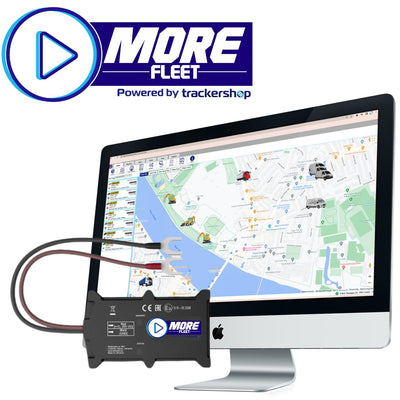
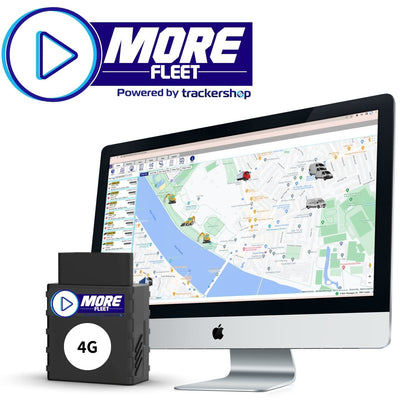
Not all digital systems are created equal. Look for a solution that aligns with the goals you defined in the first step. A robust platform should offer features like GPS vehicle tracking, real-time diagnostics, automated maintenance alerts, driver behaviour monitoring, and comprehensive reporting. It's crucial to select a system that is scalable and can grow with your business. Powerful fleet tracking is the core of any good digital management system, providing the foundational data for all other features.
Step 3: Plan the Implementation and Rollout
A phased rollout is often the most effective approach. Start with a small pilot group of vehicles and drivers. This allows you to test the system, gather feedback, and work out any issues on a smaller scale before deploying it across the entire fleet.
Your implementation plan should include:
• A clear timeline: Set realistic deadlines for each phase of the rollout.
• Hardware installation: Schedule the installation of GPS trackers and other required hardware with minimal disruption to your fleet's schedule.
• Software setup: Configure the platform to match your specific operational needs, including setting up geofences, maintenance schedules, and user permissions.
Step 4: Train Your Team Effectively
Your new system is only as good as the people using it. Comprehensive training is critical for user adoption. Provide hands-on training sessions for drivers, fleet managers, and administrative staff. Focus on how the new system makes their jobs easier, not harder.
Highlight benefits like automatic mileage logging for drivers and instant report generation for managers. Offer ongoing support and create simple user guides they can refer to. This investment in training will pay dividends in fleet efficiency and employee buy-in.
Step 5: Monitor, Analyse, and Optimise
Once your new digital system is live, the work isn't over. The real value comes from using the data it generates to make smarter decisions. Regularly review reports on fuel efficiency, driver behaviour, and vehicle health.
Use these insights to identify trends and areas for improvement. Are certain drivers consistently braking harshly? Are specific vehicles consuming more fuel than others? This data empowers you to have targeted conversations, implement better policies, and continuously optimise your fleet for peak performance.
Embrace a More Efficient Future
The move from paper logs to digital fleet management is more than just an upgrade it's a fundamental transformation of your business. It allows you to operate with greater precision, improve safety, and significantly reduce operational costs. By automating tedious administrative tasks, you free up your team to focus on strategic initiatives that drive growth and profitability.
Ready to leave the paperwork behind and unlock the full potential of your fleet? Discover how MoreFleet can provide the tools you need for a seamless transition. Explore our advanced fleet tracking solutions today and take the first step towards a smarter, more efficient operation.