Key Takeaways For Can My UK Employer Track My Company Car?
• Legal standing: Employers can legally track company cars in the UK, but strict data protection rules and privacy laws apply to every business.
• Absolute transparency: Consent and clear communication are mandatory, meaning covert tracking of employees is almost always illegal.
• Personal time: Tracking a vehicle outside of contracted working hours breaches employee privacy rights and must be avoided.
• Legitimate reasons: Businesses must prove a legitimate interest for monitoring, such as improving fleet efficiency or ensuring driver safety.
• Data rights: Employees have the legal right to access the location data collected by their company's vehicle monitoring systems.
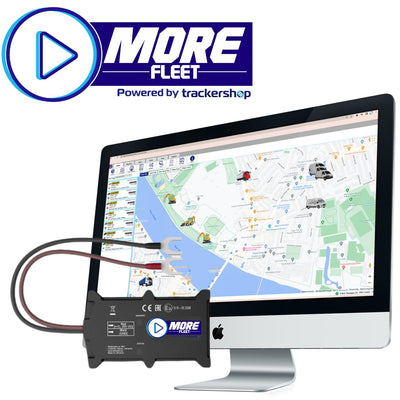
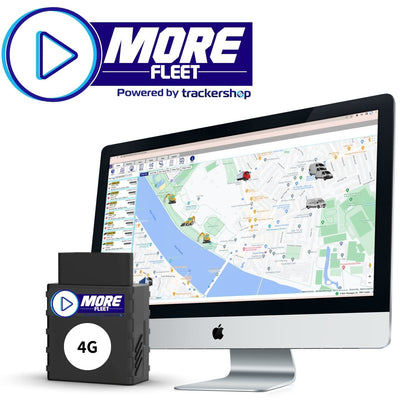
Yes, your UK employer can legally track your company car, but they must follow strict data protection laws to do so. They cannot simply monitor your every move without telling you. Employers must have a legitimate business reason, provide a clear written policy, and respect your right to privacy outside of working hours. If you are a business owner looking to monitor your fleet legally, efficiently, and transparently, you can explore a professional range of GPS Trackers to find the right solution today.

Understanding the Legal Framework
When a company installs tracking technology, they are collecting personal data. The Information Commissioner's Office (ICO) classes location data as personal information because it can identify an individual's movements. Therefore, employers must comply entirely with the General Data Protection Regulation (GDPR) and the Data Protection Act 2018.
To comply with these laws, a business must establish a "lawful basis" for processing this data. Usually, this falls under "legitimate interest". This means the employer must balance their need to monitor the vehicle against the employee's fundamental right to privacy.
The Need for Transparency
One of the most crucial rules regarding workplace monitoring is transparency. An employer must inform you if your vehicle contains a tracking device. Secretly tracking employees is highly unethical and illegal under UK law, except in extremely rare cases involving suspected serious criminal activity.
Your employer should provide a comprehensive privacy policy. This document needs to explain exactly what data the Car Trackers collect, why it is necessary, how long the company will keep it, and who has access to it.
Why Do Employers Use Car Trackers?
Businesses do not usually install monitoring systems just to spy on their staff. These devices serve several vital operational purposes. Understanding these reasons can help employees see the mutual benefits of the technology.
A primary reason is asset protection. Commercial vehicles represent a massive financial investment. If a company van or car is stolen, a tracking device is often the only way the police can recover it quickly. Furthermore, many commercial insurance policies now demand the installation of these devices to validate theft coverage.
Ensuring Driver Safety
Another major factor is the employer's duty of care. Companies are legally responsible for the health and safety of their staff while they are driving for work. Telematics data can highlight dangerous driving habits, such as harsh braking or excessive speeding. Management can then offer targeted training to keep their drivers safe on the road.
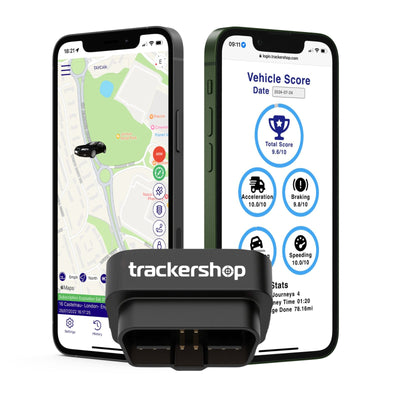
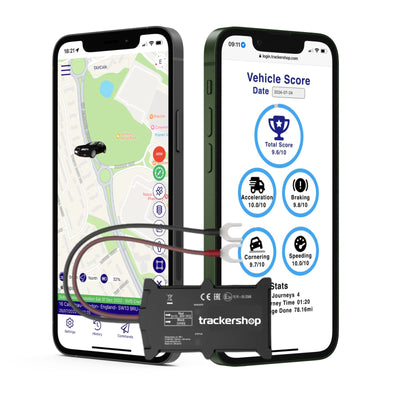
Integrating reliable telematics into a business is about much more than just keeping tabs on staff. It protects valuable assets from theft, streamlines daily operations, and ensures everyone gets home safely. When companies use advanced Car Trackers, they can dispatch the closest vehicle to a job, saving time and reducing fuel consumption. To see how these systems can benefit your own operations while remaining fully compliant, take a look at these advanced GPS Trackers and upgrade your fleet management.
Tracking Outside of Working Hours
The most contentious issue surrounding company vehicles is what happens when the working day ends. Many employees are permitted to use their company car for personal errands, weekend trips, and commuting.
During these private hours, an employer has no legal right to monitor your location. Doing so is a direct breach of Article 8 of the Human Rights Act, which protects your right to a private and family life. Your weekend movements are entirely your own business.
The Privacy Switch Solution
To solve this problem, modern tracking systems feature a privacy switch or a private mode. This is often a physical button on the dashboard or a setting within a smartphone app.
When you finish work, you activate the privacy switch. The system immediately stops recording your location data. While the device might still monitor the vehicle's mileage for tax purposes, your exact routes and destinations remain completely hidden from your employer.
What Should Your Employer's Policy Include?
If you drive a company vehicle, you should familiarise yourself with the company's vehicle tracking policy. A fair and legally compliant policy leaves no room for confusion. It protects both the business and the driver.
The policy must clearly state the working hours during which tracking is active. It should detail how you can engage the privacy mode for personal journeys. Furthermore, it must explain how the data will be used. For example, will the data be used in disciplinary proceedings if you are caught speeding?
Your Right to Access Data
Under GDPR, you have the right to submit a Subject Access Request (SAR) to your employer. This means you can ask to see all the location data they have collected about you. The company must provide this information within one month, usually free of charge.
Knowing your rights helps you maintain a healthy, professional relationship with your employer. If you feel your privacy is being breached, you should first speak to your HR department or union representative to resolve the issue internally.
Conclusion: Balancing Security and Privacy
The use of tracking technology in company vehicles is a standard practice in the modern business landscape. It provides undeniable benefits for logistics, asset security, and driver safety. However, this technology must always be deployed with strict adherence to data protection laws and a deep respect for personal privacy.
Navigating the rules around vehicle monitoring does not have to be a stressful experience for staff or management. By maintaining open communication, using privacy switches, and establishing clear written policies, businesses can enjoy the security benefits of telematics without infringing on personal privacy. If you want to implement a fair, legal, and highly effective monitoring system for your business vehicles, discover our top-rated GPS Trackers and secure your fleet the right way.