Key Takeaways Real-Time GPS Tracker vs Passive Logger
• Real-time GPS Trackers send live location data to an app or platform, while passive loggers store journey data for later review.
• Car Trackers with real-time reporting are better for theft recovery, fleet visibility, and instant alerts.
• Passive loggers can suit simple record-keeping, but they do not offer live tracking or rapid response.
• The best option depends on your goal, budget, and how quickly you need location updates.
• For most drivers and businesses, real-time GPS Trackers offer stronger security, more control, and better peace of mind.
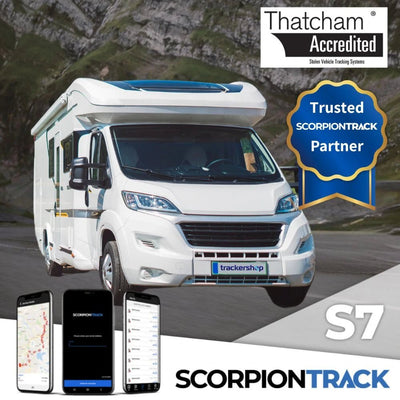
If you are comparing real-time GPS Trackers with passive loggers, the main difference is simple: a real-time device tells you where a vehicle is now, while a passive logger tells you where it has been after you retrieve the data. That makes real-time systems the stronger choice for security, theft recovery, and day-to-day monitoring, while passive loggers are better suited to basic route records and low-priority tracking. If you want to explore practical options for live vehicle monitoring, browse these professional GPS Trackers and choose a system that matches your needs.
What Is a Real-Time GPS Tracker?
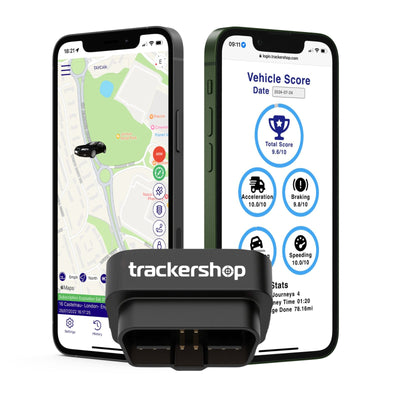
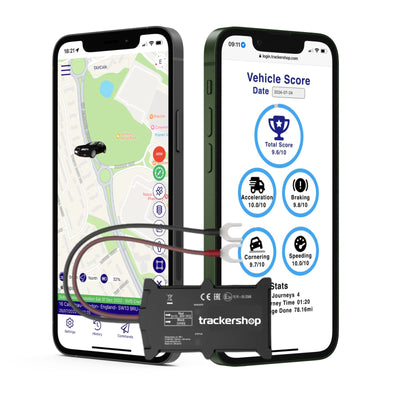
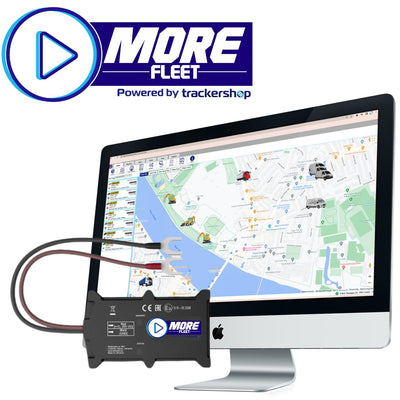
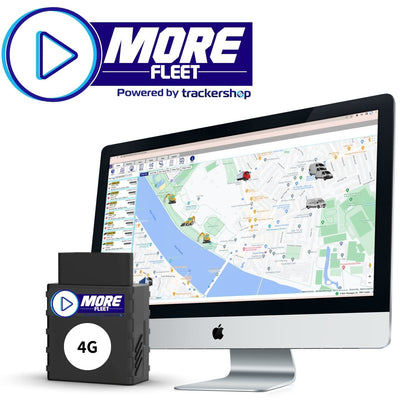
A real-time tracker uses satellite positioning to calculate location and then sends that data through a mobile network to an app, dashboard, or tracking platform. You can log in and see where the vehicle is at that moment, often with updates every few seconds or minutes.
This is why real-time Car Trackers are popular with private owners, fleet managers, and businesses. They do more than record journeys. They give live visibility.
Most real-time GPS Trackers also include extra features such as:
• live location updates
• route history
• geofencing alerts
• movement alerts
• tamper alerts
• speed monitoring
• ignition status
• battery warnings
These features make the device useful not just for tracking, but also for security and operations.
What Is a Passive Logger?
A passive logger also uses GPS to record location data, but it does not send that data live. Instead, it stores the information on internal memory. To view the route, you usually need to remove the device and connect it to a computer or upload the stored data in another way.
This means passive loggers can still show where a vehicle travelled, how fast it moved, and when it stopped. What they cannot do is alert you while the journey is happening.
That is the key limitation. If a vehicle is stolen, delayed, or taken off route, a passive logger will not tell you in real time. You only see the information afterwards.
How the Technology Differs
Both devices rely on satellite signals to work out position. The major difference is communication.
Real-time trackers send data
Real-time GPS Trackers combine GPS location with a SIM-based mobile data connection. Once the tracker knows its position, it sends that information to a cloud platform or app. That is what allows live monitoring.
Because they send data regularly, real-time Car Trackers usually require a subscription or SIM service. That fee often covers the data connection, app access, server hosting, and support.
Passive loggers store data
Passive loggers do not need to transmit live data. They simply record the route inside the device. This can reduce running costs, but it also strips away live visibility.
For some users, that trade-off is fine. For many others, especially those focused on vehicle protection, it is a serious drawback.
Real-Time GPS Trackers: Main Benefits
Real-time tracking is often the better fit when speed matters. If you need to know where a vehicle is right now, there is no real substitute.
Better theft recovery
If a car, van, motorbike, or asset is stolen, time matters. A live system lets you see movement as it happens. That can improve the chance of acting quickly and helping recovery efforts.
This is one reason real-time Car Trackers are widely used for security. You are not left waiting until the device is recovered to learn where the vehicle went.
Instant alerts
Many real-time GPS Trackers can warn you when something changes. You can receive alerts when a vehicle moves, leaves a set area, exceeds a speed threshold, or is tampered with.
That turns tracking into an active system rather than a passive record.
Better for families and businesses
If you manage a fleet, share a family vehicle, monitor a teenage driver, or protect a company van, live visibility is useful every day. You can respond faster, manage routes better, and reduce uncertainty.
In the middle of your decision process, it helps to compare trusted Car Trackers so you can see which features matter most for your car, van, or business vehicle.
Passive Loggers: Main Benefits
Passive loggers are more limited, but they still have uses.
Lower ongoing costs
Because they do not need to send data over a mobile network, passive loggers often avoid monthly fees. For buyers focused only on upfront cost, that can be appealing.
Useful for route review
If your goal is simply to review where a vehicle went after a trip, a passive logger may be enough. This can suit research, mileage review, occasional route analysis, or hobby use.
Simple use in low-risk cases
A passive logger can work well where live alerts are not important. If the asset is low value and there is no urgent need for response, it may do the job.
Still, low running cost does not mean high value in every case. If the device cannot warn you when something is wrong, that limit may outweigh the savings.
Which Is Better for Vehicle Security?
For vehicle security, real-time tracking is clearly stronger.
If a vehicle leaves your driveway at night, a real-time device can alert you at once. You can check the app, confirm movement, and respond. A passive logger cannot do any of that while the event is happening.
That is why real-time Car Trackers are usually the better choice for:
• theft prevention
• stolen vehicle recovery
• monitoring high-value vehicles
• protecting vans and commercial fleets
• securing caravans, trailers, and motorhomes
A passive logger may help show where the vehicle went after the fact, but by then the opportunity to act quickly may be gone.
Which Is Better for Fleet Management?
For fleet use, real-time tracking usually wins by a wide margin.
Businesses often need to know:
• where vehicles are now
• whether drivers are on route
• when vans arrive on site
• whether vehicles stop unexpectedly
• how efficiently assets are being used
Real-time GPS Trackers support these needs because they provide current data, not just old records.
A passive logger can show journey history, but it cannot help dispatch the nearest van to a job or warn a manager when a vehicle enters or leaves a site. For active operations, that gap matters.
Which Is Better for Privacy and Simplicity?
There are cases where a passive logger may appeal more.
Some users do not want constant live tracking. They may only need a simple record of travel without ongoing alerts, dashboards, or subscriptions. In those cases, a passive logger feels more straightforward.
It can also suit temporary projects where the data is only needed later for analysis. If there is no operational or security need for live visibility, the simpler device may be enough.
That said, many modern GPS Trackers allow flexible settings, so live systems are not always intrusive. The difference often comes down to how much information you need and how quickly you need it.
Common Use Cases
When real-time GPS Trackers make more sense
Real-time GPS Trackers and Car Trackers are usually best for:
• private vehicle security
• company fleets
• delivery vans
• school run monitoring
• teenage driver oversight
• elderly driver reassurance
• plant and asset tracking
• caravan and trailer protection
When a passive logger may be enough
Passive loggers may suit:
• occasional route recording
• mileage checks
• low-value asset review
• research or testing
• basic journey history without live alerts
The right option depends on the consequences of delay. If waiting until later is acceptable, passive can work. If delay creates risk, real time is better.
Cost Comparison: Upfront vs Long-Term Value
Passive loggers often look cheaper because they may have no monthly service cost. Real-time systems usually cost more over time because they rely on data networks and software platforms.
But cost should not be judged on purchase price alone.
A real-time tracker often includes:
• app or platform access
• SIM data
• alert features
• cloud storage
• software updates
• support
That added service is part of the value. If live protection prevents one theft or saves one wasted working day, it can easily justify the extra cost.
For many users, the better question is not “Which is cheapest?” but “Which solves the real problem?”
What Should You Choose?
If you need live visibility, fast alerts, or vehicle protection, choose real-time Car Trackers. They are built for active tracking and practical response.
If you only need a record of where a vehicle travelled and you are happy to check the data afterwards, a passive logger may be enough.
A simple way to decide is to ask:
Do you need to know where the vehicle is now?
If yes, choose real-time GPS Trackers.
Do you need alerts if something changes?
If yes, choose real-time Car Trackers.
Are you only reviewing journey history later?
If yes, a passive logger might be suitable.
Final Thoughts
The choice between a real-time tracker and a passive logger comes down to timing. Both can collect location data, but only one gives you the chance to act while events are unfolding. Real-time GPS Trackers are stronger for security, convenience, and everyday control, while passive loggers are more limited and best for simple historical review.
For most drivers, families, and businesses, real-time Car Trackers offer better overall value because they do more than record movement. They help you respond, protect, and manage vehicles with confidence. If you are ready to compare reliable live-tracking options, explore these professional GPS Trackers and find the right solution today.