Key Takeaway How to Reduce Vehicle Wear with Fleet Tracking Data
• Fleet tracking data helps reduce vehicle wear by showing how vehicles are driven, where inefficiencies happen, and when maintenance is due.
• Driver behaviour data, such as harsh braking, speeding, and rapid acceleration, can reveal habits that increase strain on tyres, brakes, engines, and suspension.
• Route optimisation cuts unnecessary mileage, idling, and stop-start driving, which lowers wear and tear across the fleet.
• Maintenance scheduling based on live vehicle data helps prevent small issues from becoming costly repairs or downtime.
• A connected platform like MoreFleet gives fleet managers the insight needed to protect vehicles, improve efficiency, and reduce running costs.
Fleet tracking data helps reduce vehicle wear by monitoring driver behaviour, optimising routes, and improving maintenance scheduling before faults become expensive problems. Instead of relying on guesswork, fleet managers can use live telematics insights to spot harsh driving, cut wasted mileage, reduce idling, and service vehicles at the right time. That means less strain on parts, fewer breakdowns, and lower repair bills. If you want a practical way to protect your vehicles and improve fleet performance, explore MoreFleet’s fleet tracking solutions and see how better data can support smarter decisions.
Why Vehicle Wear Matters More Than Many Fleets Realise
Vehicle wear is not just a maintenance issue. It is a direct cost driver that affects fuel use, downtime, safety, resale value, and customer service. When a van, lorry, or company car wears out faster than expected, the business pays in several ways at once.
Tyres may need replacing sooner. Brake components wear down more quickly. Suspensions take more punishment. Engines work harder under poor driving conditions. Over time, these small issues add up to major cost pressure.
For UK fleets, this matters even more when margins are tight. A single unexpected repair can disrupt schedules, delay jobs, and force the use of backup vehicles or short-term hires. If several vehicles are affected by the same poor habits, the cost grows fast. Fleet tracking makes these hidden problems visible.
What Fleet Tracking Data Actually Shows
Modern fleet tracking does far more than display vehicle location on a map. A strong telematics platform gives you a clear picture of how each vehicle is being used and how that use affects long-term condition.
Driver behaviour data
One of the biggest causes of excess vehicle wear is poor driving style. Fleet tracking systems can record events such as:
• Harsh braking
• Rapid acceleration
• Speeding
• Sharp cornering
• Excessive idling
• Over-revving in some vehicle setups
Each of these actions puts stress on mechanical parts. Harsh braking increases brake wear and tyre wear. Rapid acceleration can strain the engine and drivetrain. Sharp cornering affects tyres and suspension. When these behaviours happen every day, vehicle condition declines much faster.
Route and mileage data
Mileage is an obvious factor in wear, but it is not only about distance. The type of route matters too. Stop-start urban traffic, poor route planning, and congestion create more wear than smoother, more efficient journeys.
Fleet tracking helps managers compare planned routes with actual routes. It can show:
• Unnecessary detours
• Time spent in traffic
• Repeated low-efficiency journeys
• Excessive engine idling
• Uneven vehicle use across the fleet
This information helps reduce unnecessary strain and spread usage more evenly.
Maintenance and diagnostics data
Many fleet tracking platforms also support maintenance scheduling and vehicle health monitoring. This gives managers better control over servicing, inspections, and repairs.
Rather than waiting for a fault to become serious, operators can use mileage, engine hours, and service intervals to act early. That is one of the simplest ways to reduce vehicle wear across a busy fleet.
How Driver Behaviour Increases Vehicle Wear
Driver behaviour is one of the most controllable causes of fleet wear and tear. It is also one of the easiest to improve when managers have clear data.
Harsh braking
Frequent harsh braking wears brake pads and discs much faster. It also increases tyre wear, especially when vehicles are heavily loaded. In some cases, repeated heavy braking can raise heat levels and increase the risk of component damage.
Tracking harsh braking events helps fleet managers identify patterns. If one driver records far more incidents than others on similar routes, coaching can be targeted where it will have the biggest effect.
Rapid acceleration
Rapid pull-aways increase fuel use and place extra pressure on the engine, clutch, gearbox, and tyres. Over time, that style of driving shortens component life and increases maintenance costs.
With fleet tracking data, managers can measure acceleration trends and support smoother driving habits. Even small improvements across a fleet can reduce wear and improve fuel economy at the same time.
Speeding
Speeding is not only a safety risk. It also causes more wear across several systems. Higher speeds can increase tyre degradation, place added strain on brakes, and make suspension work harder on poor road surfaces.
Monitoring speeding through fleet tracking gives managers a chance to reduce both accident risk and avoidable wear. It also supports a stronger driver behaviour programme overall.
Idling and poor vehicle use
Excessive idling may seem harmless, but it contributes to engine wear while delivering no useful mileage. It also wastes fuel and increases emissions. For diesel fleets in particular, repeated idling can create avoidable maintenance concerns over time.
Reducing idle time is often one of the quickest wins in any vehicle wear strategy.
Route Optimisation Reduces Wear and Tear
Better routes lead to healthier vehicles. That is one of the clearest links between fleet tracking and lower wear.
A poorly planned route creates more miles, more traffic exposure, more stop-start motion, and more pressure on the vehicle. A better route reduces all of that.
Less unnecessary mileage
Every extra mile adds some level of wear. If drivers take indirect routes, repeat journeys, or spend too much time searching for locations, those miles add up quickly.
Fleet tracking makes route waste easier to spot. Managers can then adjust planning, improve job allocation, or use route optimisation tools to cut unnecessary travel.
Reduced time in traffic
Heavy traffic is especially hard on vehicles. Constant braking, clutch use, gear changes, and low-speed acceleration increase wear on core components. By using traffic-aware routing and historical journey analysis, fleets can avoid some of the most damaging driving conditions.
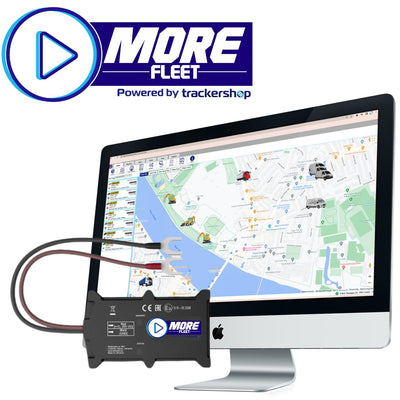
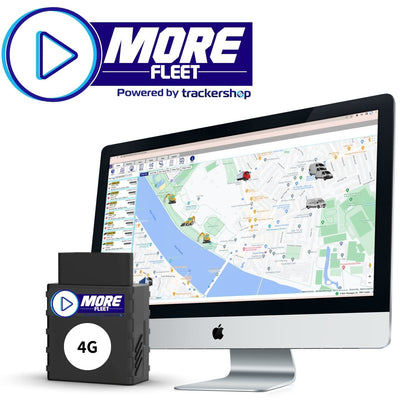
In the middle of your fleet strategy, this is where the value of a dedicated platform becomes clear. Tools like MoreFleet help businesses use fleet tracking data to improve route efficiency, reduce stress on vehicles, and make maintenance scheduling more accurate. If you want to cut waste and protect vehicle condition, it is worth reviewing how your current system supports these decisions.
Smarter vehicle allocation
Not every vehicle should carry the same workload all the time. If a few vehicles are overused while others are underused, wear becomes uneven. That can lead to more downtime for certain assets and poor return on investment across the fleet.
Fleet tracking helps managers balance workloads more fairly by showing real usage patterns. This leads to a more controlled maintenance schedule and more consistent vehicle life cycles.
Maintenance Scheduling Is Key to Reducing Vehicle Wear
Maintenance scheduling is one of the most direct ways to reduce vehicle wear. The challenge is timing. Service too late and you risk breakdowns. Service too early and you may increase costs without need. Fleet tracking data helps find the right balance.
Move from reactive to proactive maintenance
Reactive maintenance is expensive. If a vehicle is only checked after a fault appears, there is a higher chance that damage has already spread. A worn brake pad can become a damaged disc. A tyre issue can affect alignment. A minor engine problem can turn into major downtime.
With fleet tracking and telematics data, managers can base maintenance scheduling on:
• Mileage
• Engine hours
• Usage intensity
• Driver reports
• Vehicle diagnostics where available
That approach gives fleets more control and reduces long-term wear.
Build schedules around real use
Two vehicles bought on the same day may not need service at the same time. One may operate in city traffic every day. Another may cover longer motorway miles under lighter strain. Fixed calendar schedules can miss those differences.
Usage-based maintenance scheduling is more precise. It reflects how vehicles are actually used, which helps protect components and reduce waste.
Improve inspection follow-up
Daily walkaround checks and defect reporting are useful, but only if the information leads to action. Fleet platforms can help centralise records so that defects, service dates, and inspection reminders are not lost in paper files or spreadsheets.
This improves compliance and helps prevent small wear issues from being ignored.
Turning Data Into Action Across the Fleet
Collecting data is not enough on its own. The real benefit comes from using it consistently.
Set driver behaviour benchmarks
Use fleet tracking reports to create clear standards for speeding, braking, idling, and acceleration. Then review trends by driver, team, depot, or vehicle type. This makes coaching more objective and more effective.
Use dashboards for maintenance planning
A good dashboard should show which vehicles are approaching service intervals, which assets have repeated issues, and where wear-related costs are rising. This helps fleet managers act before downtime becomes disruptive.
Reward better driving
Driver behaviour improves faster when feedback is fair and constructive. Some fleets use scorecards, coaching sessions, or reward schemes to encourage smoother driving. This not only improves safety but also helps reduce vehicle wear over time.
Review data regularly
Weekly or monthly reviews can reveal trends that are easy to miss day to day. Look for:
• Vehicles with rising maintenance costs
• Drivers with repeated harsh events
• Routes with high idling or congestion
• Assets with uneven utilisation
These reviews turn telematics into a management tool rather than just a tracking tool.
The Wider Benefits of Reducing Vehicle Wear
Reducing vehicle wear has effects far beyond the workshop.
Lower wear usually means:
• Fewer unexpected repairs
• Better fuel efficiency
• Longer asset life
• Improved road safety
• Stronger resale values
• More predictable running costs
• Less downtime and disruption
For many fleet operators, these gains matter just as much as direct repair savings. Vehicles that stay in better condition are easier to manage, easier to schedule, and less likely to let customers down.
There is also an environmental benefit. Vehicles that are driven more smoothly and maintained on time often use less fuel and produce fewer avoidable emissions. That supports both cost control and wider sustainability goals.
Conclusion
If you want to reduce vehicle wear, fleet tracking data gives you a practical and measurable way to do it. It helps you identify damaging driver behaviour, improve route planning, cut unnecessary mileage, and manage maintenance scheduling before faults become costly problems.
The best results come when fleet managers treat telematics as an everyday decision-making tool. With the right data, you can protect your vehicles, lower repair bills, improve driver behaviour, and keep more of your fleet on the road.
Ready to reduce vehicle wear and get more value from every asset? Take a closer look at MoreFleet’s fleet tracking platform and see how smarter data can help you extend vehicle life, improve maintenance planning, and run a more efficient fleet.