Key Takeaways Can Thieves Find a Hidden Tracker With a Detector?
• Yes, thieves can sometimes find a hidden tracker with an RF detector, but only while the tracker is actively transmitting, and only if they have the time to sweep the vehicle properly.
• Most professional thieves rely on GPS jammers rather than detectors, as jamming is faster than searching.
• Trackers with jamming detection, motion-triggered reporting, backup batteries and professional installation are far harder to defeat.
• Thatcham-approved trackers with 24/7 monitoring add a human response layer that a detector cannot switch off.
• Combining a tracker with an immobiliser gives you the strongest protection, as thieves must beat two separate systems.
Yes, thieves can find a hidden tracker using an RF (radio frequency) detector, but it is far from guaranteed. A detector can only pick up a tracker while it is transmitting data over the mobile network, and many modern car trackers transmit in short bursts, sleep when the vehicle is stationary and are fitted deep within the vehicle's wiring. In practice, a well-installed tracker is difficult to locate quickly, and speed is exactly what a thief needs. Choosing the right GPS trackers and having them fitted correctly makes the difference between a tracker that gets found and one that gets your vehicle back.
How Do Tracker Detectors Work?
A tracker detector, often called a bug detector or RF sweeper, scans for radio signals. GPS trackers receive satellite signals passively, which cannot be detected, but they send their location back over the GSM or 4G network. It is this outgoing transmission that a detector picks up.
When a detector is brought close to an active tracker, it alerts the user through a sound, light or signal strength meter. The closer the detector gets, the stronger the reading, allowing someone to narrow down the location.
Why Detectors Are Not as Effective as Thieves Hope
Detectors have clear limitations that work in the vehicle owner's favour.
Trackers do not transmit constantly. Many devices report at set intervals or only when movement is detected. If the tracker is silent during a sweep, the detector shows nothing.
Vehicles are full of signals. Modern cars contain Bluetooth, keyless entry systems, infotainment modules and factory telematics. These all create noise that makes it harder to isolate an aftermarket tracker.
Professional installation hides devices deep. A hardwired tracker fitted behind trim panels, within the dashboard or inside wiring looms can take a long time to reach even once its rough location is known.
Time is the thief's enemy. Most vehicle thefts happen in minutes. Spending 20 or 30 minutes sweeping and dismantling a car increases the risk of being caught considerably.
Do Thieves Use Jammers Instead?
Increasingly, yes. Organised criminals often use GPS and GSM jammers to block a tracker's signal rather than hunting for it. A jammer floods the relevant frequencies so the tracker cannot report its position.
This is why jamming detection matters so much. Quality car trackers can recognise when their signal is being interfered with and log or send an alert as soon as interference begins, or the moment the jammer is switched off. Some systems also store location data during the outage and transmit it once a connection is restored. Thatcham-approved trackers with monitoring centres can treat a jamming event as a warning sign and begin investigating straight away.
What Makes a Tracker Harder to Find or Defeat?
If you want a tracker that stands up to detectors and jammers, look for the following features.
Motion-activated reporting. The tracker stays quiet while the vehicle is parked, giving a detector nothing to find.
Jamming and tamper alerts. You are notified if someone tries to block the signal, disconnect the power or remove the unit.
Backup battery. If thieves cut the vehicle's power, the tracker keeps working.
Professional hardwired installation. An experienced installer will fit the device somewhere unpredictable and hard to access, rather than an obvious spot such as the OBD port.
Thatcham approval and 24/7 monitoring. Insurance-approved systems connect to a secure operating centre that works with police to recover stolen vehicles, so your protection does not rely on you checking an app.
Driver recognition tags. Some systems require an ID tag to be present when the vehicle is used, triggering an alert if it moves without one.
Should You Rely on a Tracker Alone?
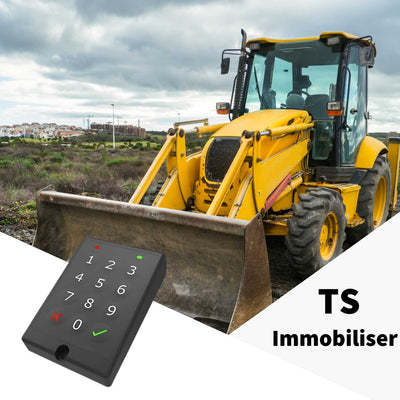
A tracker is designed to help recover your vehicle after it has been taken. To stop the theft happening in the first place, pair it with a physical or electronic deterrent. A CAN bus immobiliser, such as the Autowatch Ghost II, prevents the engine from starting without a unique code, even if the thief has a cloned key. Steering wheel locks and visible deterrents add another layer.
The more layers a thief has to overcome, the more likely they are to give up and move on.
Hardwired vs Battery-Powered GPS Trackers: Which Is Harder to Detect?
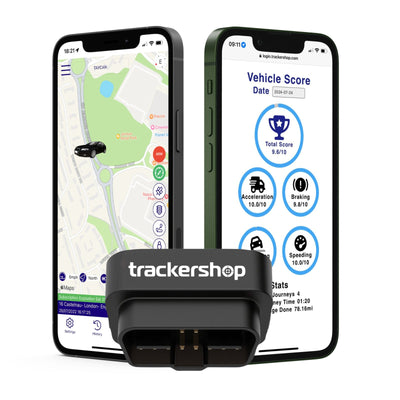
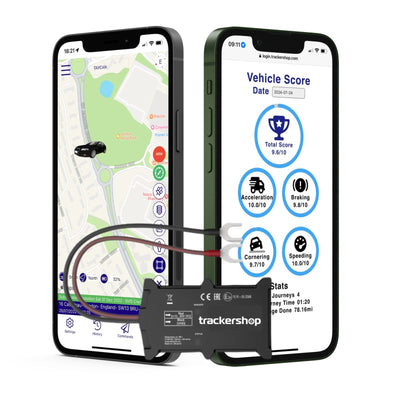
Both can be effective, but they suit different needs. Hardwired trackers are fitted permanently into the vehicle's electrical system, are usually concealed more thoroughly and often carry Thatcham approval. Battery-powered GPS trackers are portable and can be hidden in unusual places, and because many only transmit occasionally to preserve battery life, they can be very difficult for a detector to catch. For high-value vehicles, a hardwired monitored tracker is generally the stronger choice, with a battery-powered unit as a useful secondary backup.
Frequently Asked Questions
Can a phone detect a GPS tracker?
A standard phone cannot reliably detect a hardwired GSM tracker. Phones can sometimes flag Bluetooth tags such as AirTags, but they are not designed to sweep for cellular trackers.
Where do thieves look for trackers first?
Thieves typically check the OBD port, under the dashboard, behind bumpers, inside wheel arches and under seats. Professional installers avoid these predictable locations.
Can thieves remove a tracker without me knowing?
With a good system, no. Tamper and power disconnection alerts notify you or the monitoring centre the moment the tracker is interfered with.
Do trackers reduce car insurance?
Many insurers offer discounts or require a Thatcham-approved tracker for high-value or high-risk vehicles. It is worth checking with your provider.
Is it worth having two trackers?
For valuable vehicles, yes. If a thief finds and disables one device, the second can still report the vehicle's location.
Protect Your Vehicle With the Right Tracker
Thieves can find a hidden tracker with a detector, but only if the tracker is transmitting, poorly hidden and the thief has plenty of time. Choosing a device with motion-triggered reporting, jamming alerts, a backup battery and professional installation tips the odds firmly in your favour. Browse our range of car trackers for Thatcham-approved and insurance-approved options, or explore our full selection of GPS trackers for portable and battery-powered devices to protect your vehicle, van or valuables.